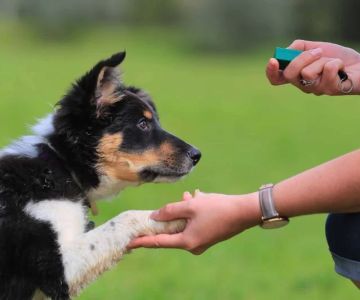
Training a Senior Dog: Is It Too Late? Expert Tips That Could Save Your Pet's Life
- Is It Too Late to Train a Senior Dog?
- Benefits of Training Senior Dogs
- Understanding Senior Dog Needs
- Using Positive Reinforcement for Senior Dogs
- Overcoming Training Challenges in Older Dogs
- Real-Life Success Stories of Senior Dog Training
- Best Products for Training Senior Dogs
1. Is It Too Late to Train a Senior Dog?
It’s a common misconception that older dogs are set in their ways and can’t be trained. In reality, senior dogs are fully capable of learning new behaviors, and training them can have a positive impact on their overall well-being. While it may take more patience and time compared to training a puppy, senior dogs can still respond well to positive reinforcement and behavioral modifications.

AZ, 12020 S Warner Elliot Loop # 101, Phoenix, AZ 85044, USA
See DetailsWhy Training Matters for Senior Dogs
Training a senior dog is not just about teaching them commands—it’s about improving their quality of life. Training provides mental stimulation, strengthens the bond between you and your dog, and helps manage age-related behavioral issues. It’s never too late to improve your dog’s habits, communication, and mental health.
2. Benefits of Training Senior Dogs
Training offers numerous benefits for senior dogs, both physically and emotionally. By engaging your dog in mental exercises, you’re providing a source of enrichment that can help stave off cognitive decline and keep them active and alert.
Improved Behavior and Socialization
Senior dogs, especially those adopted later in life, may have developed undesirable behaviors such as jumping, excessive barking, or separation anxiety. Training helps reduce these behaviors by offering structure and consistent reinforcement. It also improves their socialization skills, allowing them to interact better with people and other animals.
Enhanced Cognitive Function
As dogs age, they may experience cognitive decline, similar to human dementia. Regular training helps keep their brain sharp and stimulated, reducing the risk of cognitive dysfunction syndrome (CDS). Mental exercises like learning new commands or tricks can delay the onset of CDS and keep your dog mentally engaged.
Stronger Bond with Your Dog
Training is a great way to strengthen the bond between you and your senior dog. Through positive reinforcement and shared activities, your dog will feel more secure and confident. This deeper connection fosters trust, making it easier for both you and your dog to communicate and understand each other.
3. Understanding Senior Dog Needs
Before you start training your senior dog, it’s important to understand their physical and mental needs. Older dogs may have specific challenges, such as arthritis or hearing loss, that can impact their ability to learn. Being aware of these needs ensures that training sessions are tailored to their abilities and comfort level.
Physical Limitations
As dogs age, they may experience joint stiffness, arthritis, or general decreased mobility. Be mindful of your dog’s physical limitations during training. Avoid exercises that put too much strain on their joints and use soft mats or comfortable spaces for practice. Keep training sessions short to prevent fatigue and discomfort.
Hearing or Vision Loss
Some senior dogs may develop hearing or vision impairments, making verbal cues or hand signals difficult to follow. If your dog has hearing loss, consider using visual signals or vibration-based training tools. For dogs with vision loss, make sure they can detect your presence through scents, sounds, and tactile cues.
4. Using Positive Reinforcement for Senior Dogs
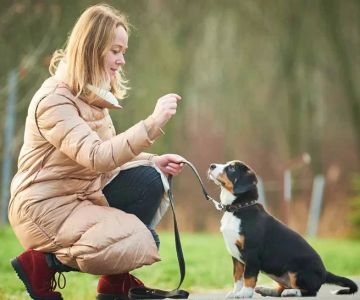
Positive reinforcement is the best training method for senior dogs. By rewarding them with treats, praise, or toys for performing the desired behavior, you encourage them to repeat the action. This method works well for all ages, but it’s especially effective for senior dogs, as it focuses on positive experiences rather than correction or punishment.
Rewarding Desired Behaviors
For senior dogs, rewards should be motivating and easy to access. Soft treats or toys they enjoy are perfect rewards. Ensure that the timing of the reward is immediate so that your dog connects the action with the reward. Over time, you can reduce the frequency of rewards, but always provide praise and affection.
Be Patient with Progress
Senior dogs may need more time to master new commands or behaviors. Patience is essential during training. Keep training sessions short and break tasks into manageable steps to avoid overwhelming your dog.
5. Overcoming Training Challenges in Older Dogs
Training a senior dog may come with its own set of challenges, but with the right approach, these can be overcome. Here are some common obstacles and how to handle them:
Resistance to New Behaviors
Older dogs may be less willing to adapt to new training methods, especially if they have been set in their ways for years. It’s important to keep sessions consistent and keep reinforcing positive behavior. If your dog resists, go back to basics and break the task into smaller, simpler steps.
Health Concerns Affecting Training
Health issues, such as arthritis, can make training physically difficult. Adapt training to suit your dog’s abilities. For example, if your dog struggles with mobility, avoid standing or walking exercises and focus on less physically demanding commands like “sit” or “down.”
6. Real-Life Success Stories of Senior Dog Training
Training a senior dog may seem daunting, but countless pet owners have seen great success in teaching their older dogs new tricks and commands. Here are a few inspiring stories:
Case Study: Max the 8-Year-Old Golden Retriever
Max, an 8-year-old Golden Retriever, was struggling with separation anxiety when his owner, Sarah, decided to start training him. By using positive reinforcement and gradually increasing the time Max spent alone, Sarah helped him become more independent and less anxious. Now, Max enjoys playing on his own and is much more relaxed during Sarah’s absences.
Case Study: Daisy the 10-Year-Old Cocker Spaniel
Daisy, a 10-year-old Cocker Spaniel, was having trouble with mobility due to arthritis. Her owner, John, used gentle training exercises and reward-based methods to teach her how to stay calm and adjust her movements. Despite her age and physical limitations, Daisy has improved her confidence and mobility with training tailored to her needs.
7. Best Products for Training Senior Dogs
There are several products designed to make training senior dogs easier and more effective. Here are a few recommendations to help you get started:
Comfortable Training Mats
Training mats provide a comfortable surface for your dog to practice on. These mats are perfect for senior dogs with joint pain, offering a soft, non-slip surface that prevents discomfort during training sessions.
Interactive Toys and Puzzle Games
Interactive toys and puzzle games are excellent tools for engaging your dog mentally. These toys encourage problem-solving and keep your senior dog’s brain active, providing essential cognitive stimulation that can delay age-related mental decline.
At Hidden Brook Veterinary, we offer a variety of products specifically designed for senior dog care and training. Whether you need comfort products or brain games, visit our website for the best options for your senior dog!