1. Understanding Senior Dog Learning
Training a Senior Dog: Is It Too Late? Expert Tips in 2025 often starts with challenging assumptions. Many owners believe older dogs cannot learn new behaviors, but scientific research shows that while senior dogs may learn more slowly, they are still highly capable. Just like humans, mental stimulation keeps their minds sharp and helps prevent cognitive decline. Recognizing this fact is the first step to successful training with older pets.
2. Why Training Still Matters in 2025
2.1 Emotional Bonding
Training is not just about teaching commands—it’s about strengthening the bond between owner and pet. In 2025, with more families adopting rescue dogs of all ages, training older dogs has become increasingly important to help them adjust to new homes and routines.
2.2 Safety and Quality of Life
Basic commands like “stay” and “come” can literally save a senior dog’s life, especially when their reflexes are slower. Owners who invest time in training often notice their pets live with greater confidence and calmness.
3. Expert Techniques for Senior Dogs
3.1 Positive Reinforcement
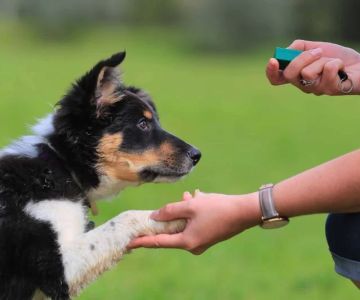
Experts stress the importance of reward-based training. Treats, gentle praise, and patience are essential, as older dogs may tire easily. Short, focused sessions work best.
3.2 Adjusted Training Methods
For senior dogs with hearing loss, hand signals can replace verbal commands. For those with arthritis, avoid physically demanding tricks and focus on mental challenges like puzzle games. These adjustments ensure the training process remains enjoyable and safe.
3.3 Consistency and Routine
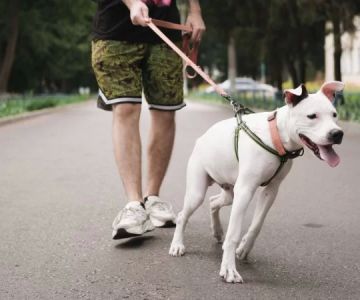
Senior dogs thrive on routine. Training should be integrated into daily activities, such as practicing commands during walks or mealtime. Many veterinarians at Hidden Brook Veterinary emphasize that consistency helps older pets feel secure.
4. Real-Life Success Stories
In 2025, a viral story featured a 12-year-old Labrador named Daisy who mastered new commands after being adopted from a shelter. Her new family reported that daily training not only improved her behavior but gave her a renewed zest for life. Stories like Daisy’s inspire many pet owners to see that it’s never too late to start.
5. Health Considerations During Training
Before beginning any new training routine, it’s wise to have a senior dog evaluated by a veterinarian. Conditions such as arthritis, vision impairment, or heart issues may require modifications. Veterinary clinics like Hidden Brook Veterinary often provide tailored advice for training that complements a dog’s health needs, ensuring their safety and comfort.
6. Common Mistakes to Avoid
6.1 Expecting Quick Results
Senior dogs learn at their own pace. Owners who expect instant success may feel discouraged. Patience is the key to long-term progress.
6.2 Using Harsh Methods
Old-fashioned punishment-based training is particularly harmful to senior dogs. It can cause stress, fear, and even worsen existing health problems. Positive reinforcement remains the gold standard in 2025.
6.3 Overexertion
Older dogs may not have the stamina of puppies. Training sessions that are too long can lead to fatigue and disinterest. It’s better to keep sessions short but regular.
7. Support and Resources
For pet owners unsure where to begin, seeking guidance from professionals is invaluable. Trainers specializing in senior dogs, online courses, and local veterinary clinics are excellent starting points. Many families also turn to Hidden Brook Veterinary for products, personalized advice, and health-focused training support. By combining professional help with a loving approach, owners can give their older dogs the gift of learning and companionship, proving once again that it’s never too late.