- training-a-senior-dog-can-older-dogs-still-learn
- why-training-matters-for-senior-dogs
- expert-tips-for-successful-senior-dog-training
- real-life-examples-of-senior-dogs-learning
- what-it-means-to-train-an-older-dog
- professional-guidance-and-support
1. Training a Senior Dog: Can Older Dogs Still Learn?
When people ask, “Training a senior dog: is it too late?” the truth is that dogs of any age are capable of learning new skills. Senior dogs may learn at a slower pace, but their years of life experience often make them calmer and more attentive during training. This combination can be a real advantage, especially compared to the distractions that come with training a puppy.
Whether it’s reinforcing basic commands, adjusting behavior, or even introducing fun tricks, older dogs can absolutely benefit from consistent, positive training efforts.
2. Why Training Matters for Senior Dogs
Training is not just about obedience; it’s about enhancing your dog’s overall quality of life. For senior pets, training supports mental sharpness, builds confidence, and strengthens the human-animal bond.
For example, a senior dachshund who learned “go to bed” on command developed a better nighttime routine, reducing anxiety and improving sleep. Training also helps manage mobility challenges, giving dogs safer ways to move around and avoid strain on aging joints.
3. Expert Tips for Successful Senior Dog Training
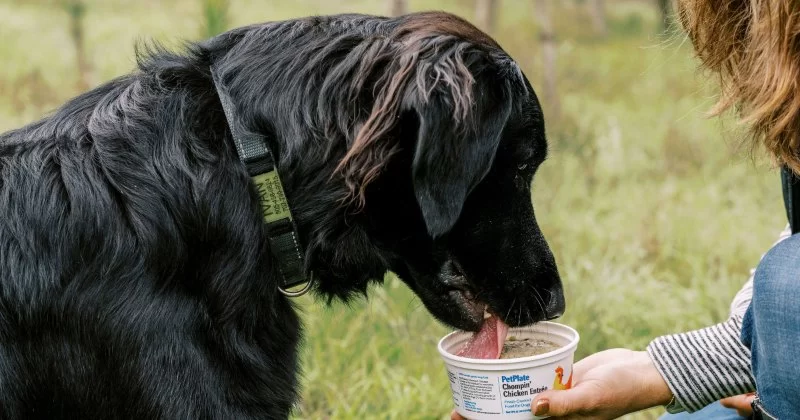
Senior dogs thrive with training strategies tailored to their unique needs. Experts recommend short, positive sessions—five to ten minutes at a time—to prevent fatigue. Use soft, easy-to-chew treats as rewards, and focus on commands that don’t strain mobility. Instead of asking for jumps or high-energy tricks, focus on skills like “touch,” “stay,” or gentle stretching exercises.
Consistency is essential. While it may take longer for an older dog to form new habits, steady reinforcement will pay off. For products that can make training more effective—like joint-friendly toys, calming aids, or specialized treats—Hidden Brook Veterinary provides trusted recommendations.
4. Real-Life Examples of Senior Dogs Learning
Consider Buddy, a 12-year-old golden retriever whose owners thought training was no longer possible. With the help of positive reinforcement, Buddy learned “wait” at the door, reducing his old habit of rushing outside.
Another story involves Lily, a 14-year-old mixed breed who struggled with separation anxiety. By introducing gradual training sessions paired with soothing routines, Lily became calmer when left alone, transforming her final years into a more peaceful experience. These examples show that age doesn’t stop dogs from improving their behavior and enjoying learning.
5. What It Means to Train an Older Dog
Training a senior dog isn’t just about obedience—it’s a form of care and communication. It means respecting their limitations while encouraging mental and emotional growth. It reflects a commitment to ensuring that every stage of their life is fulfilling, engaging, and comfortable.
When you train a senior dog, you’re showing that it’s never too late to strengthen your bond and give your pet a better quality of life. The process itself becomes part of what makes the senior years meaningful.
6. Professional Guidance and Support
If you encounter challenges, professional support can make all the difference. A veterinarian can check for physical limitations, while certified trainers can adapt methods to suit older dogs’ needs.
At Hidden Brook Veterinary, you’ll find expert advice, health support, and carefully chosen products to make senior dog training effective and enjoyable. With the right care, every training session becomes an investment in your dog’s happiness and longevity.