- Can-Senior-Dogs-Learn
- Challenges-in-Training-Older-Dogs
- Effective-Training-Techniques
- Real-Stories-of-Senior-Dogs
- Supportive-Tools-and-Resources
- Professional-Guidance-and-Care
Can Senior Dogs Learn?
Many pet owners wonder if it’s too late to train a senior dog. The truth is, dogs remain capable of learning new skills and habits well into their golden years. While puppies may absorb commands quickly, older dogs benefit from patience and consistency. Their maturity often means fewer distractions, making them excellent candidates for positive reinforcement training. Age is not a barrier—it simply requires adapting the training approach to match their needs.
Challenges in Training Older Dogs
Training a senior dog does come with unique challenges. For example, older dogs may face reduced hearing, vision problems, or arthritis that affects mobility. These conditions don’t prevent learning but do require adjustments. Commands may need to be taught with hand signals, or training sessions shortened to accommodate lower energy levels. Recognizing and respecting these limitations is essential to success.
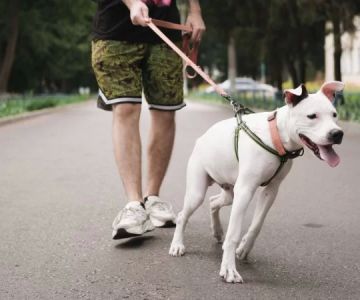
Behavioral habits built over years can also take longer to reshape. A dog that has spent a decade pulling on the leash will need extra patience to unlearn the behavior. That said, older dogs often crave human companionship and structure, which can be powerful motivators.
Effective Training Techniques
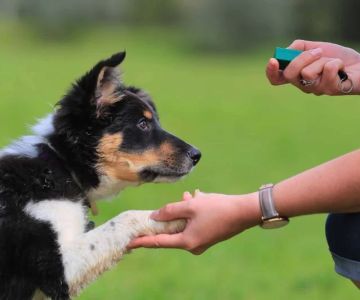
1. Positive Reinforcement: Reward-based training remains the gold standard, no matter the dog’s age. Treats, verbal praise, and affection help reinforce good behavior without stress.
2. Short, Frequent Sessions: Instead of long lessons, focus on 5–10 minute sessions multiple times a day. This prevents fatigue and keeps learning enjoyable.
3. Gentle Physical Activity: Use training exercises that double as light movement, such as teaching “sit,” “stay,” or “down” while accommodating any physical limitations.
4. Mental Enrichment: Puzzle toys, scent games, and obedience practice help keep older dogs mentally sharp. Training is as much about brain exercise as it is about behavior.
These approaches ensure learning feels rewarding rather than overwhelming for senior pets.
Real Stories of Senior Dogs
Consider Daisy, a 9-year-old Labrador in Florida whose owners adopted her from a shelter. Daisy had no prior leash training and was anxious in public. Through consistent positive reinforcement and patience, she learned to walk calmly within three months. Her owners reported not only improved behavior but also a visible boost in Daisy’s confidence.
Another example is Max, a 12-year-old terrier mix who went viral on Instagram in 2024 for learning agility tricks despite arthritis. His story inspired thousands of owners to try training their senior pets, proving that enthusiasm and creativity make a difference at any age.
Supportive Tools and Resources
Training older dogs often benefits from specialized tools. Non-slip mats, orthopedic beds, and gentle harnesses can make sessions safer and more comfortable. Food puzzles or slow feeders encourage mental stimulation, while soft treats provide motivation without straining sensitive teeth.
At Hidden Brook Veterinary, pet owners can find curated products designed specifically for senior dogs, including mobility aids, enrichment toys, and nutritional supplements that support both learning and health.
Professional Guidance and Care
When training challenges persist, consulting with a professional trainer or veterinary behaviorist can provide tailored strategies. Medical checkups are equally important, as undiagnosed pain or health issues often contribute to behavioral resistance. Addressing health and training together ensures the best outcome for senior pets.
With patience, compassion, and the right resources, it’s never too late to train a senior dog. Owners who invest in continued learning strengthen their bond with their pets while enriching their dogs’ later years with confidence, activity, and joy.