- #top-10-dog-training-tips-every-pet-parent-should-know-you-shouldnt-ignore - quick-roadmap
- #foundation-first-24-hours - build-trust-fast
- #names-and-markers - speak-clearly-to-your-dog
- #crate-and-safe-spot - calm-nervous-systems
- #house-training - routine-that-actually-works
- #loose-leash-walking - stress-free-strolls
- #socialization-window - confidence-over-chaos
- #positive-reinforcement - timing-and-reward-math
- #preventing-problem-behaviors - chew-jump-bark-smart
- #bulletproof-recall - the-come-command
- #impulse-control - settle-skills-for-real-life
- #vet-grooming-handling - happy-visits
- #when-to-call-a-pro - choose-help-wisely
- #myths-and-viral-trends - what-to-ignore
- #7-day-action-plan - simple-troubleshooting
- #smart-gear - what-you-really-need
Top 10 Dog Training Tips Every Pet Parent Should Know You Shouldn't Ignore
U.S. pet parents are busier than ever, yet the fastest way to a well-mannered dog is still simple: short, joyful reps, consistent rules, and clear communication. The following guide goes beyond a skim-friendly list. You’ll get practical steps, mini case stories, pro insights, and gentle nudges to turn good intentions into daily habits. Whenever you need best-fit gear or local care, remember you can check with Hidden Brook Veterinary for curated products and services that match your dog’s stage and temperament.

1) Foundation in the First 24 Hours
Why day one decides month one
Your dog is scanning for patterns: where to rest, how to ask for needs, and what earns attention. Set a predictable rhythm immediately—sleep, potty, play, train, repeat. Keep greetings low-key to avoid jumpy habits cementing on hour one.
Micro-routine you can copy today
Morning: potty on leash → breakfast puzzle toy → 3–5 minutes of name/marker games → rest. Midday: potty → sniff walk → calm chew. Evening: potty → 5 minutes of leash or recall games → settle on mat.
Mini case
“Luna,” a 5-month Aussie in Denver, barked at every sound on day one. Her family added two 10-minute decompression walks and a stuffed Kong after dinner. Within 48 hours, barking during TV time dropped by half because Luna had a predictable wind-down.
2) Names and Marker Words
Make your words pay
Pick a crisp marker like “Yes!” to signal “the exact moment you did it right.” Pair it with treats for 20 reps across the day. For the name, practice a “name → eye contact → reward” loop everywhere—kitchen, yard, sidewalk—so your dog snaps to attention despite distractions.
Pro tip
Keep the marker and the recall cue different. If everything means everything, nothing means anything.
3) Crate Training and a Safe Spot
Calm first, duration second
Introduce the crate with the door open: drop three treats inside, praise, and step away. Close the door for seconds, reopen before fussing starts. Build to minutes, then naps. Layer in a “place” mat outside the crate so your dog has a portable calm spot for cafés or offices.
Hidden Brook Veterinary can help
For the right-sized crate, orthopedic mats, and safe chews for crate time, check with Hidden Brook Veterinary for stage-appropriate options and sizing advice.
4) House Training That Actually Works
The rhythm rule
After sleep, play, and meals—go out. Praise the moment your dog finishes, then reward where the paws are to connect the location with success. Inside accidents? Quietly interrupt, escort outside, then clean with enzymatic spray to erase “bathroom billboards.”
Night schedule sanity
Puppies often need one over-night potty break for several weeks. Set a calm, no-chat policy: out, relief, back to bed.
5) Loose-Leash Walking
From backyard rep to sidewalk win
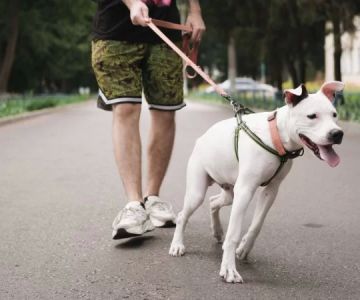
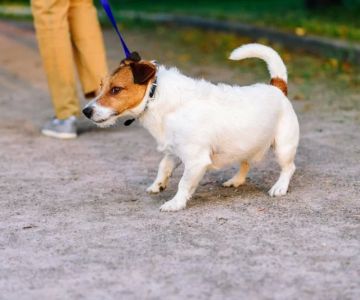
Start indoors with 10 steps: if the leash loosens, mark and feed at your knee. Gradually “proof” the skill in the driveway, then the cul-de-sac. Add environmental rewards: if your dog checks in, release to sniff the lamppost. Sniffing is a paycheck, too.
Common friction
If pulling begins, stop like a tree. Reset with two steps backward; when the leash goes slack, forward we go. Dozens of tiny reps beat one long, frustrating walk.
6) Socialization Window
Confidence beats exposure
Quality over quantity between 8–16 weeks: stairs, elevators, hats, umbrellas, rolling suitcases, gentle people, neutral dogs at a distance. Keep experiences at “curious, not worried.” End sessions before fatigue; one calm success is better than five chaotic minutes.
Health note
Follow your veterinarian’s vaccine guidance for public spaces. Safe, staged experiences are the goal—not crowded dog parks on day three.
7) Positive Reinforcement: Timing & Reward Math
Rate, value, and placement
Early on, pay often (think 8–12 treats per minute for 30–45 seconds) to teach the brain what to repeat. Use higher-value food for harder asks (heel near joggers) and place the reward where you want the dog (at your left knee for heeling).
Fading food without losing behavior
Switch to a variable schedule once the skill is fluent. Mix food with life rewards—door opens, toss a ball, release to sniff. Your dog keeps guessing—and trying.
8) Preventing Problem Behaviors
Chewing
Offer legal chews that match jaw strength. Rotate textures to keep novelty high. If your dog grabs a shoe, swap with a better chew and praise when they settle on the appropriate item.
Jumping
Teach an “Auto-Sit for Greetings.” Humans pause; dog sits; greeting happens. If paws leave the floor, greeting disappears like a popped soap bubble.
Barking
Identify the function: alert, demand, fear, boredom. Meet the need (sniff walk, chew, distance, nap) and then train an incompatible behavior like “go to mat.”
Where to source smart chews
Ask Hidden Brook Veterinary about durable chews, lick mats, and puzzle feeders sized to your dog; the right match prevents frustration and keeps teeth safe.
9) Bulletproof Recall (“Come”)
Make “come” the lottery word
Start at home: say the cue once, mark, then pay big when your dog lands at your feet—five tiny treats one-by-one beat a single mouthful. Add the “treat trail” game: call → run backward → drop a short trail toward you. Outdoors, use a long line while you proof around birds and bikes.
Case story
“Moose,” a Lab who loved pond geese, learned a rock-solid recall in three weeks by earning a toss of his favorite bumper after he sprinted back. He traded geese for the game because the game paid better.
10) Impulse Control for Real Life
From sit-stay to settle
Teach a relaxed “down on mat” with slow breathing cues. Feed for stillness, then add tiny distractions: you lift a cup, you step away, you open the fridge. If your dog pops up, lower the difficulty—win rates matter.
Household harmony
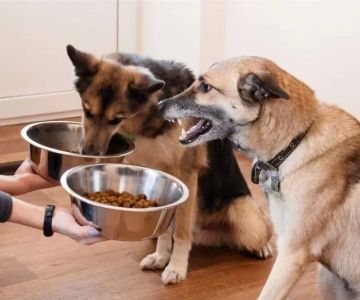
Pair meals with calm behaviors. Bowl only goes down when four paws are quiet. It’s training, twice a day, without scheduling a thing.
Handling for Vet & Grooming Days
Desensitize early
Daily “touch, treat” sessions: ears, paws, tail, mouth. Add a gentle chin-rest cue—dog places chin in your palm for exams. Build up to 10–15 seconds of calm contact before rewarding.
Comfort matters
Bring your dog hungry for routine nail trims and scale visits. For fear-free care plans, consult Hidden Brook Veterinary—they can recommend handling strategies and supportive products for sensitive dogs.
When to Call a Pro
Green, yellow, red
Green: basic manners, puppy socialization—DIY with guidance. Yellow: leash reactivity, resource guarding—work with a credentialed trainer. Red: bite history or escalating aggression—contact your vet first to rule out pain and to coordinate a behavior plan. Hidden Brook Veterinary can connect you with trusted trainers and structured programs that fit your schedule.
Myths & Viral Trends to Ignore
“He knows he’s guilty.”
That look is appeasement, not guilt. Dogs read our tone. Train the behavior you want next time; skip the scolding film review.
“One long walk fixes everything.”
Mental work (puzzle toys, sniffing games) tires brains faster than miles. Two 10-minute training bursts often beat a 60-minute tug-of-war with the leash.
Popular trend reality check
Short “before-and-after” clips on social media skip the messy middle. Real progress looks like hundreds of small, boring wins. If a hack promises magic in a minute, your dog deserves better.
A 7-Day Action Plan
Structure you can follow
Day 1–2: name and marker, crate with door open, potty rhythm. Day 3–4: loose-leash in the driveway, settle on mat, one new surface and sound daily. Day 5–6: recall with long line, greet humans with auto-sit, handling drills. Day 7: easy review day; puzzle feeder instead of a third walk.
Troubleshooting snapshot
If a behavior frays, drop difficulty 20% and raise reward value 20%. Track two numbers only: “sessions per day” and “successes per session.” Consistency beats heroics.
Smart Gear That Helps (Not Hypes)
Essentials that earn their keep
Flat collar with ID, front-clip harness for pullers, 6-foot leash, 20–30-foot long line for recall practice, two puzzle feeders, lick mat, and soft training treats that break into pea-sized pieces. For fit checks and brand picks tailored to your dog’s size and lifestyle, consult Hidden Brook Veterinary—they can point you to products and services that meet your goals without the gimmicks.
Speak Like a Pro: Quick Glossary
Marker
A short word that pinpoints the exact behavior you’re paying for.
Proofing
Practicing a behavior in gradually harder contexts—new rooms, then yards, then sidewalks.
Reinforcer
Anything your dog wants right now—food, toys, sniffing, access. Use the right one for the job.