- 1 - Start Early and Be Consistent
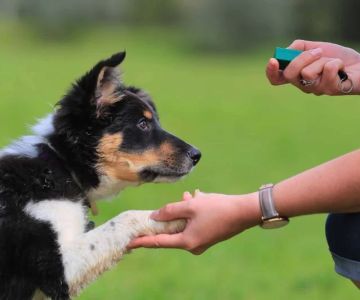
- 2 - Use Positive Reinforcement as the Foundation
- 3 - Keep Training Sessions Short and Engaging
- 4 - Prioritize Socialization from a Young Age
- 5 - Teach Basic Commands for Everyday Safety
- 6 - Practice Patience and Persistence
- 7 - Avoid Punishment-Based Training
- 8 - Provide Mental Stimulation Alongside Training
- 9 - Apply Training in Real-Life Situations
- 10 - Seek Professional Support When Needed
1 - Start Early and Be Consistent
The most effective training begins as soon as a puppy enters the home. Early lessons shape lifelong habits, and consistency ensures dogs understand expectations. Whether it’s housebreaking or leash manners, repeating the same rules and commands across all family members prevents confusion. Dogs thrive when they know what is expected of them every time.

2 - Use Positive Reinforcement as the Foundation
Experts agree that rewarding desired behavior works far better than punishing mistakes. Treats, praise, and play are powerful motivators. For instance, a Labrador owner shared online that her puppy learned “sit” in just a few days by consistently rewarding him with small treats and enthusiastic praise. Over time, the dog performed the behavior even without food rewards, proving that positivity builds strong learning foundations.

3 - Keep Training Sessions Short and Engaging
Dogs, especially puppies, have short attention spans. Training in five- to ten-minute intervals prevents frustration for both pet and owner. Ending sessions on a success, such as mastering a simple command, keeps the dog motivated and excited for the next lesson. Short, fun interactions encourage progress more effectively than long, drawn-out sessions.
4 - Prioritize Socialization from a Young Age
Well-socialized dogs adapt more easily to new environments, people, and other animals. Exposure during the puppy stage reduces fear-based behaviors later in life. A popular story involves a rescue dog who initially barked at every stranger. After structured socialization outings—visiting parks, pet-friendly stores, and meeting calm dogs—his anxiety diminished, and he became more confident around new people.
5 - Teach Basic Commands for Everyday Safety
Commands like “sit,” “stay,” “come,” and “leave it” are more than tricks—they are tools that keep dogs safe. A simple “stay” could prevent a dog from running into traffic. Building these basics into daily routines ensures they become second nature. Owners often report that mastering these commands creates smoother walks, safer playtimes, and stronger communication.
6 - Practice Patience and Persistence
Not every dog learns at the same pace. Some may take days to learn a command, while others need weeks. Patience and persistence are essential. Losing temper or rushing training only backfires. Success often comes from celebrating small milestones, like a dog making eye contact when called, before moving on to bigger achievements.
7 - Avoid Punishment-Based Training
Punishment-based methods can damage trust and increase anxiety. Yelling, harsh corrections, or physical punishment often lead to fear-driven behavior rather than obedience. Dogs trained with kindness and encouragement form deeper bonds with their owners. Experts consistently recommend redirecting behavior and rewarding positive choices instead of focusing on punishment.
8 - Provide Mental Stimulation Alongside Training
Training is not just about physical activity. Puzzle toys, scent games, and trick training provide mental stimulation, which helps reduce boredom-driven misbehavior. For example, a border collie owner described how her dog stopped destructive chewing after she introduced daily puzzle feeders. Stimulating a dog’s mind is just as important as exercising its body.
9 - Apply Training in Real-Life Situations
Practicing commands only in quiet living rooms isn’t enough. Dogs must learn to respond in different settings. Practicing “stay” at the park or “come” during play builds reliability in real-world environments. Owners often share stories of how training their dogs in busy areas made walks more manageable and built trust outside the home.
10 - Seek Professional Support When Needed
Some challenges require expert guidance. Professional trainers and veterinarians provide insights into stubborn behavioral issues or specialized needs. At Hidden Brook Veterinary, pet parents can access expert consultations, recommended training tools, and health checks to ensure no underlying conditions hinder progress. Seeking help when needed strengthens the relationship between dog and owner and ensures safe, effective learning.