The Science Behind Clicker Training and Why It Works: A Deep Dive
- 1. What is Clicker Training?
- 2. How Clicker Training Works: The Science Explained
- 3. The Benefits of Clicker Training
- 4. Real-Life Success Stories with Clicker Training
- 5. Common Mistakes in Clicker Training and How to Avoid Them
1. What is Clicker Training?
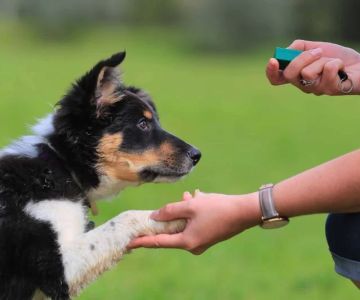
Clicker training is a popular and effective method used to train pets, particularly dogs, by using a small device that makes a distinct "click" sound when pressed. The clicker is used as a marker to reinforce desirable behavior. This positive reinforcement technique helps animals understand what actions are being rewarded, which in turn encourages the repetition of those actions. Clicker training is rooted in behavioral science, particularly the principles of operant conditioning.

The Role of Positive Reinforcement
In clicker training, the "click" sound is a signal that immediately follows a behavior, marking it as something desirable. When paired with a reward, such as food or praise, this click sound serves as a powerful tool to reinforce learning. Over time, the animal learns to associate the clicker sound with positive outcomes, which helps shape their behavior in a clear and consistent way.

2. How Clicker Training Works: The Science Explained
The effectiveness of clicker training lies in its use of behavioral science, specifically the principles of operant conditioning. Operant conditioning is a learning process where behaviors are influenced by the consequences that follow them. This theory, originally developed by B.F. Skinner, suggests that behaviors followed by rewards (reinforcements) are more likely to be repeated.
Classical Conditioning and the Clicker
At the core of clicker training is classical conditioning, which involves associating an involuntary response with a new stimulus. The "click" is initially a neutral stimulus, but when paired with a reward, the animal begins to associate the click with a positive experience. Over time, the sound of the click itself becomes reinforcing, helping to quickly communicate which behavior is being reinforced.
The Timing of the Clicker
The key to effective clicker training is timing. The click must occur immediately after the desired behavior is performed to help the animal make a direct connection between the behavior and the reinforcement. This immediate feedback helps ensure that the animal understands exactly what action is being rewarded, which speeds up the learning process.
3. The Benefits of Clicker Training
Clicker training offers numerous benefits over traditional training methods. Here are some of the reasons why it works so effectively:
1. Clarity for the Animal
The clicker provides clear, immediate feedback, which makes it easier for pets to understand what behaviors are being reinforced. This clarity leads to faster learning and a stronger bond between the trainer and the animal.
2. Positive Reinforcement
Unlike punishment-based training methods, clicker training uses positive reinforcement to encourage good behavior. This approach reduces stress and fear in animals, promoting a more relaxed learning environment. Pets trained with clickers tend to be more confident and motivated to learn.
3. Versatility
Clicker training is highly versatile and can be used for a variety of animals, including dogs, cats, birds, and even horses. It's particularly useful for teaching complex behaviors or tricks, as it allows the trainer to break down tasks into smaller steps and reinforce progress along the way.
4. Enhanced Communication
Clicker training improves communication between pet and owner by providing a consistent and clear signal. This strengthens the relationship and fosters mutual understanding, as animals begin to recognize the click as an important part of their learning process.
4. Real-Life Success Stories with Clicker Training
Clicker training has led to many success stories across a wide range of animals, from household pets to service animals. Here are a few examples:
1. Service Dogs
Clicker training has been widely used in training service dogs to perform complex tasks, such as guiding the visually impaired or assisting individuals with mobility challenges. The precise feedback provided by the clicker helps dogs learn intricate commands, making them highly effective in their roles.
2. Rescue Dogs
Rescue dogs often come from difficult backgrounds and may have behavior issues that need to be addressed. Clicker training is a valuable tool in helping these dogs overcome fear and anxiety, making it easier for them to integrate into new homes and learn commands that can assist in their new lives.
3. Cats and Other Pets
Clicker training isn't just for dogs—many cat owners have used clicker training to teach their cats tricks, such as fetching or using the toilet. It has also been used to address behavioral issues in cats, such as scratching or aggression, by rewarding positive behavior and discouraging undesirable actions.
5. Common Mistakes in Clicker Training and How to Avoid Them
While clicker training is an effective method, there are common mistakes that can hinder the learning process. Here are some mistakes to avoid:
1. Delayed Timing
One of the biggest challenges with clicker training is ensuring the click is made immediately after the desired behavior. Delaying the click will confuse the animal, as they will not associate the behavior with the reward. To avoid this, always ensure that the click happens within a fraction of a second after the behavior is performed.
2. Inconsistent Reinforcement
Consistency is key in any training method. If the clicker is used inconsistently or the reinforcement isn’t always given after a correct behavior, the animal may become confused and lose interest. Be consistent with your timing and rewards to reinforce the connection between the behavior and the reward.
3. Overuse of the Clicker
While the clicker is a great tool, it’s important not to rely on it too much. If you overuse the clicker without gradually fading it out, your pet may become overly dependent on the sound and may not perform the behavior without it. Make sure to eventually phase out the clicker and replace it with verbal cues or praise once the behavior is learned.
If you're interested in learning more about effective training methods or need advice on clicker training for your pet, visit Hidden Brook Veterinary for expert guidance and recommendations on the best training tools and techniques for your animal.