
The Role of a Veterinary Technician: What They Do for Your Pet Explained Simply
- What is a Veterinary Technician?
- What Do Veterinary Technicians Do?
- Skills and Training Needed to Be a Veterinary Technician
- Why Veterinary Technicians are Essential for Your Pet's Health
- Real-Life Examples: How Veterinary Technicians Make a Difference
- Get the Best Pet Care Services at Hidden Brook Veterinary
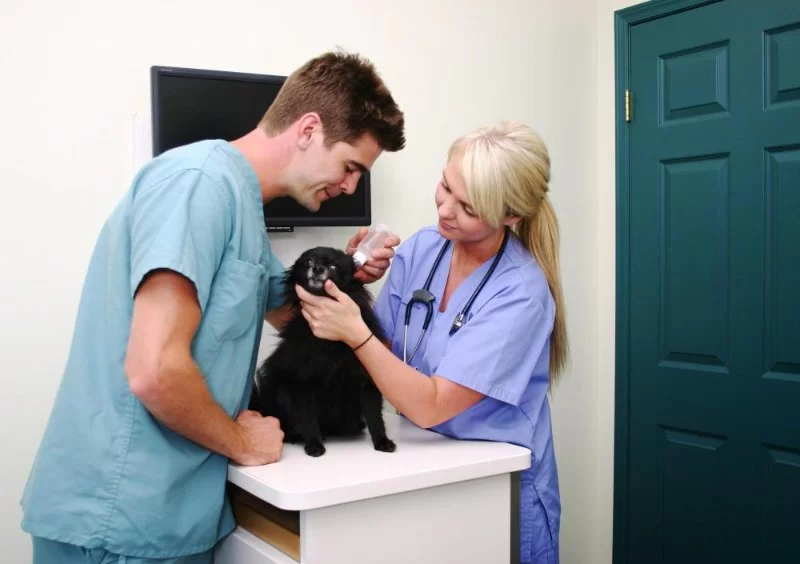
A veterinary technician plays a vital role in the care and well-being of your pet. Often referred to as the "nurses" of the veterinary world, these professionals work closely with veterinarians to provide essential medical care and support for animals. Whether in a clinic, hospital, or emergency setting, veterinary technicians assist with various procedures and treatments, ensuring that your pet receives the best possible care. Their responsibilities go beyond just assisting in surgeries or administering medication – they are often the ones who directly interact with pets and their owners, offering reassurance and guidance throughout treatment.
So, what exactly do veterinary technicians do for your pet? Their duties are wide-ranging and depend on the setting they work in. Here are some of their key responsibilities:
1. Performing Diagnostic Tests
One of the primary tasks of a veterinary technician is to perform diagnostic tests such as blood work, urine analysis, and X-rays. These tests help the veterinarian make accurate diagnoses and determine the best course of treatment for your pet. Veterinary technicians are trained to operate the necessary equipment and interpret the results to assist the veterinarian in decision-making.

2. Administering Medications and Treatments
Veterinary technicians are responsible for administering prescribed medications, fluids, and treatments to pets. This includes giving injections, monitoring the effects of anesthesia during surgery, and ensuring that pets receive the proper care after surgery. They also educate pet owners about how to care for their pets at home, including administering oral medications and monitoring their recovery.

3. Assisting in Surgery
During surgeries, veterinary technicians play a crucial role by preparing the pet for surgery, maintaining sterile environments, and assisting the veterinarian during the procedure. They monitor vital signs, assist in the anesthesia process, and help ensure that pets recover smoothly afterward.
4. Offering Pet Care Advice
Veterinary technicians often provide advice to pet owners on maintaining their pet's health, such as dietary recommendations, exercise tips, and preventive care. They can help pet owners understand the importance of vaccinations, parasite prevention, and regular check-ups.
To become a veterinary technician, individuals must undergo rigorous training and education. A typical path includes obtaining a degree from an accredited veterinary technology program, followed by passing a licensing exam. In addition to technical knowledge, veterinary technicians must have excellent communication skills, compassion, and the ability to remain calm in stressful situations. They must also possess strong attention to detail, as their work directly impacts the health and safety of animals.
Veterinary technicians are essential in maintaining the health and well-being of pets. Without them, veterinarians would not be able to function as efficiently or effectively. Their presence helps ensure that pets receive timely and accurate care, from routine check-ups to critical treatments. In many cases, a veterinary technician can be the first to notice changes in a pet’s condition, helping detect health problems early and improving outcomes. Whether your pet needs a routine vaccination or urgent care, veterinary technicians are crucial in providing high-quality, compassionate care.
Let’s look at a real-life example. Sarah, a dog owner, took her dog Max to the veterinary clinic for a routine check-up. During the visit, the veterinary technician noticed a slight irregularity in Max’s heartbeat. After conducting some diagnostic tests, the technician informed Sarah that Max had a mild heart condition that needed attention. Thanks to the veterinary technician’s keen observation, Sarah was able to get Max the right treatment before the condition worsened. This story highlights how veterinary technicians are not only caregivers but also essential diagnosticians who often save lives.








