

The Real Life of a Veterinarian Assistant: Duties, Skills & Career Insights
- what-it-means-to-be-a-veterinarian-assistant
- daily-responsibilities-in-a-clinic-setting
- the-skills-that-make-a-great-veterinary-assistant
- real-clinic-story-the-day-i-learned-empathy-matters
- how-to-become-a-veterinarian-assistant
- should-you-pursue-a-career-as-a-veterinarian-assistant
1. What It Means to Be a Veterinarian Assistant
Choosing a career as a veterinarian assistant means stepping into a world where compassion meets clinical precision. It’s a hands-on role that supports veterinarians in animal care facilities, helping both pets and their anxious owners navigate medical visits with a touch of empathy and skill. You’re not just cleaning kennels or answering phones—you’re helping animals feel safe and helping teams run efficiently.
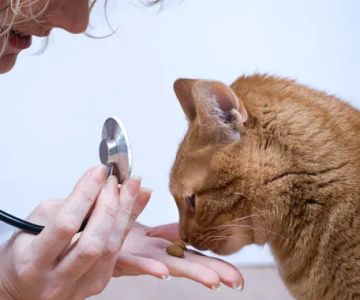
2. Daily Responsibilities in a Clinic Setting
2.1 Handling Patient Intake and Recordkeeping
One of the first roles of a veterinary assistant is to greet the client and collect vital health information. Organizing patient files, updating treatment notes, and supporting accurate data entry are essential parts of the job. Accuracy here matters—especially during emergencies when every second counts.

2.2 Assisting During Exams and Procedures
A veterinarian assistant is often the extra pair of hands during physical exams, surgeries, or dental cleanings. They gently restrain animals, prepare tools, and ensure everything is sterile and in place. It’s multitasking at its finest and requires calm confidence even when the animal is in distress.
2.3 Cleaning, Feeding, and Post-Op Care
Yes, there are moments that involve cleaning cages or mopping floors. But those tasks matter. A clean, calm environment helps pets recover. Assistants also prepare meals, administer prescribed medications, and monitor recovering patients—providing quiet comfort that sometimes matters more than medical tools.
3. The Skills That Make a Great Veterinary Assistant
3.1 Emotional Intelligence and Animal Empathy
Working as a veterinarian assistant means tuning into the fears and feelings of both animals and humans. You learn to read a dog’s body language or calm a panicked cat—and often, comfort a grieving pet parent. These soft skills aren’t listed in textbooks, but they’re what truly set great assistants apart.
3.2 Communication and Team Coordination
Clear communication is vital in a busy clinic. Whether it’s updating the vet on a patient’s change in condition or explaining medication instructions to a pet owner, a veterinarian assistant must bridge understanding with patience and professionalism.
3.3 Physical Stamina and Alertness
The job isn’t always glamorous. Lifting large dogs, managing long shifts, and staying alert during surgeries is part of the deal. Passion for the work is what keeps you grounded and energized—because no two days are the same.
4. Real Clinic Story: The Day I Learned Empathy Matters
One afternoon, a family brought in their aging Golden Retriever, Max. He was unwell and scared. The young boy holding his leash looked up at me and whispered, “Please don’t let him hurt.” I knelt down, gently pet Max, and assured them we’d do everything we could.
I wasn’t the doctor. I wasn’t making diagnoses. But I was the human bridge between science and emotion. That day, Max’s gentle tail wag—and his family’s grateful smile—reminded me why I chose this path. Being a veterinarian assistant isn’t about fame or fortune. It’s about heart.
5. How to Become a Veterinarian Assistant
5.1 Education and Training Paths
Most entry-level veterinarian assistant roles don’t require a four-year degree. High school diplomas, followed by certifications from community colleges or online veterinary assistant programs, are common. These programs usually cover animal anatomy, restraint techniques, and lab procedures.
5.2 Gaining Hands-On Experience
Shadowing a vet or volunteering at a shelter is a great way to learn the ropes. Many clinics appreciate enthusiastic learners who are reliable and curious. Internships can sometimes turn into full-time roles.
5.3 Certification and Career Advancement
While certification isn't mandatory everywhere, it helps build credibility. Programs from NAVTA (National Association of Veterinary Technicians in America) offer certification that can open doors to better positions and pay. From here, some assistants even go on to become veterinary technicians or continue into vet school.
6. Should You Pursue a Career as a Veterinarian Assistant?
6.1 Who This Career Is For
If you’re drawn to animals, unfazed by the occasional mess, and genuinely enjoy making a difference in people’s lives, being a veterinarian assistant could be your calling. It’s rewarding, challenging, and deeply personal.
6.2 Job Outlook and Satisfaction
According to U.S. Bureau of Labor Statistics, veterinary assistant roles are expected to grow steadily. The demand for pet healthcare keeps rising, and clinics are constantly seeking dedicated assistants who can juggle care, empathy, and efficiency.
6.3 Where to Begin Your Journey
If this career speaks to you, start exploring educational options and local training programs. The journey may begin with cleaning cages, but it can lead to a lifelong passion. At the end of the day, you’re not just supporting a vet—you’re becoming a lifeline for pets and their people.
Ready to step into the world of animal care with purpose? Explore training programs, books, and gear tailored for your journey as a veterinarian assistant—and take your first confident step toward a career that truly matters.








