
- why-parasite-prevention-is-crucial-for-pets - Why Parasite Prevention Is Crucial for Pets
- understanding-the-big-three-fleas-ticks-and-heartworm - Understanding the Big Three: Fleas, Ticks, and Heartworm
- how-natural-remedies-can-support-parasite-prevention - How Natural Remedies Can Support Parasite Prevention
- expert-backed-prevention-strategies-for-every-season - Expert-Backed Prevention Strategies for Every Season
- real-pet-owners-stories-of-success-and-recovery - Real Pet Owners’ Stories of Success and Recovery
- finding-trusted-guidance-and-natural-solutions - Finding Trusted Guidance and Natural Solutions
1. Why Parasite Prevention Is Crucial for Pets
In the U.S., pet owners face a growing threat from parasites such as fleas, ticks, and heartworms. These pests are more than just a nuisance—they can cause serious illness or even death. Parasite prevention is an essential part of responsible pet care. Left untreated, even one flea can lead to severe dermatitis, while a single mosquito bite could introduce heartworm into your dog or cat's bloodstream.

2. Understanding the Big Three: Fleas, Ticks, and Heartworm
2.1 Fleas: The Silent Infestation
Fleas reproduce rapidly and thrive in warm, humid environments. A single flea can lay hundreds of eggs in just days, infesting not only your pet but also carpets, furniture, and bedding. Reactions range from itching and hair loss to anemia in young or small pets.

2.2 Ticks: Tiny But Dangerous
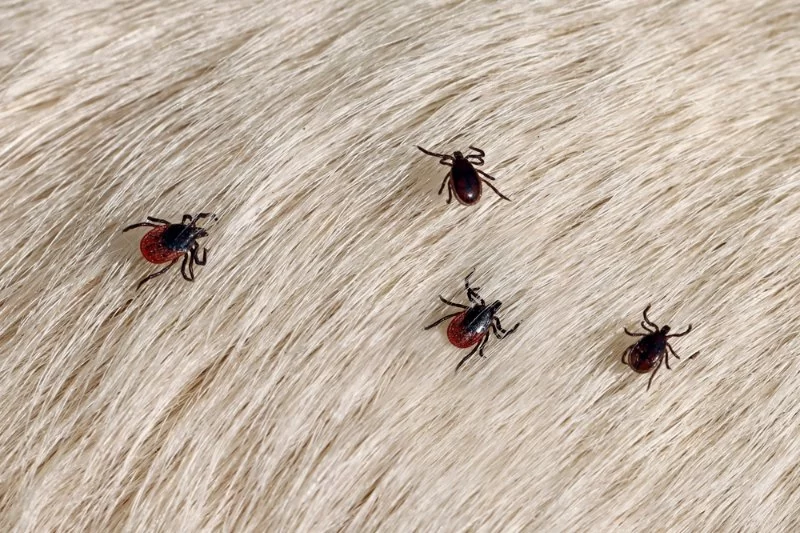
Ticks can carry Lyme disease, ehrlichiosis, and Rocky Mountain spotted fever—diseases that don’t just affect dogs but cats and humans too. In 2023, tick activity was reported higher than average across much of the Midwest and East Coast, reinforcing the need for year-round vigilance.
2.3 Heartworm: The Hidden Killer
Heartworms are spread by mosquitoes and can live in a dog’s heart, lungs, and blood vessels, causing lasting damage. Cats, though less susceptible, can still experience life-threatening symptoms. Many infected pets show no early signs, which makes prevention even more critical.
3. How Natural Remedies Can Support Parasite Prevention
3.1 Essential Oils and Herbal Sprays
Natural ingredients like neem oil, eucalyptus, and lemongrass have insect-repellent properties. When diluted properly, they can be used as sprays for your pet’s coat and bedding. It's important to work with a veterinarian knowledgeable in integrative care to ensure the formulas are safe.
3.2 Dietary Supplements to Boost Immunity
A strong immune system helps pets resist infections. Supplements with garlic (in vet-approved microdoses), brewer’s yeast, and omega-3s can subtly alter your pet’s scent, making them less attractive to pests. However, never administer home remedies without guidance from a professional.
4. Expert-Backed Prevention Strategies for Every Season
4.1 Spring and Summer
Warm seasons bring increased parasite activity. Experts recommend starting natural repellents before peak seasons. Ensure your yard is mowed and free of standing water to reduce breeding grounds.
4.2 Fall and Winter
Even in colder months, ticks and fleas can survive indoors or during warm spells. Heartworm prevention should never be paused unless advised by a vet. Integrating natural remedies with consistent checks is the best defense year-round.
5. Real Pet Owners’ Stories of Success and Recovery
5.1 Charlie’s Comeback
After a hiking trip in the Adirondacks, Charlie, a Labrador retriever, began limping. He was diagnosed with Lyme disease from an embedded tick. His owner used a combination of antibiotics and a natural tick-repelling spray recommended by Hidden Brook Veterinary. Charlie made a full recovery—and they never skipped a tick check again.
5.2 Bella and the Unexpected Heartworm
Bella, a rescue cat from Georgia, tested positive for heartworm during her first vet visit. While she survived with treatment, her owner became an advocate for early prevention and now uses both traditional and natural deterrents year-round for her other pets.
6. Finding Trusted Guidance and Natural Solutions
6.1 The Role of Your Veterinarian
While natural remedies can be effective, they should complement—not replace—professional veterinary care. Vets help you tailor parasite prevention to your pet’s lifestyle, species, and health condition.
6.2 Where to Go for Reliable Help
Whether you're looking to avoid harsh chemicals or simply want a more holistic approach, Hidden Brook Veterinary offers science-backed natural options and personalized care plans. They blend modern veterinary medicine with safe, integrative alternatives that work in the real world—not just on paper.








