Understanding Why Cats Gain Weight
As a cat owner, I’ve had my share of struggles when it comes to managing my cat’s weight. Cats, like humans, can suffer from obesity, and it often sneaks up on us. My cat, Whiskers, was once an active and sprightly kitten, but over time, I noticed her slowing down and gaining a little too much weight. It wasn’t just a minor concern—it started affecting her health. Obesity in cats is not just about looking a little chubby. It can lead to serious issues like diabetes, arthritis, and heart disease.
Weight gain in cats often happens when they consume more calories than they burn. A sedentary lifestyle, overfeeding, and high-calorie foods are common culprits. But the question is: how do we help our cats lose weight in a safe and effective manner? It’s not just about cutting back their food suddenly—there’s a lot more to it than that.

The First Step: Understanding Your Cat's Diet
The first step in getting your cat to eat less and lose weight is understanding what they’re eating. For Whiskers, I realized that I was unknowingly feeding her more than what she needed. Like many pet owners, I followed feeding guidelines on the back of the food packaging. However, these guidelines often overestimate how much your cat actually needs, depending on their activity level and age.
My first tip: don’t just follow the feeding guidelines—observe your cat’s behavior and adjust accordingly. You’ll need to consider factors such as their activity level, age, and overall health. For example, if your cat is mostly indoors and doesn’t get a lot of exercise, they’ll require fewer calories than an active outdoor cat.
468 Cassat Ave, Jacksonville, FL 32254, USA
See DetailsHow Much Should Your Cat Eat?
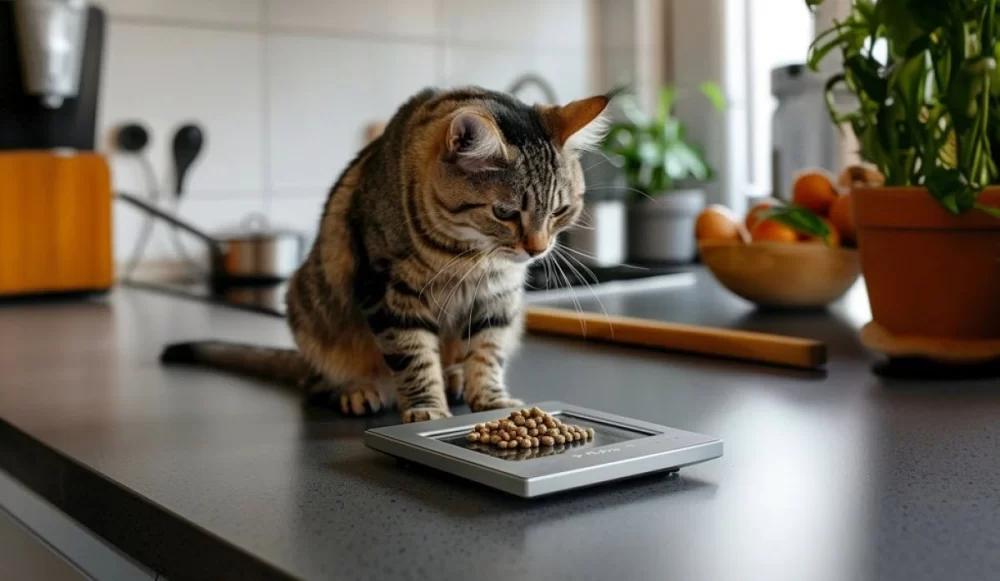
When I began adjusting Whiskers' portions, I started with about 10% less than the recommended daily intake. This isn’t a drastic change but enough to start reducing her calorie intake without causing hunger or discomfort. Gradually reducing portion sizes helps prevent a sudden drop in calories, which can lead to nutritional imbalances.
Keep track of your cat's weight regularly, and consult with a veterinarian to ensure the weight loss is happening at a healthy pace. Typically, a cat should lose no more than 1-2% of their body weight per week. If you see any significant changes in behavior, it might be time to adjust your approach.
Increasing Your Cat's Physical Activity
Besides food, exercise is key to helping your cat shed those extra pounds. While many cats are naturally lazy, finding ways to encourage them to move more is crucial. I started by incorporating interactive toys like laser pointers, feather wands, and treat-dispensing puzzles. These toys not only get Whiskers moving but also stimulate her mind, which is equally important for her overall well-being.
Another fun method I tried was playing a game of "find the treat." I would hide a few healthy treats around the house and encourage Whiskers to hunt them down. This simple activity made her more active, and it became a fun part of her routine.
Keeping Cats Engaged with Playtime
Playtime is essential for keeping indoor cats physically and mentally engaged. A bored cat tends to be a lazy cat. It’s important to create an environment where your cat has to move around, even when they’re indoors. My advice is to commit to a short play session at least twice a day. You’ll be surprised how quickly your cat will become more active and start shedding weight.
Choosing the Right Food for Weight Loss
When it comes to helping your cat lose weight, the type of food you choose matters just as much as the portion sizes. I switched Whiskers to a high-protein, low-carbohydrate diet, which not only helped her lose weight but also kept her feeling satisfied. Cats are obligate carnivores, which means they need a protein-rich diet to thrive. By choosing a high-quality, protein-based food, I noticed that Whiskers was eating less while still feeling full.
Low-fat or weight-control formulas are often marketed as the best option for overweight cats. However, many of these foods contain a lot of carbohydrates, which cats don’t need. Instead of focusing on "diet" foods, I recommend looking for high-quality brands that are designed to support weight management without sacrificing nutrition.
How to Manage Your Cat's Weight Long-Term
Once Whiskers reached her ideal weight, maintaining it became the next challenge. Maintaining a healthy weight is an ongoing process, and it’s essential to continue managing both her food intake and activity level. I learned that the key to keeping her weight in check was consistency. Regular feeding schedules, controlled portions, and daily playtime became part of her routine. We both adapted, and Whiskers’ energy levels and overall health improved.
Additionally, I kept regular vet visits to monitor her health and ensure that we were staying on track. It’s always a good idea to have a professional’s input when managing your cat’s weight, as they can offer personalized advice and catch any health concerns early on.
The Emotional Impact of Weight Loss
As Whiskers lost weight, I saw not only physical changes but emotional ones as well. She was more playful, more energetic, and much happier overall. The emotional bond between us strengthened as we spent more time together playing and engaging in activities. It was incredibly rewarding to see her thrive, and it reassured me that I was doing the right thing.
Helping your cat lose weight is not just about changing their appearance—it’s about improving their quality of life. The health benefits are enormous, and the emotional rewards are just as fulfilling. If you're struggling with your cat's weight, remember that you’re not alone. With the right approach, you and your cat can work together toward a healthier and happier future.