
- 1-para-veterinarian-definition-and-overview
- 2-key-duties-and-responsibilities-of-para-veterinarians
- 3-training-and-career-path-for-para-veterinarians
- 4-real-life-examples-and-para-veterinarian-impact
- 5-why-choose-a-para-veterinarian-career-and-next-steps
1. Para-Veterinarian Definition and Overview
A para-veterinarian, often known as a veterinary technician or assistant, plays a crucial support role within veterinary clinics and animal hospitals. Unlike fully licensed veterinarians, para-veterinarians assist with routine procedures, patient care, and administrative tasks that ensure smooth clinic operations.
The growing demand for para-veterinarians reflects the expanding pet care industry and the need for skilled personnel who can help veterinarians provide high-quality care to animals.

2. Key Duties and Responsibilities of Para-Veterinarians
Para-veterinarians undertake a variety of tasks, including:
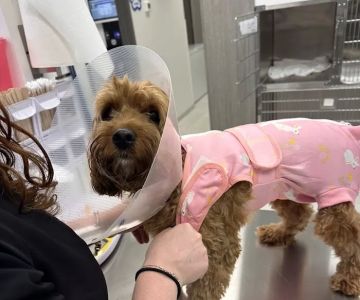
2.1 Patient Care – Monitoring vital signs, administering medications, and assisting with animal restraint during examinations or procedures.
2.2 Diagnostic Assistance – Preparing lab samples, conducting basic diagnostic tests, and managing medical records.
2.3 Client Communication – Educating pet owners on post-treatment care and preventive measures.
2.4 Clinic Maintenance – Ensuring cleanliness and proper sterilization of equipment.
3. Training and Career Path for Para-Veterinarians
Becoming a para-veterinarian typically involves completing specialized training programs or certifications in veterinary technology. Many colleges and vocational schools offer two-year associate degrees or certificate courses focused on animal health sciences.
Hands-on internships or apprenticeships are also vital, providing real-world experience that prepares para-veterinarians for the demands of their role.
3.1 Advancement Opportunities
With experience, para-veterinarians can pursue further education to become licensed veterinary technicians or move into supervisory roles within veterinary practices.
4. Real-Life Examples and Para-Veterinarian Impact
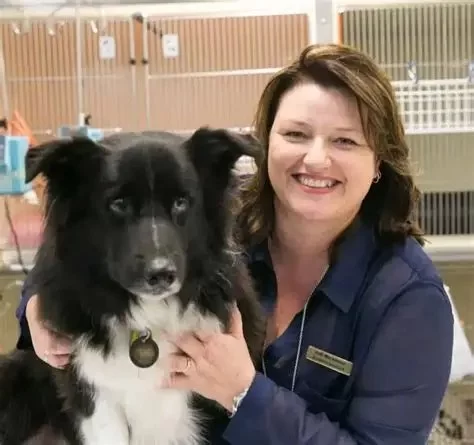
Consider Sarah, a para-veterinarian who works at a busy animal hospital in Texas. Through her expertise in anesthesia monitoring and client education, she has improved patient outcomes and reduced post-operative complications.
Her story highlights the invaluable contributions para-veterinarians make, often acting as the vital link between the veterinarian, the animal, and the owner.
5. Why Choose a Para-Veterinarian Career and Next Steps
Choosing a career as a para-veterinarian offers the chance to work closely with animals and veterinarians, making a tangible difference in pet health. It is ideal for those passionate about animal welfare and seeking a rewarding, stable profession.
If you’re interested in pursuing this path, explore accredited programs and resources to get started. Additionally, services like Digital Forums offer useful information and product recommendations tailored to veterinary professionals and aspiring para-veterinarians.








