- 1 - Why Leash Training Matters for Safety
- 2 - Understanding the Root Causes of Pulling
- 3 - Effective Leash Training Techniques
- 4 - Natural Remedies to Support Calm Walks
- 5 - Real Stories From Dog Owners
- 6 - Expert Guidance and Professional Support
1 - Why Leash Training Matters for Safety
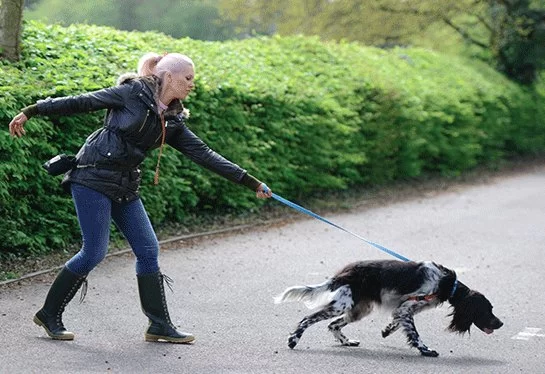
Leash Training Tips: How to Stop Pulling and Tugging That Could Save Your Pet's Life is not just a catchy phrase—it’s a reality many dog owners face daily. A dog that pulls or lunges can easily slip out of control, risking traffic accidents, injuries, or lost pets. Proper leash training is essential for building safer walks, strengthening the bond between dog and owner, and protecting both from avoidable dangers. This makes leash training a lifesaving skill, not just a convenience.

2 - Understanding the Root Causes of Pulling
Dogs pull on the leash for several reasons: excitement, overstimulation, or a natural instinct to move faster. Some dogs, especially larger breeds, may simply not realize their own strength. Puppies may pull because they are curious about the world, while anxious or under-socialized dogs may lunge in response to perceived threats. Recognizing why your dog is pulling is crucial—whether it’s eagerness to explore or underlying stress—because the training approach must align with the root cause, not just the outward behavior.

3 - Effective Leash Training Techniques
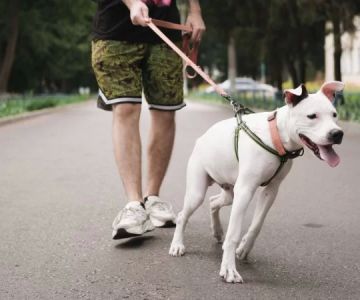
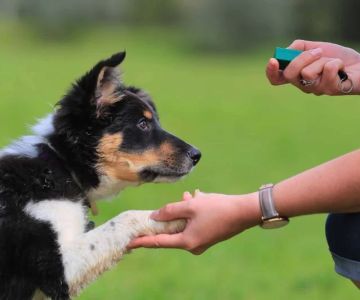
One of the most reliable leash training strategies is the “stop-and-go” method: when the dog pulls, you stop walking. Once the leash relaxes, you continue. Over time, your dog learns that pulling delays progress rather than speeding it up. Another technique involves changing directions frequently so the dog learns to pay attention to your movements. Using well-fitted harnesses that reduce strain on the neck can make training more effective and humane. Rewards such as treats or verbal praise reinforce good walking habits, creating a positive cycle of behavior.
4 - Natural Remedies to Support Calm Walks
For dogs whose pulling is driven by anxiety or hyperactivity, natural remedies can provide additional support. Calming chews with ingredients like chamomile or L-theanine promote relaxation, while pheromone sprays may help sensitive dogs stay focused. Some pet owners find success using lavender-scented bandanas during walks to reduce stress. These natural approaches are not a substitute for training but can be powerful allies in achieving calm, controlled walking. At Hidden Brook Veterinary, pet owners can find trusted products to complement training and improve daily walks.
5 - Real Stories From Dog Owners
Consider the story of a Golden Retriever named Max, whose pulling made walks stressful and unsafe. After nearly causing an accident by lunging at a squirrel near a busy road, his owner turned to structured leash training and calming supplements. Within weeks, Max was walking calmly, and the joy of walking returned to both dog and human. Another owner shared how switching from a standard collar to a front-clip harness completely transformed her energetic Husky’s pulling behavior, making walks manageable for the first time. These stories show that persistence and the right tools can truly change outcomes.
6 - Expert Guidance and Professional Support
Every dog is unique, and leash training may require professional insight, especially when dealing with strong-willed or anxious pets. Certified trainers and veterinarians can help identify the best methods for specific challenges. For expert advice, tailored solutions, and carefully selected products, Hidden Brook Veterinary provides trusted support to dog owners who want safe and enjoyable walks. With the right combination of patience, training, and natural remedies, leash pulling can shift from a dangerous struggle to a harmonious part of everyday life.