- why-wearables-are-redefining-pet-health
- how-smart-pet-collars-detect-early-health-signs
- understanding-normal-vs-abnormal-behavior-patterns
- real-life-success-spotting-silent-health-threats
- what-to-do-when-a-wearable-alerts-you
- choosing-the-right-wearable-for-your-pet
1. Why Wearables Are Redefining Pet Health
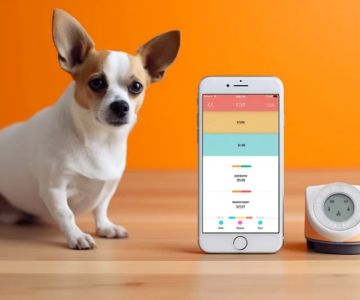
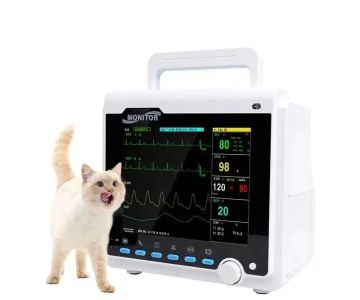
We live in a smart world—why should pets be left behind? Wearable pet technology, like smart collars and activity trackers, has revolutionized how we understand our furry companions. These devices go beyond counting steps. They monitor sleep patterns, heart rate, eating habits, and more. The biggest win? Spotting abnormal pet behavior early—sometimes even before visible symptoms appear.
Just like a Fitbit helps humans detect health trends, a dog activity tracker or cat behavior monitor can alert you to silent issues like chronic pain, anxiety, or digestive trouble.

2. How Smart Pet Collars Detect Early Health Signs
Most smart pet collars come with built-in accelerometers and biosensors. These track your pet’s movements, rest time, scratching, and even vocalizations. When your dog suddenly starts pacing at night or your cat sleeps significantly more, that data is recorded and flagged.
For example, a sudden drop in play activity might signal joint discomfort. Or repetitive licking tracked over several days could suggest skin irritation or anxiety. The wearable doesn't replace a vet—but it gives you early clues.

3. Understanding Normal vs. Abnormal Behavior Patterns
Every pet has unique quirks. What’s normal for a lazy British Shorthair might raise alarms in a Border Collie. That’s why wearables are so valuable: they learn your pet’s personal baseline and recognize when things shift.
Over time, wearables establish behavioral benchmarks. Is your dog sleeping more than usual? Is your cat drinking less water this week? These deviations, while small to the naked eye, might reveal underlying problems. Smart tech can help connect the dots—before you even notice something's off.
4. Real Life Success: Spotting Silent Health Threats
Sarah from Austin shared how her Labrador’s smart collar alerted her to a 40% reduction in daily movement. She thought Bella was just tired from the summer heat—but the data pushed her to schedule a vet visit. The diagnosis? Early-stage Lyme disease. “I never would’ve caught it that early,” Sarah said.
In another case, a Maine Coon named Jasper stopped grooming. His wearable recorded longer rest periods and less food intake. Turns out, Jasper had dental pain that wasn’t noticeable until it advanced.
These stories show just how life-changing a simple wearable pet monitor can be.
5. What to Do When a Wearable Alerts You
If your smart pet collar flags an unusual behavior pattern, don’t panic—but don’t ignore it either. First, check your app for detailed insights. Many platforms compare data across days or weeks to determine if it's a consistent concern.
Next, observe your pet closely. Look for visible symptoms: limping, loss of appetite, excessive licking. If any behavior persists, reach out to your veterinarian for a professional assessment. Hidden Brook Veterinary offers expert support tailored to modern pet needs—wearable data included.
6. Choosing the Right Wearable for Your Pet
6.1 Consider Your Pet’s Size and Lifestyle
Larger breeds may need collars with stronger battery life, while indoor cats may benefit more from lightweight trackers with behavior focus.
6.2 Evaluate the Features
Some wearables focus on GPS tracking. Others dive deep into health monitoring. The best choice depends on what matters most to you—location, wellness, or both.
6.3 Check Compatibility and Support
Ensure the device syncs with your smartphone and offers real-time updates. Look for brands with reliable customer support and app stability.
Ready to be proactive about your pet’s health? Explore wearable pet technology options with confidence at Hidden Brook Veterinary. It’s the smart, caring step every pet parent deserves.