
How to Train as a Veterinary Nurse: Steps, Insights, and Real Advice
- understanding-the-role-of-a-veterinary-nurse - Understanding the Role of a Veterinary Nurse
- education-pathways-and-certifications-required - Education Pathways and Certifications Required
- real-case-from-volunteer-to-vet-nurse - Real Case: From Volunteer to Veterinary Nurse—Sophie's Story
- clinical-training-and-on-the-job-skills - Clinical Training and On-the-Job Skills
- common-challenges-and-how-to-overcome-them - Common Challenges in Vet Nurse Training and How to Overcome Them
- tools-and-resources-for-students-and-new-nurses - Tools and Resources That Support Veterinary Nurse Training
- your-next-step-in-becoming-a-veterinary-nurse - Your Next Step: Start Training as a Veterinary Nurse Today
1. Understanding the Role of a Veterinary Nurse
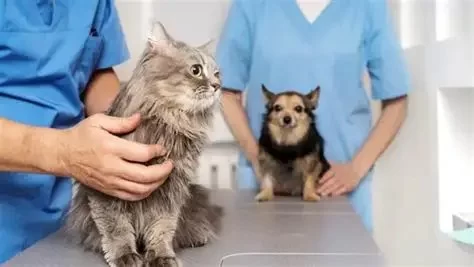
Before you dive into how to train as a veterinary nurse, it’s vital to understand what the job truly entails. A veterinary nurse is more than just a pet caregiver—they’re a crucial part of a clinical team. They assist in surgeries, monitor anesthesia, support diagnostics, administer medications, and provide patient comfort and education to pet owners.
This role demands both compassion and competence, making training essential for anyone entering the field. Whether you're calming a trembling rescue dog or helping the vet insert a catheter, no two days are the same.

2. Education Pathways and Certifications Required
2.1 Academic Foundations
Depending on your country, the pathway to becoming a veterinary nurse may vary. In the U.S., most aspiring vet nurses pursue an associate degree in veterinary technology, often from an AVMA-accredited program. In the UK and Australia, specific diploma or degree-level courses in veterinary nursing are required.
2.2 Licensing and Exams
After completing your education, you’ll need to pass licensing exams such as the VTNE (Veterinary Technician National Examination) in the U.S., or register with an official council like the RCVS in the UK. These certifications validate your skills and allow you to legally practice in a clinical setting.
3. Real Case: From Volunteer to Veterinary Nurse—Sophie's Story
Sophie, now a full-time veterinary nurse in Portland, started as a weekend volunteer at a local animal shelter. Inspired by the work she saw and the impact the staff made, she enrolled in a part-time vet nursing course while working retail. Two years later, she passed her national exams and now works in a 24-hour emergency clinic.
“Training was tough, especially juggling shifts and studies,” she admits. “But the first time I helped save a dog in cardiac arrest, I knew I’d found my calling.” Stories like Sophie’s are a reminder that passion, even more than perfect grades, drives this career.
4. Clinical Training and On-the-Job Skills
4.1 Practical Experience in Real Clinics
Most vet nurse training programs include a hands-on placement or internship phase. You’ll shadow vets, perform routine lab tests, prep surgical tools, and learn to communicate effectively with pet owners. This is where theory becomes action—and confidence is built.
4.2 Soft Skills That Matter
Beyond technical knowledge, successful veterinary nurses are calm under pressure, excellent communicators, and emotionally resilient. Managing grieving owners, aggressive animals, or high-stress procedures takes a steady heart and a clear head.
5. Common Challenges in Vet Nurse Training and How to Overcome Them
5.1 Emotional Burnout
Dealing with critically ill animals or end-of-life care can be emotionally draining. Many vet nurses experience compassion fatigue. Building a personal support network and speaking openly with peers and mentors can help navigate these feelings.
5.2 Balancing Study and Work
Many students work part-time while studying. Time management becomes critical. Creating structured schedules and prioritizing self-care makes a major difference in staying on track and motivated.
6. Tools and Resources That Support Veterinary Nurse Training
Investing in the right tools can ease your training journey. These include anatomy flashcards, stethoscopes designed for small animals, digital thermometers, and clinical logbooks for tracking procedures. Some platforms also offer virtual surgery simulations and case-based learning.
At Hidden Brook Veterinary, we understand what students need. That’s why we curate educational tools and vet nurse essentials trusted by professionals. Whether you’re just starting or already interning, the right gear helps you perform and learn better.
7. Your Next Step: Start Training as a Veterinary Nurse Today
Now that you know how to train as a veterinary nurse, the only thing left is to take action. Begin researching accredited programs near you or online options that fit your schedule. Volunteer, observe, ask questions, and connect with clinics that offer mentorship.
And don’t forget to equip yourself with high-quality tools and learning aids from sources you trust. At Hidden Brook Veterinary, we’re here to help you every step of the way—from student to professional.
Becoming a veterinary nurse isn’t just a career—it’s a commitment to care, compassion, and lifelong learning. Are you ready to begin your journey? Explore the tools, resources, and support that will get you there.








