- Why-teaching-basic-commands-matters
- Teaching-your-dog-to-sit
- Mastering-the-stay-command
- Training-your-dog-to-come
- Common-mistakes-to-avoid-in-dog-training
- Real-life-success-stories-in-obedience-training
- Vet-approved-insights-and-long-term-strategies
Why Teaching Basic Commands Matters
Training your dog to follow basic commands like sit, stay, and come is more than just teaching tricks—it’s about building a foundation of trust and communication. Dogs that understand these commands are easier to manage in daily life and safer in unexpected situations. For instance, the ability to recall your dog with “come” could prevent them from running into traffic or confronting another animal. In 2025, veterinarians and trainers alike emphasize positive reinforcement methods as the gold standard for obedience training. By starting with simple commands, you can gradually nurture a stronger bond with your pet while reducing behavioral problems over time. Experts at Hidden Brook Veterinary often stress that obedience training also reduces stress for the dog, as clear expectations create a sense of security.

Teaching Your Dog to Sit
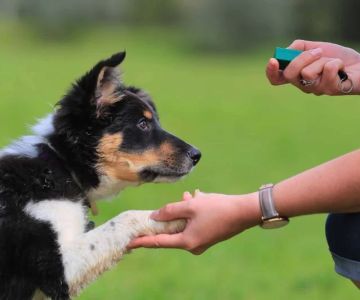
“Sit” is often the first command taught because it is simple and sets the stage for other obedience training. Begin by holding a treat close to your dog’s nose and slowly moving it upward. As the dog follows the treat, their bottom naturally lowers into a sitting position. The moment they sit, say “sit” and reward them with the treat and praise. Repetition is key—practice in short sessions of 5 to 10 minutes, two or three times daily. Many owners in 2025 have started incorporating clicker training, which pairs a distinct sound with the reward, making the behavior clearer to the dog. Remember, patience is crucial. If your dog struggles, avoid pushing them into position; instead, guide them gently with consistency and rewards.

Mastering the Stay Command
Once your dog understands “sit,” you can transition to teaching “stay.” This command reinforces impulse control, which is particularly useful in high-energy dogs. Begin with your dog in the sitting position. Hold your hand out like a stop signal and say “stay.” Take one small step back, then quickly return and reward your dog if they remain in place. Gradually increase the duration and distance over multiple sessions. Realistically, some dogs may only manage a few seconds at first, while others can hold a “stay” for minutes with time and training. A case study from a Minnesota trainer in 2025 showed that dogs taught “stay” early on were less likely to develop separation anxiety, as the command helped them feel calm when owners were out of sight.
Training Your Dog to Come
Arguably the most important obedience command is “come,” often referred to as recall. This command ensures your dog returns to you regardless of distractions. Begin in a safe, enclosed space. Say your dog’s name followed by “come” in a cheerful tone, then reward them with treats or a favorite toy when they arrive. Never use “come” to punish your dog; doing so may make them reluctant to return. For advanced recall training, owners in 2025 often practice with long training leashes in outdoor spaces, gradually increasing the level of distraction. The more positive experiences your dog associates with “come,” the more reliable their response will be in real-life scenarios.
Common Mistakes to Avoid in Dog Training
Even with the best intentions, many owners make mistakes that can hinder training progress. One common error is using punishment when the dog does not respond correctly. Punishment can create fear and confusion, ultimately damaging trust. Another mistake is inconsistency—if different family members use varying commands or tones, the dog will struggle to learn. Additionally, long, exhausting training sessions often backfire, leaving the dog overwhelmed. Experts advise keeping sessions short, consistent, and always ending on a positive note. According to Hidden Brook Veterinary, the most successful training happens when owners approach it with patience, positivity, and realistic expectations.
Real Life Success Stories in Obedience Training
Countless pet owners have seen dramatic improvements through basic obedience training. A 2025 report featured a rescue dog from California who had no prior training and displayed anxious, unruly behavior. Within two months of consistent sit, stay, and come practice, the dog became calmer and more responsive, even around strangers. Another case involved a Labrador in Texas whose owner used positive reinforcement to train “come” after a near-miss with traffic. The recall training not only kept the dog safe but also gave the owner confidence to enjoy off-leash hikes. These stories highlight how essential and life-changing basic obedience training can be for both pets and their families.
Vet Approved Insights and Long-Term Strategies
Veterinarians recommend combining training with holistic care for the best results. Obedience commands should be practiced regularly, even after they are learned, to reinforce consistency. Long-term strategies include incorporating training into daily routines—asking your dog to “sit” before meals or “stay” before opening the door. Mental enrichment activities, such as puzzle toys or agility exercises, also complement obedience training by keeping your dog engaged and balanced. Vet-approved insights stress that training is not just about control but about fostering mutual respect and understanding. By adopting positive reinforcement techniques and seeking guidance from trusted professionals like Hidden Brook Veterinary, owners can ensure their dogs remain well-behaved, happy, and safe for years to come.