- 1 - Why Basic Commands Matter for Dogs
- 2 - Teaching Your Dog to Sit
- 3 - Teaching Your Dog to Stay
- 4 - Teaching Your Dog to Come
- 5 - Real-Life Stories from Dog Owners
- 6 - Expert Tips and Long-Term Success
1. Why Basic Commands Matter for Dogs
Teaching your dog basic commands like sit, stay, and come is more than a trick—it’s a foundation for safety, communication, and trust. A well-trained dog is easier to manage at home and in public, making outings less stressful. In fact, veterinarians often stress that these commands can prevent accidents, such as stopping a dog from running into traffic or jumping on strangers. Training is also mentally stimulating, giving dogs the structure and security they crave.

2. Teaching Your Dog to Sit
Step-by-Step Guidance
The sit command is usually the first lesson for most dogs. Start with a treat in your hand, hold it close to your dog’s nose, and slowly move it upward. As the head follows the treat, the body naturally lowers into a sit position. The moment your dog sits, say “sit” clearly and reward them immediately. Repetition is key—short, consistent sessions work best.

Why It Works
Sit is not just a polite behavior but also the basis for other commands. For example, dogs are often asked to sit before crossing a street or meeting new people. Training sit establishes both obedience and patience, making it an invaluable tool in everyday situations.
3. Teaching Your Dog to Stay
Building Patience and Control
To teach stay, begin with your dog in a sitting position. Hold your hand out like a stop sign, say “stay,” and take a small step back. If your dog holds the position, reward with a treat. Gradually increase the distance and duration before giving the reward. Dogs may struggle with this at first, so patience is crucial.
When It’s Essential
Stay can prevent dangerous situations, like stopping a dog from bolting out the door. Many dog owners recall moments when the stay command saved their pets from harm. With consistency, stay becomes a reliable safeguard in unpredictable environments.
4. Teaching Your Dog to Come
Creating Trust and Safety
The come command can be lifesaving. Start indoors or in a fenced area. Call your dog’s name followed by “come” in an enthusiastic tone. When they reach you, reward generously with treats or praise. Avoid calling them for negative experiences, such as baths or punishments, as this can weaken the association.
Turning Practice into Real-Life Success
Owners who practice recall regularly often report dramatic results. For example, one dog owner in California credited the come command for saving her Labrador from running into a busy street. It illustrates how training builds a strong bond of trust and ensures safety in critical moments.
5. Real-Life Stories from Dog Owners
Training stories from everyday owners can be motivating. A family in Texas shared how teaching sit and stay calmed their excitable beagle during mealtime, transforming chaos into peaceful dinners. Another owner in New York described how their shy rescue dog gained confidence by learning commands through gentle repetition and positive reinforcement. These experiences show that with patience and consistency, progress is always possible.
6. Expert Tips and Long-Term Success
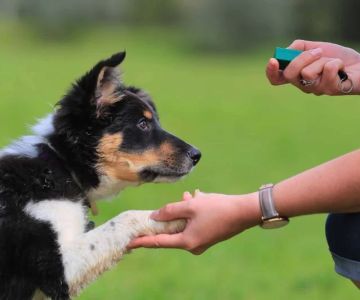
Professional trainers and veterinarians emphasize consistency, patience, and positivity. Training should always end on a good note, leaving dogs eager for the next session. Small, frequent lessons work better than long, exhausting ones. Tools like clickers and high-value treats can also speed up learning. For ongoing success, revisit these commands regularly and apply them in real-life settings. If challenges arise, clinics such as Hidden Brook Veterinary can provide expert advice and customized solutions.
Ultimately, teaching your dog basic commands is not just about obedience—it’s about fostering a partnership built on trust, safety, and mutual respect. With practice and patience, sit, stay, and come become powerful tools for creating a happier life for both you and your dog.