- 1 - Why Basic Commands Matter
- 2 - Preparing for Dog Training
- 3 - How to Teach the Sit Command
- 4 - How to Teach the Stay Command
- 5 - How to Teach the Come Command
- 6 - Positive Reinforcement and Timing
- 7 - Common Training Mistakes to Avoid
- 8 - Real-Life Case: Owner Success
- 9 - When to Seek Professional Guidance
1. Why Basic Commands Matter
Learning how to teach your dog basic commands—sit, stay, come—is more than obedience training. These commands form the foundation for safety, communication, and bonding between pet and owner. A well-trained dog is less likely to run into danger, more enjoyable on walks, and easier to integrate into family activities.

2. Preparing for Dog Training
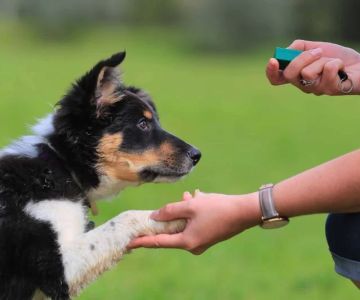
Successful training starts with preparation. Choose a quiet space with minimal distractions, gather rewards such as treats or toys, and set aside short, consistent sessions. Training works best when dogs are alert but not overly excited. At Hidden Brook Veterinary, professionals often recommend high-value treats and training tools to support consistency at home.

3. How to Teach the Sit Command
Hold a treat close to your dog’s nose and slowly move it upward. As the dog’s head follows, the body naturally lowers into a sit. Once seated, say “sit” and reward immediately. Over time, reduce the treat dependency and rely more on verbal praise. Sit is the easiest command to teach and often serves as the entry point for more advanced lessons.
4. How to Teach the Stay Command
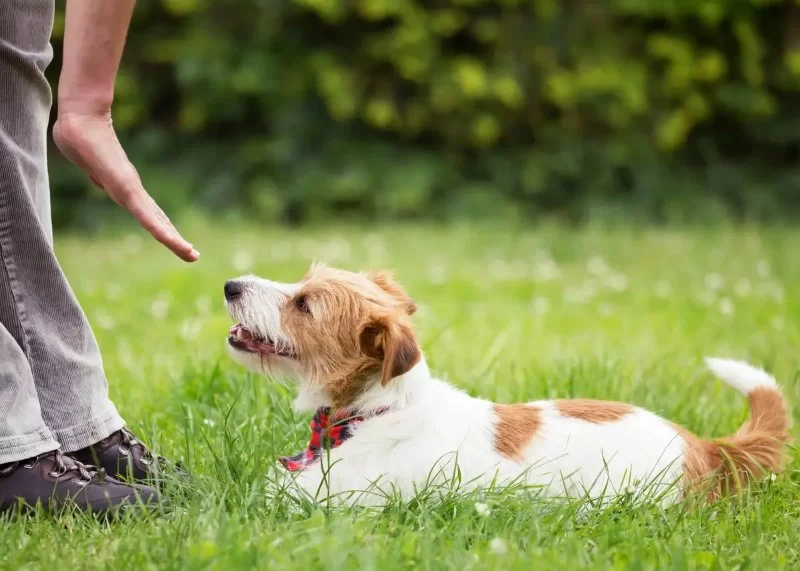
Begin with your dog in a sitting position. Hold your hand out, palm forward, and say “stay.” Step back slowly. If your dog holds position, reward after a few seconds. Gradually increase distance and time. Stay is vital for preventing dogs from bolting into traffic or approaching strangers without permission. Consistency and patience are critical here.
5. How to Teach the Come Command
Attach a long leash and allow your dog some distance. Cheerfully call “come” while gently guiding them toward you. Reward immediately when they respond. This command reinforces safety by ensuring recall during off-leash activities or emergencies. Building a positive association with returning to the owner makes the command reliable even in distracting environments.
6. Positive Reinforcement and Timing
Dogs learn best when good behavior is rewarded instantly. Treats, praise, and affection should follow commands within seconds of compliance. Veterinary research consistently supports positive reinforcement as the most effective training method. Punishment, on the other hand, often creates fear and undermines trust, slowing learning progress.
7. Common Training Mistakes to Avoid
One mistake is repeating commands too often without follow-through—this teaches dogs to ignore cues. Another is using inconsistent words or gestures, which confuses them. Owners should also avoid long, exhausting sessions. Training should be frequent but short, keeping dogs engaged without overwhelming them.
8. Real-Life Case: Owner Success
In 2025, a viral video showcased Daisy, a rescue Beagle, mastering basic commands within weeks of adoption. Her owner used only positive reinforcement, documenting progress online. Daisy’s story inspired many, showing that even anxious or untrained dogs can learn quickly with patience, consistency, and the right techniques.
9. When to Seek Professional Guidance
If progress stalls or a dog exhibits fear, aggression, or anxiety during training, professional guidance may be necessary. Clinics like Hidden Brook Veterinary can assess whether medical conditions or behavioral factors are interfering and recommend personalized training strategies or supportive products.