
How to Start a Veterinary Practice – From Idea to Grand Opening
- defining-your-vision-and-business-model-for-starting-a-veterinary-practice
- laying-the-foundation-legal-structure-location-and-financing
- building-your-dream-vet-team-equipment-hiring-and-workflow
- gaining-clients-and-trust-how-to-launch-your-vet-practice-successfully
1. Defining Your Vision and Business Model for Starting a Veterinary Practice
If you're wondering how to start a veterinary practice, the first step isn’t buying equipment—it’s defining your mission. Do you want to run a boutique wellness-focused clinic? A 24/7 emergency care center? Or perhaps a mobile veterinary unit serving rural communities? Each vision comes with its own demands and rewards.
Vet professionals often enter entrepreneurship out of a desire for independence or to serve their communities in a more personal way. Before you draft a business plan, ask yourself: Who is your ideal client? What types of services do you want to specialize in? Will your practice be high-volume or high-touch?
Clarity on these questions will shape everything else—from your pricing structure to how you train staff and promote your brand. A well-defined identity also helps you stand out in an increasingly competitive market.

2. Laying the Foundation – Legal Structure, Location, and Financing
2.1 Legal Framework and Licensing
Choosing the right legal structure—LLC, S-Corp, or sole proprietorship—will impact taxes, liability, and daily operations. It’s wise to consult a CPA familiar with healthcare businesses. You’ll also need state and federal veterinary licenses, DEA registration for controlled substances, and local zoning permits.

2.2 Location Strategy
Whether you lease a retail space or build a standalone facility, location matters. Look for areas with high pet ownership but low vet saturation. Visibility, parking, and proximity to residential zones can make or break walk-in traffic. A TikTok-viral vet in Texas gained traction purely by launching in a plaza near a dog park—sometimes location is half the marketing battle.
2.3 Financing and Funding Sources
Startup costs for a veterinary practice can range from $250,000 to over $1 million depending on scope. Financing options include SBA loans, veterinary-specific lenders, or private investors. Create a robust business plan with detailed financial projections—including equipment, salaries, leasehold improvements, and 6-12 months of working capital.
3. Building Your Dream Vet Team – Equipment, Hiring, and Workflow
3.1 Choosing the Right Equipment
Starting lean doesn’t mean under-equipping. Focus first on essentials: digital X-ray, in-house lab analyzers, anesthesia monitoring, and a well-organized surgical suite. Leasing high-end machines can reduce upfront cost. Prioritize ergonomic workspaces that support staff wellness and efficiency.
3.2 Hiring Vets, Techs, and Admin Staff
Culture fit is just as important as credentials. Hire people who align with your core values—especially when launching. Your first few team members will set the tone for everything that follows. Conduct working interviews, offer transparent expectations, and design onboarding that reinforces your mission.
Dr. Nina, who opened her feline-exclusive clinic in San Diego, shared: “My first vet tech helped me pick our software, decorate the space, and even name the cats on our logo. She wasn’t just an employee—she helped build our brand.”
3.3 Workflow and Patient Experience
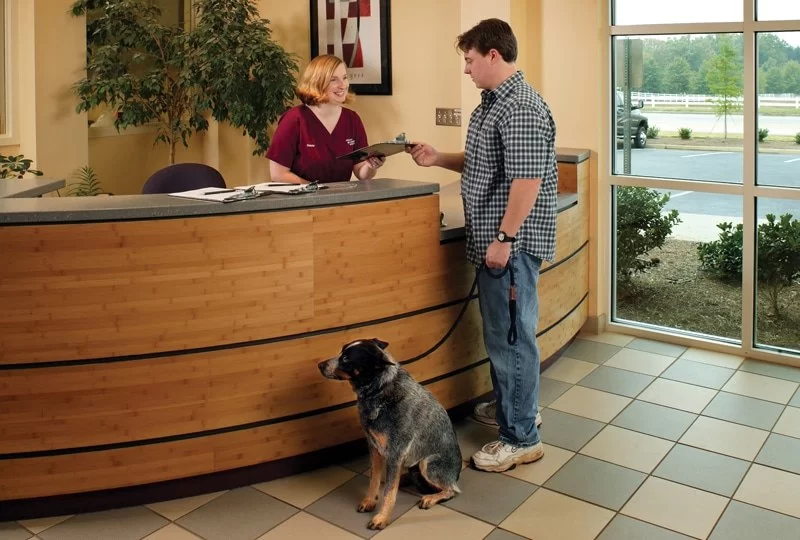
Design smooth client flow from check-in to discharge. Use cloud-based veterinary software for appointment scheduling, SOAP notes, and billing. Offer text updates or teleconsults when appropriate. Clients notice when their visit feels personalized—not rushed.
4. Gaining Clients and Trust – How to Launch Your Vet Practice Successfully
4.1 Marketing Your Veterinary Startup
Don’t wait until the clinic is open to start marketing. Build hype early with behind-the-scenes social content, open house events, and partnerships with local pet businesses. Offer early adopter discounts or wellness plan perks for your first 100 clients. A memorable brand story can turn your opening day into a community celebration.
4.2 Building a Reputation
Trust is everything. Focus on delivering care with transparency, warmth, and consistent communication. Online reviews matter—so encourage happy clients to share their stories. Consider following up with handwritten thank-you notes or post-visit feedback surveys.
4.3 Keep Learning, Keep Evolving
Starting your own practice is just the beginning. Stay engaged with continuing education, monitor industry trends, and be open to evolving your service offerings. Whether it’s telemedicine, dental care expansion, or integrative treatments—growth comes from listening to your clients and your team.
If you're serious about how to start a veterinary practice, now is the time to take the leap. With thoughtful planning and authentic purpose, your clinic can become not just a business—but a trusted pillar of your community.
Ready to bring your vision to life? Explore the tools, resources, and mentorship options available through our expert network. The journey of launching a veterinary practice may be complex—but you don’t have to do it alone. Let’s make your dream practice a reality—one pawprint at a time.








