
- #modern-2025-vet-visits - why-it-matters - fear-free-care
- #7-day-prep-checklist - carrier-training - pre-visit-pharmaceuticals
- #day-of-visit - transport-tips - calm-handling
- #at-the-clinic - cooperative-care - what-to-expect
- #aftercare - decompression - future-practice
- #real-world-cases - cat-with-bonqat - dog-with-trazodone
- #when-to-seek-help - behavior-plans - red-flags
- #how-hidden-brook-veterinary-helps - personalized-plan - services
- #faq-2025 - common-questions - quick-answers
How to Prepare Your Pet for a Vet Visit Without Stress in 2025
America loves its pets, yet many families still postpone care because the trip itself is stressful. In 2025, low-stress, behavior-aware veterinary care is easier to achieve than ever—if you prep the right way and partner with a team that treats emotional wellbeing as part of health.

Why stress-free matters for health and behavior
Fear changes how pets behave and how vets can examine them. Calm patients get better exams, safer procedures, and more accurate results. That’s why many hospitals now follow “Fear Free” protocols that actively prevent fear, anxiety, and stress (often called FAS) during visits. :contentReference[oaicite:0]{index=0}
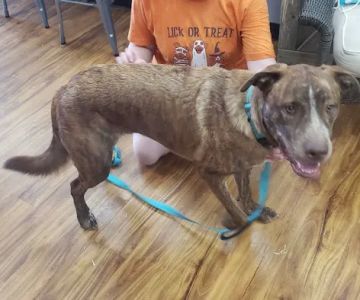
What “Fear Free” care looks like in practice
Expect gentle handling, tasty rewards, quiet spaces, and flexible exam setups (floor mats, owner’s lap, or a towel nest for cats). These methods, combined with at-home prep and, when needed, short-acting medications, meaningfully reduce stress for pets and people. :contentReference[oaicite:1]{index=1}
The 7-day prep checklist (works for dogs and cats)
Days 7–3: Normalize the carrier, crate, and handling
1) Park the carrier or crate in a quiet room with the door open. 2) Feed meals or high-value treats inside. 3) Practice short, happy “in-out” games and gentle handling (lift a lip, touch paws, peek in ears) for seconds at a time. Studies show that carrier-trained cats travel more calmly and are easier to examine—training truly pays off. :contentReference[oaicite:2]{index=2}
Days 2–1: Ask about pre-visit pharmaceuticals (PVPs)
Modern, short-acting options can take the edge off without “knocking pets out.” In cats, the FDA approved pregabalin oral solution (Bonqat) specifically for anxiety and fear tied to transportation and veterinary visits; it’s given about 1.5 hours before travel. :contentReference[oaicite:3]{index=3}
For cats when appropriate, veterinarians have also used gabapentin to reduce stress, aggression, and improve exam compliance. For dogs, a single dose of trazodone before transport has been shown to reduce behavioral and physiologic signs of stress during veterinary visits. Your vet will tailor the plan for your pet’s history and health. :contentReference[oaicite:4]{index=4}
How to discuss meds with your vet
Share past reactions, current medications/supplements, and any travel triggers (car sickness, crate panic, specific sounds). Bring your questions; a good plan often combines snacks, scent cues, and training with carefully chosen PVPs. A 2021 review summarizes the evidence across gabapentin, trazodone, oral transmucosal dexmedetomidine, and alprazolam for visit-related fear and anxiety. :contentReference[oaicite:5]{index=5}
The day of the visit: calm starts at home
Transport that lowers arousal
For cats, line the carrier with a familiar blanket, cover three sides, and place it flat and seat-belted; for dogs, use a crash-tested harness or crate and skip the pre-trip chaos. Keep the car cool and quiet, and skip strong fragrances—neutral smells help. National organizations also suggest minimizing distractions, bringing your pet’s medication list (or the bottles), and keeping children calm to maintain a “low-stim” environment. :contentReference[oaicite:6]{index=6}
Your role during check-in
Arrive a few minutes early so you’re not rushing. If the lobby is busy, ask to wait in the car until a room is ready. Keep treats flowing, speak softly, and avoid tug-of-war on leashes or forcing a carrier door—let staff guide you through low-stress handling. :contentReference[oaicite:7]{index=7}
Inside the clinic: what a low-stress exam looks like
Cooperative care and “consent behaviors”
Many teams now teach pets to “station” on a mat, rest their chin, or target a hand—signals that let staff proceed, pause, or switch approaches. This cooperative care model can shorten procedures, improve sample quality, and reduce adverse experiences that linger after the visit. :contentReference[oaicite:8]{index=8}
If stress spikes anyway
Good teams slow down, add breaks, use towel wraps for cats, examine pets on the floor, or reschedule non-urgent procedures. The goal is a medically useful exam without creating a long-term negative association. :contentReference[oaicite:9]{index=9}
Aftercare that prevents the “next-time spiral”
The first 24 hours
Offer a quiet room, predictable meals, and calm play. If your pet had PVPs, follow your vet’s dosing and activity guidance. Log what worked, what didn’t, and any triggers so your next plan is even smoother.
Keep the momentum
Repeat the easy parts weekly: carrier games for cats, mat work for dogs, and short “happy clinic” visits for weight checks or treats only. These reps turn the clinic from a scary place into a predictable one.
Real-world cases (names changed)
Luna, an 8-year-old cat who “vanished” on vet days
Luna’s family dreaded the carrier chase. Her plan: two weeks of carrier-reward games plus an at-home dose of pregabalin oral solution before travel. Result: quiet ride, calm exam, and successful bloodwork on the first poke—a sea change for everyone. :contentReference[oaicite:10]{index=10}
Max, a 3-year-old Lab who trembled in the lobby
Max practiced “settle on a mat,” did two treat-only clinic drop-bys, and received a single pre-visit dose of trazodone. On exam day he ate snacks, held a chin-rest long enough for ear cytology, and walked out wagging. :contentReference[oaicite:11]{index=11}
When vet-visit anxiety needs a deeper plan
Who can help
If your pet growls, air-snaps, pants heavily, or shuts down despite prep, ask about a step-by-step behavior plan, different medication options, and a Fear Free-style environment. Many clinics maintain relationships with behaviorists for complex cases. :contentReference[oaicite:12]{index=12}
Red flags to mention immediately
Report motion sickness, past sedation issues, heart or respiratory disease, and any history of escalating aggression. This helps your team choose the safest path, including whether to stage procedures over multiple calm visits.
How Hidden Brook Veterinary turns 2025 best practices into everyday care
A personalized, U.S.-market-ready plan for your pet
Hidden Brook Veterinary builds a home-to-hospital plan around your pet’s triggers: we script carrier or crate games, recommend the right rewards, and advise on when to consider PVPs like pregabalin for cats or trazodone for dogs. We also embrace cooperative care so your pet learns repeatable, calm behaviors for exams.
What you can expect from our team
1) Pre-visit coaching and medication counseling. 2) Quiet check-in options and species-aware rooms. 3) Handling that centers safety and kindness. 4) A written aftercare routine so each visit gets easier. When you’re ready, reach out to Hidden Brook Veterinary for the most suitable products, local service options, and recommendations tailored to your situation.
Quick answers to common 2025 questions
How soon should I start prep?
A week out is great; schedule carrier/crate games daily. Short, fun reps beat long sessions.
Are pre-visit medications safe?
When prescribed and dosed by your veterinarian, short-acting options have an evidence base for visit-related stress. Your vet will screen for medical contraindications and interactions. :contentReference[oaicite:13]{index=13}
What if my pet isn’t improving?
Circle back. Many pets need a different dose, a second agent, or more gradual goals. Adjusting the plan is normal and expected.








