
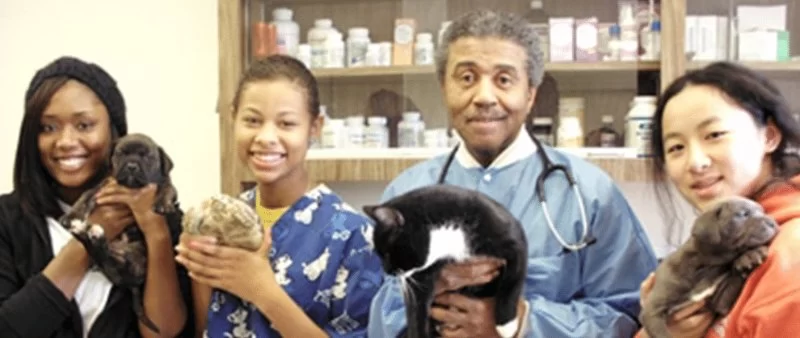
How to Increase Diversity in Veterinary Medicine
- 01 - why-diversity-matters-in-veterinary-medicine
- 02 - barriers-that-limit-diversity-in-animal-healthcare
- 03 - grassroots-initiatives-driving-change
- 04 - building-inclusive-pathways-through-education
- 05 - real-stories-of-underrepresented-veterinary-heroes
- 06 - next-steps-supporting-diversity-in-the-veterinary-field
1. Why Diversity Matters in Veterinary Medicine
Understanding how to increase diversity in veterinary medicine starts with acknowledging why it matters. A more diverse profession not only reflects the communities it serves but brings fresh perspectives to animal care, public health, and scientific research. Yet, the veterinary field remains one of the least diverse in healthcare, with people of color comprising less than 10% of practicing veterinarians in the United States.
Diverse teams foster cultural competence, improve client communication, and elevate the quality of care provided to both animals and their owners. This is not just an ethical consideration—it’s a clinical one. When veterinary professionals mirror the population they serve, animals benefit from a broader range of insights, empathy, and trust.

2. Barriers That Limit Diversity in Animal Healthcare
Increasing diversity in veterinary medicine means first confronting the systemic barriers that hinder inclusion. Economic challenges are significant—vet school is one of the most expensive forms of graduate education, often discouraging students from low-income or first-generation backgrounds. Additionally, a lack of mentorship, exposure to the profession, and implicit bias within the admissions process compounds the issue.
Rural and urban youth alike often lack access to hands-on animal experiences or role models who reflect their identity. Without visible representation or community encouragement, potential students from diverse backgrounds may not see veterinary medicine as a viable or welcoming career path. Changing this narrative requires systemic change—and intention at every level.

3. Grassroots Initiatives Driving Change
Despite challenges, many communities and organizations are making real strides in figuring out how to increase diversity in veterinary medicine. Programs like “Veterinarians as One Inclusive Community for Empowerment” (VOICE) or “Diversity Veterinary Medicine Pipeline” (DVM Pipeline) offer mentorship, scholarships, and early exposure opportunities for high school and undergraduate students.
Community clinics and animal shelters often partner with local schools to introduce underrepresented youth to animal care. These touchpoints make a massive difference. A teenager’s first volunteer experience walking dogs or shadowing a vet could spark a lifelong calling. By amplifying access points and lowering early barriers, these grassroots initiatives create sustainable, scalable change.
4. Building Inclusive Pathways Through Education
Veterinary schools hold a pivotal role in shaping the future of the profession. Admissions offices must reassess criteria to move beyond traditional academic measures and evaluate applicants holistically. Diversity statements, outreach programs, and equitable interview processes can open doors that were previously closed to many capable students.
Curriculum reform is also critical. Discussions of social determinants of health, cultural competence, and community-based veterinary care should be embedded within veterinary education. Faculty training on inclusive teaching and mentoring can create an environment where all students feel respected, supported, and seen. Schools that prioritize these values often attract a more diverse student body, proving that commitment breeds outcomes.
5. Real Stories of Underrepresented Veterinary Heroes
One of the most effective ways to inspire the next generation is by spotlighting those who have already paved the way. Dr. Tierra Price, a Black veterinarian and founder of BlackDVM Network, started her journey without knowing a single veterinarian who looked like her. Today, she’s changing the narrative by providing community, mentorship, and advocacy for underrepresented professionals across the country.
Stories like Dr. Price’s—and others like Dr. Kwane Stewart, known for providing veterinary care to the homeless—highlight the power of visibility. They show that anyone, regardless of background, can not only enter veterinary medicine but thrive in it. These narratives should be shared in classrooms, clinics, and conference halls across the industry.
6. Next Steps: Supporting Diversity in the Veterinary Field
If you’re a student wondering how to increase diversity in veterinary medicine, the first step is to connect with existing networks and mentorship programs. For professionals, it’s about creating space—whether that means mentoring a student, speaking at a local school, or supporting organizations financially.
For those in admissions, administration, or hiring roles, consider how your decisions shape the future makeup of the field. Bias training, scholarships for underrepresented groups, and targeted outreach can make a transformative difference.
And if you're a supporter, advocate, or simply someone who believes in equality in all corners of healthcare, your role is just as important. Elevate diverse voices. Celebrate inclusive clinics. Promote companies and schools that reflect the future we want to see. At every turn, ask how your actions are helping build a veterinary profession that is compassionate, competent, and truly representative of the world it serves.
For thoughtfully curated educational tools, access to mentorship resources, and top-tier inclusivity-focused veterinary services, we invite you to explore our offerings at HeartCare Hub. Together, we can expand access and rewrite what veterinary medicine looks like—for good.








