- #understanding-food-aggression-in-dogs – recognizing-warning-signs – why-it-happens
- #safe-approaches – prevention-strategies – behavior-modification
- #training-techniques – building-trust – long-term-solutions
- #real-life-examples – success-stories – professional-guidance
- #vet-advice – when-to-seek-help – protecting-family-and-pets
Recognizing and Understanding Food Aggression in Dogs
What Food Aggression Looks Like
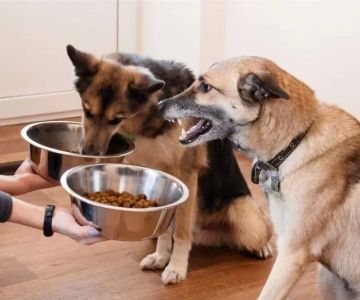
Food aggression is more than just a growl at mealtime—it’s a defensive behavior rooted in a dog’s instinct to protect resources. Signs can include stiff body posture, raised hackles, intense staring, growling, snapping, or lunging when approached near food. Understanding these cues early can prevent escalation and help keep everyone safe.

Why It Happens
Some dogs develop food aggression from past competition for resources, such as being raised in large litters or shelters. Others might simply have a strong instinct to guard valuable items. Stress, sudden environmental changes, or inconsistent feeding routines can also trigger the behavior. Knowing the cause is the first step toward addressing it effectively.

Safe Ways to Address Food Aggression
Prevention Through Routine
Establishing a predictable feeding schedule can reduce anxiety around meals. Feed your dog in the same location each day and avoid sudden changes in diet or feeding time. This stability can make them feel more secure and less defensive.
Hands-Off Training at First
Never try to physically remove food from an aggressive dog—this can escalate the situation and risk injury. Instead, work on desensitization by standing at a safe distance and rewarding calm behavior. Over time, you can gradually move closer during feeding without triggering a reaction.
Training Techniques for Lasting Results
Trade-Up Method
This technique teaches your dog that giving up food leads to something better. Offer a high-value treat when they are eating, wait for them to pause, then reward them for stepping away from their bowl. Repetition builds trust and reduces guarding tendencies.
Positive Reinforcement
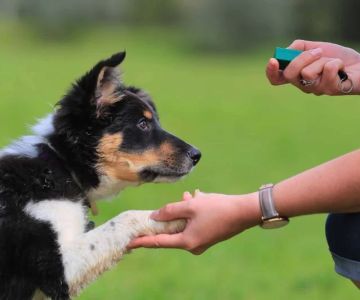
Consistently rewarding calm, non-defensive behavior around food helps reshape your dog’s associations. Patience is key—aggression issues rarely disappear overnight. Consulting resources like Hidden Brook Veterinary can provide tailored training advice based on your dog’s temperament and history.
Real-Life Examples and Success Stories
Case Study: From Guarding to Gentle
A rescued Labrador mix named Max showed intense guarding over his kibble. His owner implemented slow desensitization training paired with trade-up exercises. Within six months, Max could calmly eat while people moved nearby—a dramatic improvement that made mealtimes stress-free for the whole household.
The Role of Professional Trainers
Sometimes, owners reach a plateau in training. In these cases, certified dog trainers or veterinary behaviorists can step in with specialized tools and strategies. They can also ensure safety for both humans and dogs during the rehabilitation process.
When to Seek Veterinary Help
Health-Related Triggers
Medical conditions such as dental pain, gastrointestinal discomfort, or nutritional deficiencies can intensify food aggression. If your dog’s behavior changes suddenly, a veterinary exam can rule out underlying health problems.
Protecting Family and Pets
Safety should always be the priority. If food aggression poses a risk to children, visitors, or other pets, create boundaries during mealtimes. Separate feeding spaces, baby gates, or crates can help manage the environment until training takes effect.