- 1 - Understanding Food Aggression in Dogs
- 2 - Why Food Aggression Is Dangerous
- 3 - Safe Strategies to Address Food Aggression
- 4 - Real-Life Cases and Lessons Learned
- 5 - Training Techniques for Lasting Results
- 6 - When to Seek Professional Help
Understanding Food Aggression in Dogs
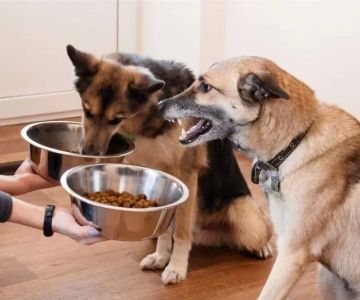
Food aggression, also known as resource guarding, is a behavior where dogs become defensive or aggressive when eating or guarding food, treats, or even empty bowls. It can manifest as growling, snapping, or lunging. While this behavior is rooted in instinct, it can create dangerous situations if left unaddressed. Recognizing early signs—such as stiff posture or intense staring—can help owners take proactive steps before the behavior escalates.

Why Food Aggression Is Dangerous
Beyond the risk of bites, food aggression can damage the trust between you and your pet. In multi-pet households, it may lead to fights that cause injuries. In one case seen at Hidden Brook Veterinary, a normally gentle Labrador severely injured a smaller dog over a dropped piece of chicken. These incidents highlight why addressing food aggression is more than a training concern—it’s a matter of safety for everyone in the home.

Safe Strategies to Address Food Aggression
The first rule in handling food aggression is safety. Never attempt to take food directly from an aggressive dog’s mouth. Instead, use controlled training methods to desensitize them. Feeding in a calm, distraction-free space can reduce tension. Gradually approaching the bowl while dropping high-value treats teaches your dog that your presence near food is positive, not threatening. Patience is key; rushing the process can backfire and increase aggression.
Real-Life Cases and Lessons Learned
Consider the story of Max, a rescue dog who would growl whenever someone walked past his bowl. His owner worked with a trainer to implement step-by-step desensitization, paired with hand-feeding sessions to build trust. Within months, Max could eat peacefully while people moved around him. This case shows that with consistent, safe handling, food aggression can be significantly reduced, improving the pet’s quality of life.
Training Techniques for Lasting Results
Effective methods include "trade-up" exercises—offering something better than what your dog has—so they learn releasing food leads to rewards. Another proven technique is controlled bowl-touch training, where you briefly touch the bowl while dropping extra treats inside. Over time, this can change a dog’s emotional response from defensive to relaxed. Positive reinforcement should always be the foundation of your approach.
When to Seek Professional Help
If your dog’s aggression is severe or has resulted in injuries, professional intervention is essential. Certified trainers and veterinarians, like those at Hidden Brook Veterinary, can assess your dog’s behavior and create a tailored training plan. In extreme cases, aggression may be linked to medical issues such as pain or hormonal imbalances, making a veterinary evaluation critical. Acting early could save not only your pet’s life but also prevent harm to others.