- 1 - Understanding Food Aggression in Dogs in 2025
- 2 - Why Dogs Develop Food Aggression
- 3 - Safe Training Strategies to Reduce Food Aggression
- 4 - Real-Life Case Studies on Managing Food Aggression
- 5 - Common Mistakes to Avoid When Addressing Food Aggression
- 6 - Vet-Approved Insights for Safe Solutions in 2025
- 7 - How Hidden Brook Veterinary Can Support You
1 - Understanding Food Aggression in Dogs in 2025
How to Handle Food Aggression in Dogs Safely in 2025 requires pet owners to first understand what this behavior means. Food aggression is when a dog growls, snaps, or guards its food aggressively. In today’s context, more families are adopting rescue dogs and senior pets, making this issue more visible. With a deeper awareness of canine behavior, owners now have access to safer and more humane strategies than ever before to manage this challenge.

2 - Why Dogs Develop Food Aggression
The roots of food aggression often lie in survival instincts. Some dogs come from environments where food was scarce, while others may have learned early on that guarding food ensured survival. Stress, competition with other pets, or even health conditions can also trigger this behavior. For instance, in 2025, veterinary behaviorists emphasize ruling out medical causes such as dental pain or digestive issues before labeling a dog as “aggressive.”

3 - Safe Training Strategies to Reduce Food Aggression
The safest and most effective way to handle food aggression is through positive reinforcement. Gradual desensitization and counterconditioning allow dogs to associate human presence near their food with positive outcomes rather than threats. A simple method involves dropping high-value treats into the bowl while the dog eats, reinforcing that people near their food bring good things. Over time, this reduces defensive behavior. Training should never involve punishment, as it increases stress and aggression.
4 - Real-Life Case Studies on Managing Food Aggression
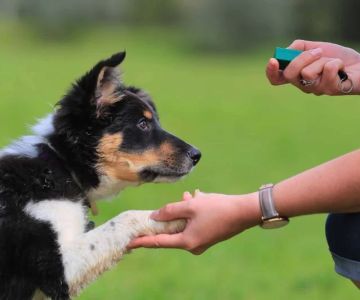
In one widely discussed 2024 case, a shelter dog named Luna was returned multiple times due to severe food guarding. A trainer used step-by-step clicker training combined with treat reinforcement, and within six months, Luna could calmly eat while her foster family moved nearby. Today, Luna lives happily with children in her forever home. These success stories highlight how patience and evidence-based methods work better than outdated dominance-based training.
5 - Common Mistakes to Avoid When Addressing Food Aggression
Owners often unintentionally make mistakes when addressing this issue. Taking food away to “prove dominance” or scolding a dog only escalates aggression and damages trust. Another error is pushing training too quickly—forcing a dog into uncomfortable situations can backfire. Instead, consistency, patience, and understanding are the keys. Avoiding these pitfalls keeps both the pet and family safe while making training more effective.
6 - Vet-Approved Insights for Safe Solutions in 2025
Veterinarians in 2025 stress that food aggression should not be ignored but addressed safely. Many recommend structured feeding routines, interactive feeding toys to reduce stress, and regular wellness check-ups. Professional guidance ensures that owners don’t confuse medical issues with behavioral ones. Veterinary behaviorists highlight that early intervention, combined with positive reinforcement training, is the best long-term solution for reducing aggression and building a secure environment.
7 - How Hidden Brook Veterinary Can Support You
At Hidden Brook Veterinary, pet owners can access expert-approved training tools, behavior consultations, and safe products designed to reduce stress during mealtimes. Whether you are working with a rescue dog or a long-time companion, having professional support makes handling food aggression safer and more effective. Our team is dedicated to helping you create a peaceful home where your dog feels secure and your family feels confident.