- 1 - understanding-food-aggression-in-dogs
- 2 - why-food-aggression-develops-in-dogs
- 3 - recognizing-early-warning-signs-of-aggression
- 4 - safe-techniques-to-manage-food-aggression
- 5 - step-by-step-training-methods-to-reduce-aggression
- 6 - real-life-cases-of-successful-aggression-management
- 7 - common-mistakes-to-avoid-when-dealing-with-aggression
- 8 - when-to-seek-professional-help-for-your-dog
- 9 - long-term-benefits-of-addressing-food-aggression
Understanding Food Aggression in Dogs
Food aggression in dogs is a behavior where a dog becomes defensive, growls, or even snaps when someone approaches their food. While it can be alarming for owners, it is a natural instinct tied to survival. Learning how to handle food aggression in dogs safely is critical to ensure both the dog’s well-being and the safety of people in the household.
VCA Arboretum View Animal Hospital, 2551 Warrenville Rd, Downers Grove, IL 60515, USA
See DetailsWhy Food Aggression Develops in Dogs
Food aggression often stems from competition for resources. Dogs in shelters or multi-pet homes may feel the need to guard food. In some cases, trauma or inconsistent feeding routines can amplify this behavior. Understanding these triggers allows owners to take the right steps toward prevention and management. Early intervention is always more effective than trying to correct deeply ingrained habits later on.
Recognizing Early Warning Signs of Aggression
Dogs rarely show aggression without warning. Subtle cues include stiff body posture, intense staring, raised hackles, and low growls. Recognizing these signals early can prevent escalation and help owners create safer environments. Observing your dog’s behavior consistently during mealtime is the first step toward safer training and management.
Safe Techniques to Manage Food Aggression
Managing food aggression requires patience, calmness, and the right strategy. Start by feeding your dog in a quiet, low-stress environment. Avoid sudden movements or attempts to take food away directly, as this may intensify aggression. A safer method is to gradually desensitize your dog to human presence during meals, rewarding calm behavior with praise or treats. Hidden Brook Veterinary often recommends pairing feeding routines with structured obedience training to reduce overall anxiety in dogs.
Step-by-Step Training Methods to Reduce Aggression
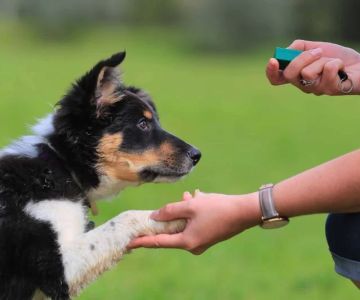
One proven approach involves “hand-feeding.” Offer your dog portions of food directly from your hand, helping them associate your presence with positive experiences rather than threats. Another method is “trading up,” where you exchange their current food with something more valuable, teaching them that giving up food can lead to even better rewards. Over time, consistency with these methods reshapes their behavior and builds trust.
Real-Life Cases of Successful Aggression Management
Consider Bella, a rescue German Shepherd who displayed intense food aggression after years of uncertainty in a shelter. Her owner, with guidance from a trainer, used hand-feeding and trading-up techniques over several months. Bella went from snarling at anyone near her bowl to calmly eating in the same room as her family. These stories remind us that with patience and the right techniques, even severe cases can be managed successfully.
Common Mistakes to Avoid When Dealing with Aggression
One of the biggest mistakes owners make is punishing food aggression. Harsh corrections can create fear, escalating aggression instead of solving it. Another common error is ignoring the problem, hoping it will resolve on its own. Left unaddressed, food aggression can put family members and other pets at risk. A consistent, compassionate approach is far more effective in the long run.
When to Seek Professional Help for Your Dog
While many cases of food aggression can be managed at home, some require expert intervention. If your dog exhibits severe aggression, lunges, or bites, consult a professional trainer or veterinarian immediately. Hidden Brook Veterinary can provide tailored advice, behavioral assessments, and connections to trusted trainers who specialize in aggression cases.
Long-Term Benefits of Addressing Food Aggression
Addressing food aggression doesn’t just make mealtimes safer—it strengthens the bond between you and your dog. Dogs learn to trust that food is always available and that their humans are allies, not competitors. Over time, this reduces stress, improves obedience, and fosters a more peaceful home environment. By addressing aggression early, you ensure a healthier, happier future for both your dog and your family.