- Understanding-Food-Aggression-in-Dogs
- Why-Dogs-Develop-Food-Aggression
- Expert-Strategies-for-Handling-Food-Aggression
- Real-Life-Cases-and-Lessons-Learned
- Safe-Training-Steps-for-Dog-Owners
- When-to-Seek-Professional-Help
- Supporting-Your-Dog-Through-Trust
Understanding Food Aggression in Dogs
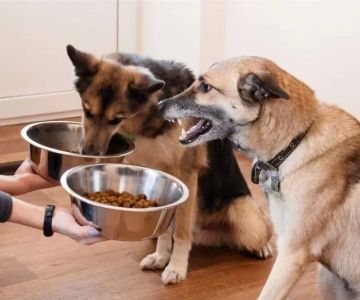
Food aggression is a common behavioral issue that many dog owners face, often showing up as growling, snapping, or guarding when food is nearby. According to experts, knowing how to handle food aggression in dogs safely starts with recognizing the underlying reasons. While some owners may panic, this behavior usually stems from instinct rather than malice. Recognizing the signs early allows for safer interactions and more effective training.

Why Dogs Develop Food Aggression
Food aggression in dogs can be traced back to survival instincts. In the wild, guarding food was essential for survival. In modern households, however, this behavior may be triggered by competition with other pets, inconsistent feeding schedules, or even past trauma. A rescued dog that has experienced hunger before may instinctively guard its meals. Understanding these root causes helps owners address the behavior with empathy instead of frustration.

Expert Strategies for Handling Food Aggression
Experts emphasize that safety must come first when addressing food aggression. One recommended strategy is desensitization—gradually teaching the dog that human presence during mealtime is not a threat. For instance, owners can start by standing at a safe distance while the dog eats, then slowly move closer over time. Another technique is trading: offering a high-value treat in exchange for the food the dog is guarding. This approach builds trust and reduces defensive behavior. At Hidden Brook Veterinary, our specialists often guide pet parents through these methods with tailored advice and ongoing support.
Real-Life Cases and Lessons Learned
Consider the case of Max, a Labrador adopted from a shelter. His new family noticed he growled every time someone walked past his food bowl. Instead of punishment, they consulted a veterinary behaviorist who implemented a gradual training plan. Within weeks, Max’s aggression diminished significantly. Stories like this show that with patience and expert guidance, food guarding can be corrected safely. It also reinforces the importance of addressing the behavior rather than ignoring it, as aggression often escalates without intervention.
Safe Training Steps for Dog Owners
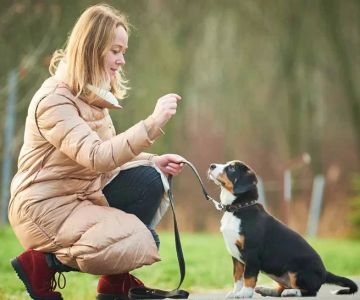
For owners wondering how to handle food aggression in dogs without professional help, there are practical steps to try at home. Always feed your dog in a calm, low-stress environment. Avoid reaching into the food bowl while the dog is eating, as this can increase anxiety. Instead, practice hand-feeding small portions to teach your dog that food comes from you, not despite you. Consistency and patience are key—rushing the process often leads to setbacks.
When to Seek Professional Help
If food aggression escalates to lunging or biting, it’s time to seek professional assistance. A certified dog trainer or veterinary behaviorist can design a program tailored to your dog’s needs. Many owners mistakenly believe aggression will disappear on its own, but in reality, unresolved food guarding can put families at risk. Consulting professionals such as those at Hidden Brook Veterinary ensures both safety and effectiveness in addressing the problem.
Supporting Your Dog Through Trust
At its core, resolving food aggression is about building trust between you and your dog. By approaching the problem with patience, consistency, and professional guidance when needed, you show your dog that food is plentiful and there’s no reason to guard it. Remember, aggression is a form of communication, not disobedience. With expert strategies and compassionate handling, even the most defensive eaters can learn to relax at mealtime.