
- 1-understanding-the-path-to-veterinary-medicine
- 2-academic-requirements-and-preparation
- 3-application-process-and-admission-tips
- 4-real-life-experiences-from-veterinary-students
- 5-moving-forward-on-your-veterinary-career-journey
1. Understanding the Path to Veterinary Medicine
For many aspiring animal lovers, how to get into veterinary medicine is a crucial question shaping their academic and professional journey. Veterinary medicine is a competitive and demanding field that requires a solid educational foundation, dedication, and practical experience.
The path typically involves undergraduate studies followed by admission into a veterinary school where students earn a Doctor of Veterinary Medicine (DVM) degree. Along the way, students must build both scientific knowledge and clinical skills to succeed.

1.1 The Importance of Early Planning
Planning your course selection and gaining relevant experience during high school and college improves your veterinary school prospects. Understanding the timeline helps you stay on track for successful admission.
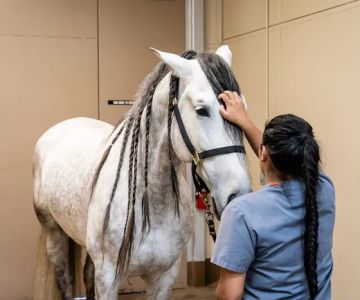
1.2 Diverse Career Opportunities
Veterinary medicine is not limited to clinical practice. Careers span research, public health, wildlife conservation, and more, making the field exciting and multifaceted.
2. Academic Requirements and Preparation
When exploring how to get into veterinary medicine, mastering prerequisite coursework is fundamental. Most veterinary programs require strong backgrounds in biology, chemistry, physics, and mathematics.
2.1 Undergraduate Degree and Prerequisites
While a specific major is not always mandatory, degrees in biology, animal science, or chemistry are common among applicants. Completing courses like anatomy, physiology, and microbiology provides a competitive edge.
2.2 Gaining Practical Experience
Veterinary schools highly value hands-on experience. Volunteering or working in veterinary clinics, shelters, or research labs demonstrates your commitment and helps develop essential skills.
3. Application Process and Admission Tips
Getting admitted to veterinary school involves more than academics. The application process often includes the Veterinary College Admission Test (VCAT), letters of recommendation, personal statements, and interviews.
3.1 Preparing a Strong Application
Highlight your academic achievements, relevant experience, and passion for veterinary medicine. Personal statements should reflect your motivations and understanding of the profession.
3.2 Interview Strategies
Interviews assess your communication skills, problem-solving ability, and ethical reasoning. Practice common questions and be ready to discuss your experiences genuinely.
4. Real-Life Experiences from Veterinary Students
Emma, a current veterinary student, shares, “Learning how to get into veterinary medicine was a marathon, not a sprint. Balancing tough coursework with volunteer work was challenging but rewarding. My advice is to stay passionate and seek mentorship—it makes a huge difference.”
Such stories reveal the dedication needed but also the fulfillment this career offers.
4.1 Lessons from Successful Applicants
Many emphasize resilience, continuous learning, and networking as keys to overcoming obstacles and securing admission.
5. Moving Forward on Your Veterinary Career Journey
Once you understand how to get into veterinary medicine, investing in preparatory materials and courses can sharpen your knowledge and confidence. Tools like test prep books, application guides, and interview workshops provide a competitive advantage.
Whether starting your undergraduate studies or preparing your application, having the right resources is crucial. Explore trusted educational products that support your ambitions and help you achieve your dream of becoming a veterinarian.
Take the next step today by equipping yourself with expert guidance and materials designed specifically for aspiring veterinary professionals.








