
Steps to Obtain a Veterinary License in Canada
- 1-Educational-Requirements-for-Veterinary-License-in-Canada
- 2-Veterinary-Licensing-Examinations-in-Canada
- 3-Practical-Experience-and-Internships
- 4-Application-Process-and-Registration
- 5-Challenges-and-Insider-Tips-for-Success
- 6-Resources-for-Aspiring-Canadian-Veterinarians
1. Educational Requirements for Veterinary License in Canada
To begin the journey of how to get a veterinary license in Canada, aspiring vets must first obtain a Doctor of Veterinary Medicine (DVM) degree from an accredited institution. Canadian students often attend one of the five veterinary colleges accredited by the Canadian Veterinary Medical Association (CVMA). International graduates may also apply but must have their credentials assessed for equivalency.
The educational program typically spans four years and combines rigorous coursework with clinical training, providing a solid foundation for veterinary practice.
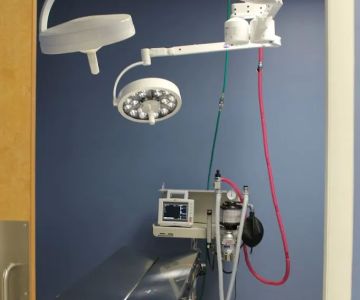
1.1 Accredited Veterinary Schools in Canada
These include institutions such as the Ontario Veterinary College and the Atlantic Veterinary College, recognized for their comprehensive training and research facilities.

1.2 Credential Assessment for International Graduates
Foreign-educated veterinarians must pass the National Examining Board of Canada (NEBC) credential evaluation before proceeding with licensing exams.
2. Veterinary Licensing Examinations in Canada
Passing the required exams is a critical step in the veterinary licensing process. Candidates must pass the National Examining Board of Canada (NEBC) Examination and the Clinical Proficiency Examination (CPE).
The NEBC exam assesses theoretical knowledge, while the CPE evaluates clinical skills through practical scenarios. Both exams ensure that veterinarians meet the standards for safe and competent practice.
2.1 Preparing for the NEBC Exam
Many candidates use preparatory courses, study groups, and practice tests to boost their chances of success.
2.2 Clinical Proficiency Exam Insights
The CPE tests hands-on skills in areas like surgery, diagnostics, and patient communication, reflecting real-world veterinary challenges.
3. Practical Experience and Internships
Gaining supervised clinical experience is often required before or during the licensing process. Internships or residencies at approved veterinary clinics or hospitals allow candidates to apply their knowledge and refine their skills under expert guidance.
This hands-on training helps bridge the gap between academic learning and professional practice, building confidence and competence.
3.1 Importance of Mentorship
Working with experienced veterinarians offers invaluable insights into day-to-day practice and professional ethics.
3.2 Internship Opportunities
Many Canadian veterinary schools and hospitals offer structured internship programs tailored for new graduates.
4. Application Process and Registration
After successfully completing exams and practical requirements, candidates apply for registration with the provincial veterinary regulatory authority where they intend to practice. Each province may have slightly different requirements and fees, so understanding local regulations is vital.
Registration typically involves submitting proof of education, exam results, and sometimes references or character assessments.
4.1 Provincial Regulatory Bodies
Examples include the College of Veterinarians of Ontario and the British Columbia Veterinary Medical Association.
4.2 Maintaining Licensure
Veterinarians must engage in continuing education and renew licenses periodically to keep practicing.
5. Challenges and Insider Tips for Success
The process of how to get a veterinary license in Canada can be demanding, with intense study, practical training, and sometimes language barriers for international applicants. Persistence and preparation are key.
Networking with professionals, joining veterinary associations, and seeking mentorship can make a significant difference.
5.1 Overcoming Exam Anxiety
Structured study plans and wellness practices help candidates remain focused and calm.
5.2 Leveraging Support Networks
Engaging with fellow applicants and professionals provides motivation and useful resources.
6. Resources for Aspiring Canadian Veterinarians
Numerous organizations and websites offer guidance, including the Canadian Veterinary Medical Association and provincial regulatory colleges. These resources provide exam guides, application details, and professional development opportunities.
Additionally, investing in quality study materials and preparatory courses can significantly improve success rates.
6.1 Educational Materials and Prep Courses
Specialized prep courses focus on exam content and clinical skills assessments.
6.2 Professional Associations and Forums
Joining veterinary forums and associations connects applicants with up-to-date information and peer support.
If you are ready to embark on this rewarding veterinary career path, exploring top preparatory resources and connecting with trusted providers can help you get your veterinary license in Canada smoothly. Consider browsing quality educational tools and support services designed specifically for veterinary professionals in Canada.








