- 1. Why Log Pet Health Data?
- 2. Best Tools for Tracking Pet Health
- 3. How to Share Pet Health Data with Your Veterinarian
- 4. Maintaining Accurate and Updated Health Records
- 5. Real-World Case Study: How Pet Health Tracking Improved Care
1. Why Log Pet Health Data?
Logging pet health data is essential for maintaining an accurate record of your pet's well-being. By tracking their health status, you are helping both yourself and your veterinarian provide the best possible care. Pet health records can include everything from vaccination schedules to symptoms, diet, and medication history. This comprehensive log helps your veterinarian monitor long-term health trends, catch early signs of illness, and make better treatment decisions.
By regularly updating and reviewing this data, pet owners can identify potential health problems early, ensuring that their pets receive timely care. This can also foster a deeper relationship with your veterinarian, as they will have more information to guide their decisions and recommendations.

2. Best Tools for Tracking Pet Health
There are several tools available that can help you effectively track your pet’s health. Some of the most popular options include:
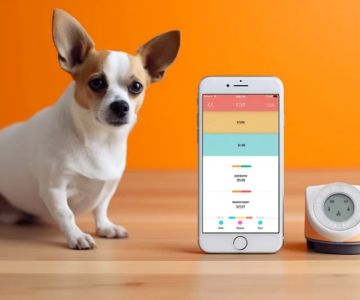
- Mobile Apps – Many apps, such as PetDesk and Pawtrack, offer simple, user-friendly ways to log your pet's health, set reminders for appointments or medications, and even connect directly with your veterinarian.
- Wearable Devices – For active pets, wearables like FitBark and Whistle can track activity, sleep, and other health metrics, allowing owners to monitor their pet’s physical well-being over time.
- Spreadsheets or Journals – If you prefer a more traditional approach, you can create a personalized health log using spreadsheets or even a simple notebook to track your pet’s diet, behavior, and health notes.
Choosing the right tool depends on your pet's needs and your personal preferences. If your pet has a complex medical history, using an app or wearable device can provide the most detailed data to share with your veterinarian.

3. How to Share Pet Health Data with Your Veterinarian
Sharing your pet’s health data with your veterinarian is vital for ensuring they receive personalized and up-to-date care. Here are a few ways to share this information:
- Via Email – Many veterinary clinics offer secure methods for sending pet health records directly via email. Make sure to inquire about the best format and security practices when sending this sensitive information.
- Using Vet Portals – Some veterinary clinics have online portals that allow you to upload pet health records, appointments, and other essential data for easier access by your veterinarian.
- Physical Copies – If digital sharing is not an option, you can always bring physical copies of your pet’s health records to your veterinary visits, ensuring that your vet has all the necessary information to proceed with treatment.
Make sure to keep your records organized and up to date to make sharing smooth and effective. It's important to provide both recent and past health data so your veterinarian has a clear view of your pet’s entire health history.
4. Maintaining Accurate and Updated Health Records
To make sure your pet’s health data remains useful and accurate, here are some tips for maintaining up-to-date records:
- Set Reminders – Set recurring reminders for regular health check-ups, vaccinations, and treatments. This will help ensure you don’t miss any important updates.
- Include Details – When logging symptoms or changes in behavior, include as many details as possible. Even small changes can provide clues to underlying health issues.
- Review Periodically – Regularly review your pet’s health data to spot trends and make adjustments to their care routine. It’s important to stay proactive and attentive to any changes in their health.
By keeping these records organized and detailed, you’ll be better prepared for any visits to the vet, and you’ll be helping them provide more effective and targeted care for your pet.
5. Real-World Case Study: How Pet Health Tracking Improved Care
Consider the case of “Buddy,” a 5-year-old golden retriever with a history of allergies. His owner, Jessica, began tracking his diet, symptoms, and behavior using the PetDesk app. Over time, Jessica noticed that Buddy’s symptoms worsened when he consumed a particular type of treat. She shared this information with her veterinarian during their next visit, which led to a change in his diet and a prescription for medication to manage his allergies.
This simple act of logging and sharing health data significantly improved Buddy’s quality of life, as his symptoms became more manageable. Jessica’s experience highlights the power of regular tracking and communication with your veterinarian, ensuring that pets receive the best care possible.
At Hidden Brook Veterinary, we encourage pet owners to track and share their pets' health data. This approach can not only improve the care your pet receives but also ensure a deeper connection with your veterinarian. Explore our selection of pet care products and services to ensure your furry friend stays healthy and happy.