
- 1- Introduction: Understanding the PCV Test in Veterinary Medicine
- 2- Step-by-Step Guide: How to Perform a PCV Test
- 3- Why the PCV Test is Important for Your Pet's Health
- 4- Detailed Steps to Conduct a PCV Test on Your Pet
- 5- Interpreting the Results of a PCV Test
- 6- Common Challenges When Performing a PCV Test
- 7- Alternatives and Complementary Tests for PCV
- 8- Conclusion: The Role of PCV in Veterinary Diagnostics
1- Introduction: Understanding the PCV Test in Veterinary Medicine
The Packed Cell Volume (PCV) test is one of the most common blood tests performed on animals, helping veterinarians assess the overall health of a pet, particularly their blood's health. The test measures the proportion of red blood cells in the blood, providing insight into hydration levels, anemia, or potential infection. Knowing how to perform a PCV test can give pet owners valuable information about their pet's health and help them make informed decisions. In this article, we'll discuss the steps involved in performing a PCV test and how you can interpret the results to understand your pet’s condition better.
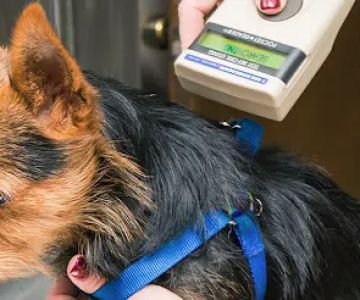
2- Step-by-Step Guide: How to Perform a PCV Test
Performing a PCV test in a veterinary setting typically involves collecting a small sample of blood from the pet, which is then spun in a centrifuge to separate the red blood cells from the plasma. The process is relatively straightforward but requires attention to detail to ensure accuracy. Here are the general steps involved:
- Step 1: Preparation - Gather all necessary materials, including a clean syringe or needle, a blood collection tube, and a centrifuge. Make sure the pet is calm and comfortable before starting.
- Step 2: Blood Collection - Gently restrain the pet to collect blood from a vein, often from the jugular or cephalic vein. The blood sample should be collected into a tube that is properly labeled.
- Step 3: Centrifugation - Once the blood is collected, place the tube into the centrifuge. Set the centrifuge to spin at the appropriate speed and duration (typically 10 minutes at 10,000 RPM).
- Step 4: Analyzing the Sample - After centrifugation, the blood will separate into layers. The red blood cells will form a layer at the bottom, while the plasma will rise to the top. Measure the height of the red blood cell layer to determine the PCV percentage.
3- Why the PCV Test is Important for Your Pet's Health
The PCV test is a crucial diagnostic tool because it provides immediate information about a pet’s blood composition. A low PCV percentage may indicate anemia, which can result from various conditions, such as bleeding, bone marrow issues, or chronic disease. Conversely, a high PCV could indicate dehydration, polycythemia, or other blood disorders. Regular PCV testing can help detect early signs of these issues before they develop into more serious problems. By keeping track of your pet's PCV results, veterinarians can monitor your pet’s health and adjust treatments as needed.

4- Detailed Steps to Conduct a PCV Test on Your Pet
Here is a more in-depth explanation of the steps involved in performing a PCV test:
- Step 1: Prepare Your Equipment - You will need a sterile needle and syringe, a blood collection tube (with an anticoagulant), and a centrifuge. Make sure all items are ready and within reach to avoid contamination or errors.
- Step 2: Restrain the Pet - For small animals, you can hold them gently. Larger animals may require additional assistance or sedation. It’s important to ensure the animal is comfortable and as calm as possible to avoid unnecessary stress.
- Step 3: Draw Blood - Locate the vein (typically the jugular vein for larger pets and the cephalic vein for smaller ones) and insert the needle to draw blood. Be careful to not introduce air bubbles into the syringe, as it can affect the test results.
- Step 4: Place the Blood Sample in a Tube - After collecting the blood, place it into a labeled collection tube. This tube should contain an anticoagulant to prevent the blood from clotting.
- Step 5: Centrifuge the Sample - Place the collection tube into the centrifuge and spin it at the correct RPM for the specified duration. This will separate the blood into its components: plasma, white blood cells, and red blood cells.
- Step 6: Measure the PCV - After centrifugation, use a PCV reader or a ruler to measure the percentage of the red blood cell layer compared to the whole blood volume. This will give you the PCV result.
5- Interpreting the Results of a PCV Test
Once the PCV test is complete, understanding the results is crucial for determining your pet's health status:
- Normal Range: A normal PCV for dogs is typically between 37% and 55%, while for cats, it is between 30% and 45%. Values can vary based on the breed, age, and overall health of the pet.
- Low PCV: A low PCV suggests anemia, which may be caused by blood loss, bone marrow disease, or chronic illness. It’s essential to follow up with your veterinarian for further diagnostic testing.
- High PCV: A high PCV can indicate dehydration or polycythemia. If your pet is dehydrated, fluid therapy may be required, while polycythemia might require more extensive investigation into the cause.
6- Common Challenges When Performing a PCV Test
While the PCV test is straightforward, there are some challenges to be aware of:
- Sample contamination: If the blood sample is mishandled or contaminated, it may yield inaccurate results.
- Inadequate centrifuge speed: If the centrifuge is not set correctly, the blood may not separate properly, affecting the test’s accuracy.
- Incorrect readings: Misinterpreting the PCV results can lead to incorrect conclusions about your pet’s health, so it's important to have an experienced veterinarian review the findings.
7- Alternatives and Complementary Tests for PCV
If the PCV test shows abnormal results, other diagnostic tests might be necessary to get a clearer picture of your pet's health:
- Complete Blood Count (CBC): A CBC test can help identify additional blood-related issues such as infections, inflammation, and various diseases affecting blood cells.
- Blood Chemistry Panels: These tests provide insight into the functioning of various organs, including the liver, kidneys, and pancreas.
- Urinalysis: A urinalysis can be useful in identifying dehydration, kidney function, and signs of infection.
8- Conclusion: The Role of PCV in Veterinary Diagnostics
Performing a PCV test is a simple yet valuable procedure that helps veterinarians assess a pet's health. By understanding how to do a PCV test, you can ensure that your pet receives timely care for conditions like anemia, dehydration, and other blood-related issues. Regular monitoring of your pet's health through such tests can lead to early detection of potential problems, ensuring that they get the best possible treatment. If you're concerned about your pet’s health, reach out to a trusted veterinary clinic such as Hidden Brook Veterinary for expert care and guidance.








