- #how-to-crate-train-a-puppy-without-causing-anxiety - vet-approved-insights - gentle-training-methods - positive-reinforcement
- #understanding-puppy-behavior - stress-signs - building-trust - comfort-association
- #step-by-step-crate-training - introduction-phase - gradual-timing-increases - nighttime-training
- #real-life-examples-and-stories - common-owner-mistakes - successful-case-studies - professional-guidance
- #expert-tips-and-hidden-brook-veterinary-resources - anxiety-prevention - crate-selection - long-term-benefits
How to Crate Train a Puppy Without Causing Anxiety - Vet Approved Insights
Crate training is often recommended by veterinarians as one of the most effective ways to teach a puppy structure, safety, and independence. However, many pet parents worry about the potential for anxiety if crate training isn’t done correctly. With proper methods and a clear understanding of puppy behavior, crate training can become a positive experience that benefits both the dog and the owner.

Understanding Puppy Behavior and Anxiety Triggers
1) Why puppies resist crates
Puppies are naturally curious and social. The idea of confinement can feel uncomfortable if they associate it with punishment or isolation. Recognizing that resistance is normal helps owners approach training with patience rather than frustration.
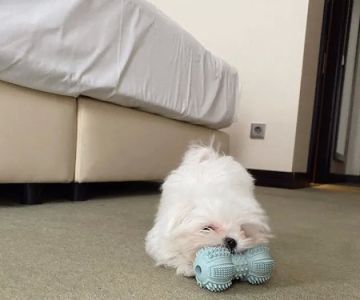
2) Early signs of stress
Whining, scratching at the crate door, or pacing inside are common indicators that a puppy is feeling anxious. Veterinarians stress the importance of distinguishing between normal adjustment behavior and signs of prolonged stress that could harm emotional development.
3) Building trust and comfort
The key to stress-free crate training is creating a positive association. Simple steps, such as adding a favorite toy or soft blanket, help the crate feel like a safe retreat instead of a closed cage. Owners who approach training gradually often report more success in reducing anxiety.
Step-by-Step Crate Training: Vet Approved
4) Introduction phase
Begin by leaving the crate door open and encouraging your puppy to explore freely. Reward them with treats whenever they enter on their own. This helps the crate become an inviting space rather than a forced one.
5) Gradual timing increases
Once the puppy is comfortable, start with very short sessions—just a few minutes with the door closed. Over several days, increase the time in small increments. Many successful cases show that slow progress reduces resistance and prevents stress from building.
6) Nighttime training
Placing the crate near your bed during the first weeks can reassure your puppy with your presence. Over time, you can move the crate gradually to its intended location. This approach balances comfort with independence, minimizing separation anxiety.
Real-Life Examples and Stories
Many dog owners share stories of trial and error in crate training. For example, one family rushed the process by leaving their puppy crated for hours on day one, leading to restlessness and barking. With guidance from a veterinarian, they restarted slowly—this time using treats and short intervals. Within two weeks, the puppy voluntarily went into the crate for naps, showing how patience can transform the experience.
In another case, a rescue puppy with past trauma initially resisted confinement. The owner worked closely with a vet to incorporate gentle methods like feeding meals inside the crate and rewarding calm behavior. Over time, the crate became the puppy’s favorite safe zone, proving that even anxious dogs can learn to love crate time when training is handled thoughtfully.
Expert Tips and Hidden Brook Veterinary Resources
Veterinarians recommend choosing the right crate size—large enough for movement but not so big that the puppy feels insecure. Additionally, consistency is crucial. Training should be paired with regular potty breaks, exercise, and bonding activities to ensure the crate doesn’t become a place of boredom or frustration.
For pet owners looking for reliable guidance, Hidden Brook Veterinary offers vet-approved resources, supplies, and personalized support to make crate training effective and anxiety-free. From crate selection to tailored training advice, professional insights ensure that your puppy develops healthy habits while feeling safe and loved.