- 1 - Why Crate Training Matters
- 2 - How to Crate Train a Puppy Without Causing Anxiety
- 3 - Building Positive Associations with the Crate
- 4 - Step-by-Step Methods for Effective Crate Training
- 5 - Real-Life Cases of Crate Training Success
- 6 - When to Seek Professional Guidance
Why Crate Training Matters
Crate training is more than just a convenience—it can be lifesaving. A properly crate-trained puppy views the crate as a safe space, which can prevent accidents, reduce stress during travel, and even provide protection in emergencies. For example, during home evacuations caused by wildfires, many dogs remain calm and safe inside their crates, sparing them panic and potential injury. This is why learning how to crate train a puppy without causing anxiety that could save your pet’s life is essential for every responsible pet owner.

How to Crate Train a Puppy Without Causing Anxiety
The biggest mistake new pet parents make is using the crate as punishment. This creates fear and resistance. Instead, the crate should represent security and comfort. Training requires patience, positive reinforcement, and gradual exposure. Think of the crate as a cozy den that mirrors a dog’s natural instincts rather than a cage. This perspective shift transforms crate training from a struggle into a bonding experience between you and your puppy.
Building Positive Associations with the Crate
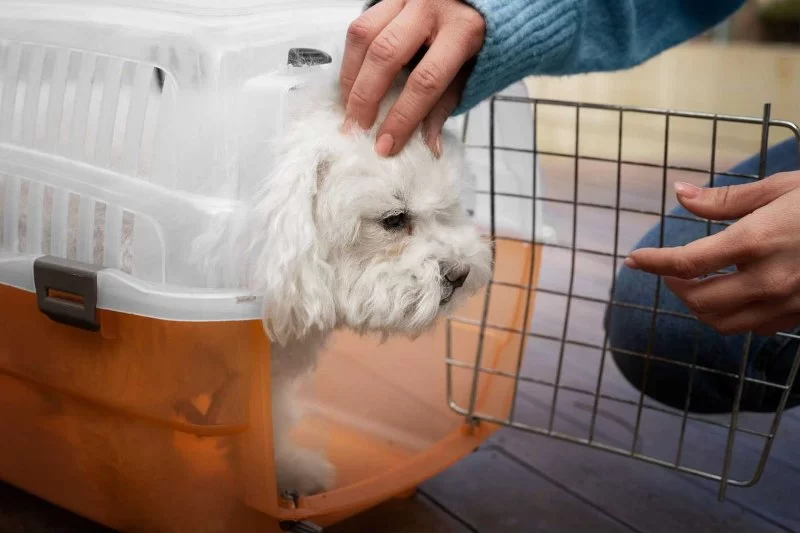
To avoid anxiety, every introduction to the crate should be positive. Start by placing treats, toys, or meals inside the crate to create a rewarding association. Use soft bedding and keep the crate in an area where your family spends time, so the puppy doesn’t feel isolated. Over time, your puppy will naturally choose to rest inside. This slow and steady process reinforces calm behavior and prevents anxiety from ever developing.
Step-by-Step Methods for Effective Crate Training
Successful crate training follows progressive stages:
- Initial introduction: Allow the puppy to explore the crate freely with the door open.
- Short closures: Close the door for a few seconds at a time, then gradually increase the duration.
- Practice departures: Leave the room briefly to help your puppy adjust to being alone.
- Overnight use: Once the puppy is comfortable, begin crate sleeping at night, ensuring bathroom breaks are scheduled appropriately.
Real-Life Cases of Crate Training Success
One remarkable story involves a young Labrador named Daisy. Her owners invested time in positive crate training, and months later, during a severe storm, Daisy calmly rested inside her crate while the family sought shelter. Conversely, a neighbor’s dog without crate experience panicked, injured itself, and required emergency care. These contrasting experiences demonstrate how crate training can literally save lives during chaotic situations.
When to Seek Professional Guidance
If your puppy shows signs of extreme distress—such as nonstop howling, drooling, or destructive scratching—professional guidance is recommended. Anxiety-driven behaviors can escalate quickly without the right approach. Veterinary professionals and trainers can provide tailored advice to ensure both safety and comfort. For personalized recommendations and high-quality products that support calm training, visiting Hidden Brook Veterinary is an excellent step for pet parents who want to do right by their dogs.
By mastering how to crate train a puppy without causing anxiety that could save your pet’s life, you provide your puppy with security, build lifelong trust, and safeguard their well-being in everyday and emergency situations alike.