- understanding-crate-training-in-2025 - Understanding Crate Training in 2025
- why-anxiety-happens-and-how-to-prevent-it - Why Anxiety Happens and How to Prevent It
- step-by-step-gentle-crate-introduction - Step-by-Step Gentle Crate Introduction
- real-life-crate-training-success-stories - Real-Life Crate Training Success Stories
- creating-a-long-term-crate-training-plan - Creating a Long-Term Crate Training Plan
Understanding Crate Training in 2025
Crate training has evolved significantly in recent years, with 2025 bringing new insights into canine psychology. Today, experts emphasize that a crate should be a safe haven, not a place of punishment. This shift has helped reduce anxiety and made crate training more effective for both puppies and owners.
With a focus on positive reinforcement and gradual introduction, crate training now aligns with the latest understanding of how puppies form emotional associations. The crate becomes their personal den — a place they choose to enter because it feels safe and comfortable.
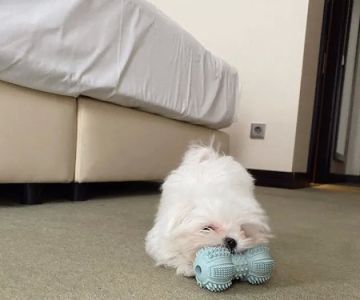
Why Anxiety Happens and How to Prevent It
1. Sudden Confinement Without Preparation
Placing a puppy in a crate without any gradual introduction can trigger stress. Puppies are naturally curious and social; abrupt separation from their environment may feel like isolation.

2. Overuse of the Crate
Using the crate for long, uninterrupted periods during the day can lead to negative associations. Puppies need interaction, play, and regular potty breaks to stay happy and healthy.
3. Lack of Comfort Inside the Crate
Crates that are bare or uncomfortable can create anxiety. Adding soft bedding, a familiar toy, and even a worn shirt with your scent can make the space more inviting.
Step-by-Step Gentle Crate Introduction
Start with an Open Door Policy
Leave the crate door open and allow your puppy to explore it freely. Place treats and toys inside to build a positive association without any pressure to stay inside.
Short, Positive Sessions
Begin with just a few minutes in the crate while you remain nearby. Gradually extend the time as your puppy becomes more comfortable, always ending sessions on a positive note.
Pair with Mealtime
Feeding your puppy in the crate helps reinforce the idea that it’s a pleasant space. Over time, the crate will become associated with comfort and nourishment.
Nighttime Routine
Place the crate in your bedroom during the first few nights so your puppy can hear and smell you. This proximity reduces anxiety and helps the puppy settle faster.
Real-Life Crate Training Success Stories
In Denver, a family adopted a mixed-breed puppy named Luna who would cry whenever she was placed in her crate. By introducing the crate slowly and pairing it with puzzle feeders, Luna’s anxiety transformed into eager anticipation at crate time within three weeks.
Another case in Seattle involved a golden retriever puppy named Milo. His owner used soft music and a lavender-scented blanket in the crate, which helped him sleep through the night without whining after just five days of training.
Creating a Long-Term Crate Training Plan
Long-term success with crate training comes from consistency and empathy. Maintain a routine, avoid using the crate as punishment, and continue to make it a rewarding space. As your puppy matures, the crate will remain a place of comfort rather than confinement.
For personalized crate training advice and anxiety-prevention strategies tailored to your dog’s personality, Hidden Brook Veterinary offers expert guidance to ensure your puppy grows into a confident, well-adjusted companion.