- Why Crate Training Matters for Puppies
- How to Start Crate Training Without Causing Anxiety
- Avoiding Anxiety During Puppy Crate Training
- Real-Life Examples of Successful Puppy Crate Training
- Support from Hidden Brook Veterinary
Why Crate Training Matters for Puppies
Crate training is more than just a convenience for pet owners—it’s a way to provide puppies with a safe and comforting space of their own. Dogs are den animals by nature, and a crate can become a secure retreat where your pup feels protected. When done correctly, crate training also plays an important role in housebreaking and preventing destructive behavior. However, if rushed or mismanaged, it can lead to stress and long-term anxiety, which is why a careful approach is critical.

How to Start Crate Training Without Causing Anxiety
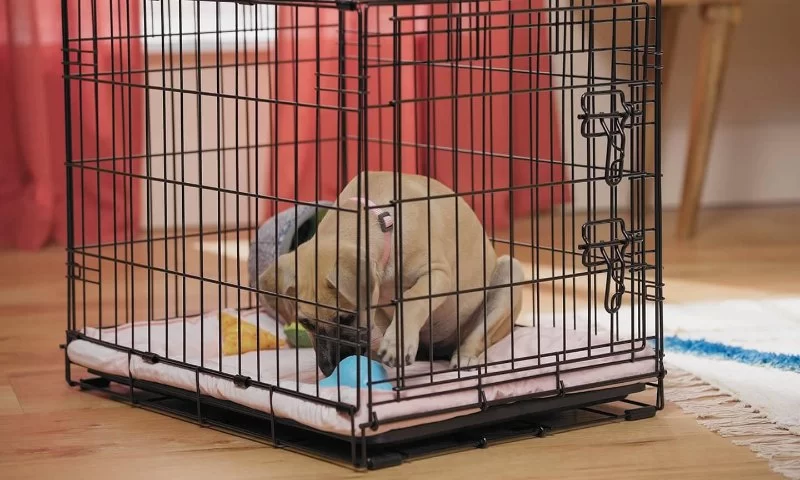
The key to successful crate training is gradual introduction. Place the crate in a room where your puppy spends most of their time, and keep the door open so they can explore freely. Use soft bedding, toys, and treats to make it inviting. Start with short sessions—just a few minutes at a time—and extend gradually as your puppy becomes comfortable. For example, one family in Texas reported success by feeding their puppy inside the crate from day one, helping the pup associate it with positive experiences like mealtime.

Avoiding Anxiety During Puppy Crate Training
Owners often make the mistake of using the crate as punishment, which creates negative associations. Instead, the crate should be linked to relaxation and reward. If your puppy whines or scratches at the crate, avoid opening it immediately, as this can reinforce the behavior. Instead, wait for a calm moment before letting them out. It’s also important to balance crate time with plenty of exercise, play, and social interaction so your puppy doesn’t feel isolated. Consistency and patience prevent fear and turn the crate into a safe haven.
Real-Life Examples of Successful Puppy Crate Training
One widely shared case on social media involved a Golden Retriever puppy that initially resisted crate training. The owners documented their journey of slowly increasing crate time and using calming aids like a blanket with the mother’s scent. Within a month, the puppy began entering the crate voluntarily for naps. Another example comes from a rescue group in California, where crate training was critical for helping anxious puppies adjust to their new homes. These stories highlight how patience and a positive approach lead to success.
Support from Hidden Brook Veterinary
At Hidden Brook Veterinary, we understand the challenges of crate training and the importance of doing it without causing anxiety. Our experts provide guidance on creating positive routines, choosing the right crate size, and handling setbacks with confidence. Whether you’re training a young puppy or helping a rescue dog adapt, our team offers personalized advice to ensure crate training becomes a positive and beneficial experience for your pet.