
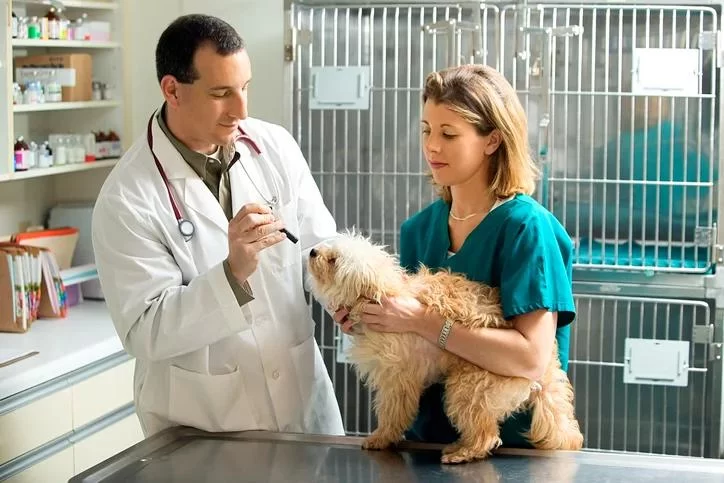
How to Become a Veterinarian in Singapore: Your Path to a Rewarding Veterinary Career
- 1-Understanding-Veterinary-Career-in-Singapore
- 2-Educational-Requirements-and-Vet-Schools
- 3-Steps-to-Apply-and-Get-Admitted
- 4-Training-and-Clinical-Experience
- 5-Career-Opportunities-for-Vets-in-Singapore
- 6-Real-Life-Insights-and-Advice
- 7-Resources-for-Further-Support
1. Understanding Veterinary Career in Singapore
Choosing to become a veterinarian in Singapore means dedicating yourself to the care and wellbeing of animals, a profession both challenging and deeply rewarding. Veterinary doctors in Singapore play vital roles in pet health, public safety, and even wildlife conservation.
The demand for skilled vets is steadily growing as pet ownership rises and awareness of animal welfare increases.

1.1 The Role of Veterinarians in Singapore’s Society
Veterinarians in Singapore are involved in clinical care, research, and policy-making, contributing to animal health and public health alike.

2. Educational Requirements and Vet Schools
The educational journey to becoming a vet in Singapore typically starts with a strong foundation in sciences during pre-university studies. Prospective students must then complete a veterinary degree, which is not currently offered locally but can be pursued at recognized institutions abroad.
2.1 Recognized Veterinary Schools Abroad
Many Singaporean students choose universities in Australia, the UK, or the US, such as the University of Sydney or Royal Veterinary College, that are accredited and recognized by Singapore’s veterinary authorities.
2.2 Entry Requirements
Competitive grades in biology, chemistry, and mathematics, along with relevant experience, strengthen applications.
3. Steps to Apply and Get Admitted
Application processes vary by institution but generally include submitting academic records, recommendation letters, and personal statements highlighting your passion for veterinary medicine.
Some universities require aptitude tests or interviews to assess candidates’ suitability.
4. Training and Clinical Experience
Veterinary programs involve rigorous coursework and extensive hands-on clinical training to develop practical skills. Internships or externships in veterinary clinics provide invaluable real-world exposure.
4.1 Licensing and Registration in Singapore
After graduation, vets must obtain licensure through the Singapore Veterinary Authority by fulfilling registration requirements and passing necessary examinations.
5. Career Opportunities for Vets in Singapore
Veterinarians in Singapore can work in private clinics, animal hospitals, research institutions, or government agencies. Specializations such as surgery, dermatology, or exotic animal care offer diverse career paths.
6. Real-Life Insights and Advice
Jessica, who studied veterinary medicine abroad and returned to Singapore, shares that perseverance and gaining diverse clinical experiences were key to her success. She emphasizes networking with local vets and continuous learning to adapt to Singapore’s unique veterinary landscape.
7. Resources for Further Support
For aspiring veterinarians looking to explore programs, scholarships, or professional guidance, consulting trusted platforms and educational advisors is essential. These resources provide updated information to navigate the path efficiently.
Taking the first step on how to become a veterinarian in Singapore starts with informed decisions, supported by expert advice and access to quality veterinary education materials.








