
How to Become a Poultry Veterinarian: Step-by-Step Guide With Real Insights
- understanding-the-role-of-a-poultry-veterinarian-What-This-Career-Really-Involves
- education-path-to-become-a-poultry-vet-Vet-School-and-Specialization
- clinical-training-and-certification-Hands-On-Experience-Matters
- real-life-story-of-a-poultry-vet-One-Vet’s-Journey-From-Student-to-Industry-Expert
- career-opportunities-in-poultry-veterinary-field-Where-You-Can-Work
- ready-to-start-poultry-veterinary-career-Your-First-Step-Toward-a-Fulfilling-Profession
1. What This Career Really Involves
1.1 A Highly Specialized Veterinary Field
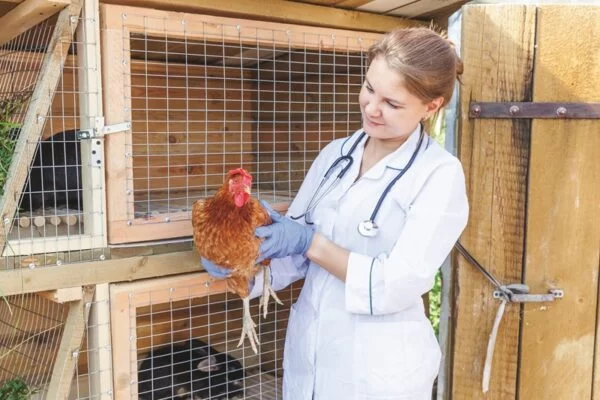
If you're wondering how to become a poultry veterinarian, you're already ahead of the curve. This is a highly specialized but deeply rewarding niche in veterinary medicine. Poultry veterinarians focus on the health, disease prevention, and productivity of chickens, turkeys, ducks, and other fowl—often in commercial farm settings where biosecurity is critical.

1.2 More Than Just Chickens
While chickens may be the face of the field, poultry vets often work with entire flocks numbering in the thousands. Responsibilities can include developing vaccination protocols, diagnosing infectious outbreaks, advising on nutrition, and even consulting on public health issues related to zoonotic diseases like avian influenza.
110 Marketside Avenue #203, Ponte Vedra Beach, FL 32081, USA
See Details2. Vet School and Specialization
2.1 Academic Foundation
To pursue a career in poultry medicine, you’ll need to begin with a Bachelor’s degree—ideally in animal science, biology, or a related field. Strong performance in prerequisites like organic chemistry, microbiology, and physiology is essential to secure a spot in veterinary school.
2.2 Veterinary School and Choosing a Track
Once admitted to a Doctor of Veterinary Medicine (DVM) program, students can begin exploring avian medicine through electives, research opportunities, and internships. Schools like North Carolina State University, Iowa State, and University of Georgia offer specialized poultry programs or industry partnerships for hands-on exposure.
3. Hands-On Experience Matters
3.1 Internships and Externships in Poultry Settings
Experience is crucial in learning how to become a poultry veterinarian. Many future poultry vets spend time in externships with commercial poultry farms or pharmaceutical companies. These real-world experiences help students apply clinical concepts to flock management, which is quite different from treating household pets.
3.2 Board Certification and Advanced Training
Though not required, certification through the American College of Poultry Veterinarians (ACPV) significantly boosts credibility and job prospects. To qualify, candidates need at least 3 years of experience in poultry practice or a residency program, plus a successful board exam.
4. One Vet’s Journey From Student to Industry Expert
4.1 Dr. Carson's Career in Commercial Poultry
Dr. Rachel Carson, a poultry veterinarian based in Arkansas, didn’t start out knowing she’d love chickens. “It was during a summer externship that I visited a broiler farm—and I was hooked,” she says. Today, she oversees health protocols for over 1 million birds across several farms. Her daily duties include investigating outbreaks, consulting on feed formulations, and mentoring new vet graduates entering the field.
4.2 Balancing Science and Industry
What Dr. Carson loves most is the blend of biology and real-world problem-solving. “You’re not just saving a bird—you’re protecting food supply, public health, and farmer livelihoods. It’s meaningful work that impacts thousands every day.”
5. Where You Can Work
5.1 Industry, Academia, and Government
Graduates pursuing this path can work in various environments: corporate poultry production, pharmaceutical R&D, university teaching, or regulatory roles with the USDA or CDC. Demand is particularly strong in areas like the southern U.S., where poultry farming is a major economic driver.
5.2 Salary Expectations and Growth
According to the American Veterinary Medical Association, poultry veterinarians often earn between $90,000–$130,000 annually, depending on experience and role. The demand for food animal vets is rising, making this one of the most secure and high-impact careers in the veterinary field.
6. Your First Step Toward a Fulfilling Profession
6.1 Invest in the Right Resources
If you’re serious about figuring out how to become a poultry veterinarian, now is the time to begin building your foundation. Explore vet schools with strong avian programs, seek out internships, and build connections in the field. Tools like poultry health management software, pathology kits, and training modules can also sharpen your expertise.
6.2 Begin Your Journey With Confidence
Whether you’re just beginning your pre-vet studies or already in veterinary school, choosing poultry medicine offers a chance to make a real-world impact in agriculture, public health, and animal welfare. Equip yourself with the right knowledge, network with experienced professionals, and take the first step toward becoming a leading voice in the future of poultry animal health.
Ready to get started? Explore educational tools, certification programs, and veterinary career resources designed for future poultry specialists. The path may be specialized—but for those who choose it, the rewards are uniquely impactful.








