
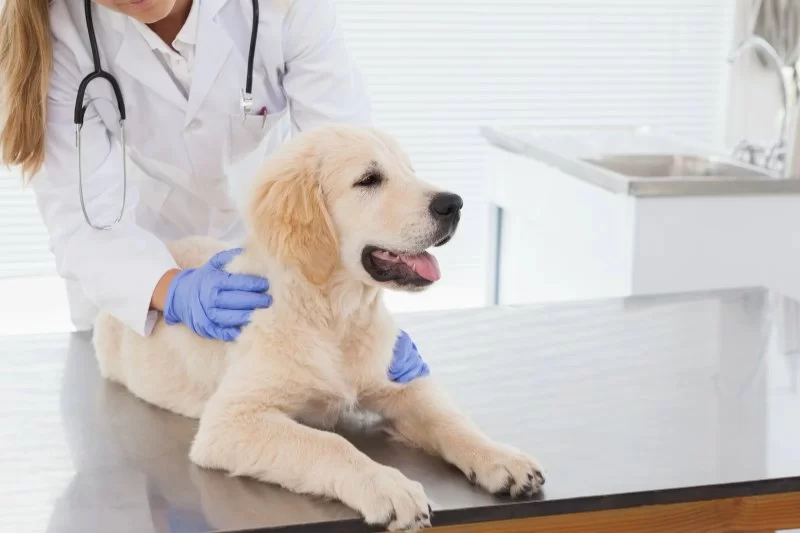
How Often Should You Take Your Dog to the Vet? A Breed-by-Breed Guide in 2025
As a responsible dog owner, one of the most important aspects of your pet’s health is regular veterinary visits. But how often should you take your dog to the vet? The answer depends largely on your dog’s breed, age, and overall health. In this comprehensive guide, we’ll break down how frequently your dog should visit the vet in 2025, providing a breed-by-breed guide to help you keep your dog in the best health possible.
- 1. Importance of Regular Vet Checkups
- 2. Dog Breeds and Their Specific Vet Needs
- 3. Vet Visits for Puppies and Senior Dogs
- 4. Common Health Issues in Dogs and the Role of Vet Visits
- 5. How to Find the Right Vet for Your Dog
1. Importance of Regular Vet Checkups
Regular vet visits are essential for ensuring that your dog stays healthy and receives preventative care. These checkups can help catch potential health problems before they become serious and allow for early intervention. Whether it’s for vaccinations, dental cleanings, or annual health checks, your vet plays a crucial role in maintaining your dog’s well-being.
Additionally, regular visits allow you to keep track of your dog’s weight, monitor any changes in behavior or energy levels, and keep their vaccinations up to date. Establishing a routine will also help build a strong relationship between your pet and their veterinarian, making future visits easier and less stressful for your dog.

Scheduled Appointments Required!!, 109 Shore View Ct, Taylors, SC 29687, USA
See Details2. Dog Breeds and Their Specific Vet Needs
Just like humans, each dog breed has unique health needs, which can affect how often they need to visit the vet. Here’s a breakdown of how often your dog should go to the vet based on their breed and size.

2.1. Small Breeds
Small dog breeds, such as Chihuahuas, Dachshunds, and Yorkies, typically have longer lifespans but may be more prone to dental problems, heart disease, and joint issues. These dogs should visit the vet at least once a year for a routine checkup and more often if any health issues arise.
2.2. Large Breeds
Large dog breeds, such as Great Danes, Saint Bernards, and German Shepherds, tend to have shorter lifespans and are more prone to hip dysplasia, arthritis, and heart conditions. They should have annual checkups, but it’s recommended to schedule more frequent visits for joint and heart monitoring, especially as they age.
2.3. Active Breeds
Breeds known for high energy levels and athleticism, such as Border Collies, Labrador Retrievers, and Australian Shepherds, may need more frequent vet visits due to the physical demands of their activities. These dogs often experience joint wear-and-tear or injuries from excessive activity. Regular vet visits are essential to monitor their musculoskeletal health.
3. Vet Visits for Puppies and Senior Dogs
Puppies and senior dogs have unique health care needs that require more frequent veterinary attention than adult dogs.
3.1. Puppy Vet Visits
Puppies need to visit the vet frequently during their first year for vaccinations, parasite prevention, and general health assessments. Most puppies require at least three to four vet visits in their first year to ensure proper development and growth. Your vet will also provide guidance on feeding, training, and care during these visits.
3.2. Senior Dog Vet Visits
As your dog ages, their health needs change. Senior dogs (typically aged seven and older) should visit the vet more frequently, usually twice a year. These visits will focus on preventing age-related issues such as arthritis, diabetes, and kidney disease. Early detection of health problems in senior dogs can significantly improve their quality of life.
4. Common Health Issues in Dogs and the Role of Vet Visits
Dogs, regardless of their breed, can develop a range of health issues throughout their life. Regular vet visits allow for early detection and management of these common conditions:
4.1. Dental Problems
Dental issues, including gum disease and tooth loss, are common in dogs, especially in small breeds. Regular vet visits will allow your vet to examine your dog’s teeth and gums, providing necessary cleanings and preventative care to avoid serious oral health issues.
4.2. Fleas, Ticks, and Parasites
Fleas, ticks, and other parasites can cause discomfort and lead to more serious conditions like Lyme disease and heartworm. Your vet can help with flea and tick prevention, provide treatments, and monitor your dog for signs of parasitic infections.
4.3. Joint and Mobility Issues
As dogs age, joint and mobility issues become more common, especially in large breeds. Regular vet checkups can help detect early signs of arthritis and other joint problems, allowing for timely treatment with medication, physical therapy, or dietary changes.
5. How to Find the Right Vet for Your Dog
Finding the right veterinarian for your dog is crucial to their health and well-being. Here are some tips to ensure you choose a vet who is a good fit for both you and your pet:
5.1. Research Veterinary Clinics
Start by researching veterinary clinics in your area. Look for clinics with experienced veterinarians and positive reviews from other pet owners. Some vets specialize in specific breeds or health conditions, so be sure to find one with experience in your dog’s needs.
5.2. Ask About Services and Costs
When considering a vet, ask about the services they offer, including emergency care, surgery, and preventative treatments. It’s also a good idea to inquire about their pricing and payment options, as veterinary care can sometimes be expensive.
5.3. Trust Your Instincts
Lastly, trust your instincts. A good veterinarian should be approachable, knowledgeable, and able to communicate clearly with you about your dog’s health. They should take the time to answer your questions and make you feel comfortable about your dog’s care.
As we head into 2025, understanding how often to take your dog to the vet and what to expect during their visits is an essential part of keeping them healthy. No matter their breed, age, or health condition, regular checkups play a crucial role in ensuring that your dog lives a long, happy life. If you're looking for expert care for your dog, visit Hidden Brook Veterinary for the best in veterinary services and advice!








