

How Much Does a Veterinary Oncologist Make? Salary Insights and Career Overview
- 1-Understanding-the-Role-of-a-Veterinary-Oncologist
- 2-Salary-Range-and-Factors-Influencing-Income
- 3-Career-Path-and-Education-Requirements
- 4-Real-Life-Examples-and-Professional-Insights
- 5-Maximizing-Your-Career-Potential-in-Veterinary-Oncology
1. Understanding the Role of a Veterinary Oncologist
A veterinary oncologist specializes in diagnosing and treating cancer in animals. This specialist applies advanced techniques such as chemotherapy, radiation therapy, and surgery to improve and extend the lives of pets and livestock battling cancer.
The role demands both medical expertise and compassionate care, as veterinary oncologists guide pet owners through difficult treatment decisions.

1.1 Importance of Veterinary Oncology
With cancer being a leading cause of death in pets, veterinary oncologists provide essential services that enhance animal welfare and advance veterinary medicine.
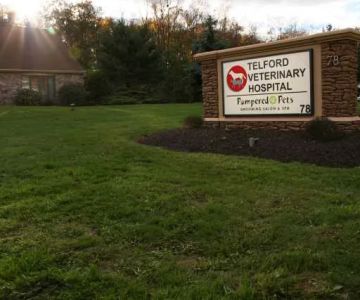
78 Souderton Hatfield Pike, Souderton, PA 18964, USA
See Details2. Salary Range and Factors Influencing Income
The question “how much does a veterinary oncologist make” varies depending on factors like location, experience, practice setting, and demand. On average, salaries range from $100,000 to $200,000 per year, with specialists in metropolitan areas or academic positions often earning higher.
Additional income may come from research grants, teaching, or consultancy roles.
2.1 Variables Affecting Veterinary Oncologist Salaries
Years of experience, board certification, and the prestige of the employing institution influence income significantly.
3. Career Path and Education Requirements
Becoming a veterinary oncologist requires completing veterinary school, followed by a residency in oncology and board certification. This demanding path ensures specialists have deep knowledge and clinical skills.
Continuous education is vital to keep up with evolving cancer treatments and technology.
4. Real-Life Examples and Professional Insights
Dr. Lisa Monroe, a veterinary oncologist in California, shared how her passion for oncology combined with ongoing learning helped her build a rewarding career. She notes that while the salary is competitive, the emotional fulfillment in helping animals and families is priceless.
Such stories inspire upcoming vets to pursue this challenging yet impactful specialty.
4.1 Challenges and Rewards
The field can be emotionally demanding but offers unique opportunities for scientific contribution and compassionate patient care.
5. Maximizing Your Career Potential in Veterinary Oncology
To enhance career growth and income, veterinary oncologists should consider networking, specializing further, publishing research, and engaging with professional organizations.
For resources, courses, and products to support your veterinary oncology journey, explore offerings at our partner site.
Understanding how much a veterinary oncologist makes and the career trajectory helps aspiring specialists plan effectively for a successful future in veterinary medicine.








