
- 1-Average-Hourly-Wage-for-Veterinary-Assistants
- 2-Factors-Influencing-Veterinary-Assistant-Pay
- 3-Real-Life-Examples-of-Vet-Assistant-Earnings
- 4-Career-Growth-and-Earning-Potential
- 5-How-to-Increase-Your-Hourly-Pay-in-Vet-Assistant-Jobs
1. Average Hourly Wage for Veterinary Assistants
One of the most common questions for those entering the field is how much does a veterinary assistant make per hour. On average, veterinary assistants earn between $12 to $18 per hour in the United States, depending on location and experience. Entry-level positions often start near the lower end of this range, while seasoned assistants in metropolitan areas or specialized clinics can command higher wages.
This hourly wage reflects the important role veterinary assistants play in supporting veterinarians, caring for animals, and maintaining smooth clinic operations.
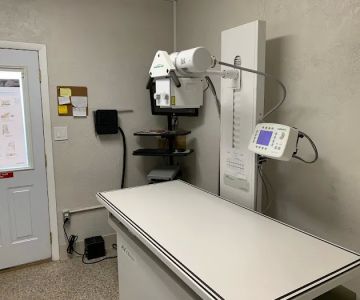
2. Factors Influencing Veterinary Assistant Pay
Several key factors impact how much a veterinary assistant makes per hour. Geographic location is critical—assistants working in urban centers or regions with a higher cost of living typically earn more. The size and type of the veterinary practice also matter; specialized clinics and emergency hospitals often offer higher pay than small general practices.
Experience and certifications can boost hourly wages as well. Veterinary assistants who pursue additional training or certifications, such as becoming a Certified Veterinary Assistant (CVA), may see a positive impact on their pay.

5151 S 108th St, Hales Corners, WI 53130, USA
See Details2.1 Work Schedule and Overtime
Assistants who take on overtime shifts or weekend work sometimes receive premium pay, increasing their overall earnings. Flexibility in scheduling can thus be a valuable asset in maximizing income.
3. Real-Life Examples of Vet Assistant Earnings
Consider Lisa, a veterinary assistant in a busy urban animal hospital, who started at $14 per hour. Over three years, through additional certification and taking on responsibilities like anesthesia monitoring, she increased her hourly rate to $19. Her story highlights how skill development directly influences pay.
Another example is Tom, working in a rural clinic where the hourly wage averages $12. Despite the lower rate, Tom values the close-knit community and gains extensive hands-on experience that positions him well for future advancement.
4. Career Growth and Earning Potential
Veterinary assisting can serve as a stepping stone to more advanced roles like veterinary technician or practice manager, which offer higher pay and expanded responsibilities. Investing in education and gaining experience open doors to these opportunities, enhancing lifetime earning potential.
Understanding your current hourly wage within the context of career goals helps set realistic expectations and motivates continued professional growth.
5. How to Increase Your Hourly Pay in Vet Assistant Jobs
Increasing your hourly wage as a veterinary assistant involves strategic steps. Pursuing certifications, gaining specialized skills (such as radiology or lab work), and demonstrating reliability can lead to raises or promotions. Networking within veterinary circles and using platforms like Senix Table to find clinics that value advanced skills can also boost your earning potential.
If you’re curious about how much does a veterinary assistant make per hour and want to enhance your career prospects, consider exploring training programs and job listings that emphasize competitive wages and growth. With dedication and the right resources, advancing your veterinary career while increasing your income is within reach.








