
How Long Is School for Veterinary? A Comprehensive Look at Becoming a Veterinarian
- 1-veterinary-school-duration-overview
- 2-educational-steps-before-veterinary-school
- 3-typical-veterinary-school-program-length
- 4-postgraduate-training-and-specialization
- 5-real-world-experience-from-veterinary-students
- 6-balancing-time-and-investment-in-veterinary-education
- 7-preparing-for-a-successful-veterinary-career
Understanding the Veterinary School Duration Overview
When considering a career in veterinary medicine, a common question is: how long is school for veterinary? The answer involves multiple stages of education and training, typically spanning over a decade. This timeline includes undergraduate education, veterinary school itself, and any further specialization or internships.
Most veterinary programs in the United States require a bachelor’s degree followed by a four-year Doctor of Veterinary Medicine (DVM) program. Thus, the core veterinary education takes around 8 years from the start of college to graduation from vet school.
However, this timeline can extend with postgraduate internships, residencies, or board certification in specialty areas, adding several more years depending on individual career goals.
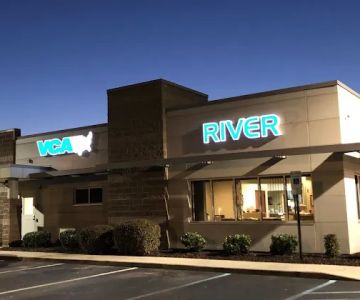
2132 Amnicola Hwy, Chattanooga, TN 37406, USA
See DetailsEducational Steps Before Veterinary School
Before entering veterinary school, students usually complete a 4-year undergraduate degree with a strong focus on biological sciences, chemistry, and animal-related courses. This foundation is critical for success in the demanding veterinary curriculum.
During undergraduate years, gaining relevant experience through internships, volunteering at animal clinics, or research helps build a competitive veterinary school application. Some students accelerate their path by enrolling in combined or pre-vet programs designed to streamline admission.
Typical Veterinary School Program Length
The core veterinary school itself generally lasts four years. This intensive program blends classroom learning, laboratory work, and clinical rotations. The curriculum covers anatomy, physiology, pharmacology, pathology, and hands-on care for various animal species.
Students spend the last year primarily in clinical settings, applying their knowledge to real-world cases under supervision. The demanding nature of veterinary school means students often experience rigorous schedules but gain invaluable practical skills.
Postgraduate Training and Specialization
After earning a DVM degree, some veterinarians pursue internships or residencies to specialize in fields like surgery, dermatology, or internal medicine. These programs typically last 1-4 years and involve advanced clinical training.
Board certification in a specialty enhances career opportunities and often requires passing rigorous exams. The choice to specialize extends the total time invested but can lead to highly rewarding career paths.
Real-World Experience from Veterinary Students
Jessica, a recent graduate from a top veterinary school, shares her journey: “I spent four years in undergrad focused on animal science, followed by four years of veterinary school. The clinical rotations were intense but prepared me well for practice. I chose a one-year internship to specialize in emergency care, which has been amazing for my confidence and skills.”
Stories like Jessica’s highlight how the timeline to becoming a veterinarian includes both structured education and practical experience, each critical to success.
Balancing Time and Investment in Veterinary Education
While veterinary education requires a significant time commitment, it is also an investment in a meaningful and impactful career. Students must balance coursework, hands-on learning, and often financial considerations related to tuition and living expenses.
Many programs offer scholarships, loan forgiveness, and flexible scheduling options to help manage these challenges. Understanding how long is school for veterinary helps prospective students plan realistically and stay motivated.
Preparing for a Successful Veterinary Career
Knowing how long school for veterinary is helps set expectations but also emphasizes the importance of dedication and passion. For those ready to embark on this journey, investing in high-quality resources, mentorship, and hands-on experience is essential.
If you are inspired to start or advance your veterinary education, consider exploring products and services at Scent Snob, where you can find carefully curated tools and support designed to enhance your study environment and focus. Investing in yourself today paves the way for a fulfilling veterinary career tomorrow.








