
How Long Does It Take to Become a Veterinary Dentist? Timeline, Training & Tips
- what-does-a-veterinary-dentist-do - What Does a Veterinary Dentist Do and Why It Matters
- academic-pathway-to-veterinary-dentistry - The Academic Pathway to Veterinary Dentistry
- clinical-training-specialization - Clinical Training and Specialization in Veterinary Dentistry
- certification-board-exams - Certification and Board Exams: The Final Frontier
- timeline-how-long-does-it-really-take - Timeline Breakdown: How Long Does It Really Take?
- real-story-of-a-vet-dental-specialist - Real Story: The Journey of a Veterinary Dental Specialist
- is-it-worth-it-career-outlook - Is It Worth It? Career Outlook and Professional Fulfillment
- start-your-journey-today - Start Your Journey to Veterinary Dentistry Today
What Does a Veterinary Dentist Do and Why It Matters
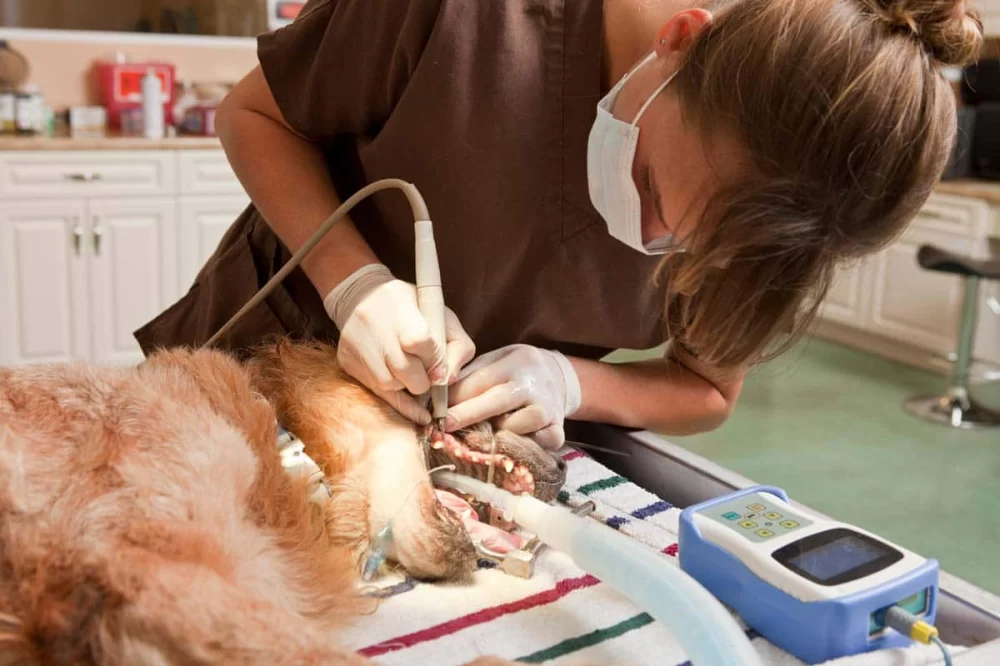
A veterinary dentist is a highly trained professional specializing in oral health care for animals—ranging from basic teeth cleaning to complex jaw surgeries. These specialists don't just treat dental disease; they prevent it and often uncover systemic health issues through oral exams. Their work dramatically improves the quality of life for pets.
In fact, studies show that untreated dental disease in animals can lead to heart, liver, or kidney issues. That’s why veterinary dentistry is becoming one of the most respected subspecialties in veterinary medicine.
The Academic Pathway to Veterinary Dentistry
1. Undergraduate Degree (4 Years)
The journey begins with a Bachelor’s degree—usually in biology, animal science, or a related field. During this phase, future vet dentists need strong grades and clinical exposure to prepare for veterinary school applications.

2. Veterinary School (4 Years)
Getting into a Doctor of Veterinary Medicine (DVM) program is competitive. Once admitted, students undergo rigorous training in animal anatomy, pathology, pharmacology, and general clinical practice. While there isn’t much dental work in early vet school, interest groups and externships help bridge the gap.
Clinical Training and Specialization in Veterinary Dentistry
1. Internship (1 Year)
Post-DVM, most future specialists complete a 12-month rotating internship covering surgery, internal medicine, and emergency care. This sets the groundwork for their specialty training.

2. Residency (3–4 Years)
Next is a residency in veterinary dentistry, typically 3 to 4 years, accredited by the American Veterinary Dental College (AVDC). Residents receive hands-on training in advanced dental procedures under board-certified mentors and complete rigorous case reports, publication requirements, and logged procedures.
Certification and Board Exams: The Final Frontier
Becoming board-certified requires passing the AVDC’s credentialing and examination process. This includes a detailed application, peer-reviewed cases, a written exam, and a practical examination. Many candidates prepare for over a year before even attempting the board certification tests.
According to the AVDC, the overall pass rate has improved thanks to better mentoring programs and online prep resources. But make no mistake—this is one of the most demanding paths in veterinary medicine.
Timeline Breakdown: How Long Does It Really Take?
Wondering exactly how long it takes to become a veterinary dentist? Here's a step-by-step breakdown:
- Bachelor’s degree – 4 years
- Veterinary school (DVM) – 4 years
- Internship – 1 year
- Residency – 3 to 4 years
Total: 12 to 13 years, depending on the residency path and any gap years taken.
Real Story: The Journey of a Veterinary Dental Specialist
Dr. Emily Rowen, now a certified veterinary dentist in Boston, shared her story at a recent AVDC panel. After struggling through organic chemistry and nearly switching majors, she shadowed a dental vet during her third year of vet school. The precision, the impact on animal welfare—it lit a spark.
“I spent three years post-grad living paycheck to paycheck while doing my residency,” she said. “But seeing a bulldog eat without pain for the first time in months? Worth every sacrifice.” Her story reflects the grit and heart behind the question, how long does it take to become a veterinary dentist.
Is It Worth It? Career Outlook and Professional Fulfillment
Veterinary dentistry is not only emotionally fulfilling but also financially rewarding. Specialists often command higher salaries than general practitioners and enjoy referral-based practices with loyal client bases. With fewer than 250 board-certified veterinary dentists in the U.S., the field is competitive but in demand.
Additionally, advancements in pet dental care and increasing owner awareness are expanding the market. Clinics are investing in high-end imaging equipment and specialized tools, making this the perfect time to enter the field.
Start Your Journey to Veterinary Dentistry Today
Now that you know how long it takes to become a veterinary dentist, the real question is: Are you ready? If the answer is yes, begin by talking to your local vet, seeking out mentors, or applying to vet schools with strong dentistry programs. It’s a long road—but every year invested shapes you into a healer of smiles, both furry and fierce.
Whether you're a student dreaming big or a professional considering a specialty, the path to becoming a veterinary dentist is a commitment to excellence and compassion. And it all starts with that first step.








