
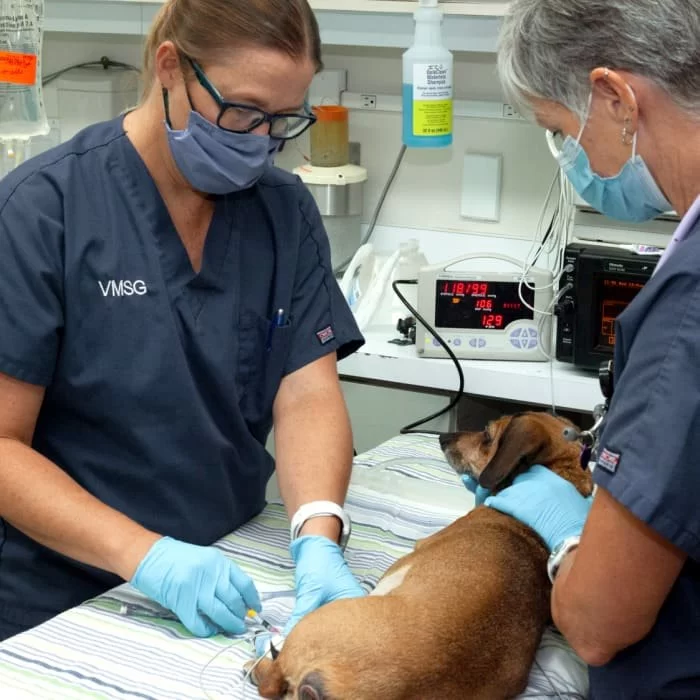
How Long Does It Take to Be a Veterinary Surgeon?
- 01 - undergraduate-years-laying-the-foundation
- 02 - veterinary-school-four-years-of-clinical-and-science-education
- 03 - internship-and-specialization-additional-commitments
- 04 - residency-and-board-certification-the-final-hurdle
- 05 - real-stories-from-practicing-veterinary-surgeons
- 06 - worth-the-journey-balancing-passion-and-years-of-work
1. Undergraduate Years: Laying the Foundation
For those wondering how long does it take to be a veterinary surgeon, the journey begins with four years of undergraduate education. During this phase, most students major in biology, animal science, or a related pre-veterinary track. Courses in chemistry, physics, and animal physiology help build the foundation necessary for veterinary school.
Admissions to veterinary programs are competitive, so aspiring vet surgeons are encouraged to engage in volunteer work at animal shelters, shadow practicing veterinarians, and maintain a strong academic record.

2. Veterinary School: Four Years of Clinical and Science Education
After completing undergraduate education, candidates enter veterinary school—a four-year commitment that includes two years of classroom-based instruction and two years of clinical experience. Here, students study anatomy, pharmacology, surgery, pathology, and diagnostic imaging—skills crucial for anyone aiming to become a veterinary surgeon.
By the end of veterinary school, students will have participated in rotations across various disciplines, including internal medicine, surgery, and emergency care. This phase brings future surgeons closer to the operating table, sharpening both technical and decision-making skills.

3. Internship and Specialization: Additional Commitments
After veterinary school, those pursuing surgery must complete a 1-year internship in a clinical setting. This intensive hands-on experience is where graduates begin to refine their surgical skills under supervision. The internship is crucial for acceptance into a surgical residency program.
Interns are exposed to a wide variety of cases, from orthopedic repairs to emergency abdominal surgeries, preparing them for the complexities of advanced veterinary medicine. It’s also a phase where many future surgeons decide whether they want to specialize further—such as in soft tissue, neurological, or orthopedic surgery.
4. Residency and Board Certification: The Final Hurdle
To become a board-certified veterinary surgeon, candidates must complete a 3-year residency accredited by the American College of Veterinary Surgeons (ACVS). During residency, they handle increasingly complex cases and participate in surgical research and teaching. This stage is grueling but essential for anyone serious about a career in surgery.
After residency, veterinarians must pass a comprehensive board certification exam. Only after passing this exam can one officially call themselves a veterinary surgeon. So if you’re still asking how long does it take to be a veterinary surgeon—the answer is generally 12 years: 4 undergrad + 4 vet school + 1 internship + 3 residency.
5. Real Stories from Practicing Veterinary Surgeons
Dr. Alyssa Moore, a board-certified vet surgeon in New York, shares: “My path took 11 years, and every year shaped my skill set. I performed my first solo TPLO (tibial-plateau-leveling osteotomy) surgery during residency—it was a pivotal moment.” Dr. Marcus Renner from California echoes this: “There were moments I questioned everything during my residency, but today, seeing pets recover from life-changing procedures makes it all worthwhile.”
Such stories highlight the emotional and educational layers behind the long path. It’s not just about how many years—but what each year brings in terms of growth, resilience, and reward.
6. Worth the Journey: Balancing Passion and Years of Work
So, is it worth the 11–13 years of rigorous education and training? For those passionate about animal surgery and making a lasting impact, the answer is yes. The field offers high earning potential, specialization flexibility, and the profound satisfaction of saving lives.
If you are drawn to the operating table, fascinated by anatomy, and ready to commit to years of focused learning, the veterinary surgical path may be your calling. For tools, study guides, and program matching, visit VetTrack Pro—a trusted resource hub for aspiring veterinary surgeons.








