
1. Introduction: How Long Does It Take to Be a Veterinary Nurse?
If you're passionate about animals and interested in healthcare, becoming a veterinary nurse is a fulfilling career choice. But how long does it take to become a veterinary nurse? The path to becoming a veterinary nurse can vary depending on your location, education choices, and career goals. In this guide, we’ll explore the timeline, the training process, and what you can expect when pursuing a career in veterinary nursing.
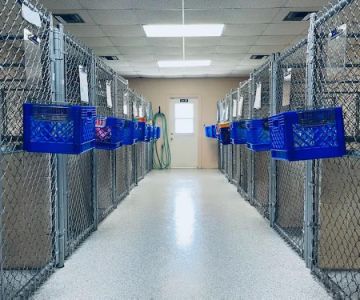
2. Understanding the Role of a Veterinary Nurse
Veterinary nurses, also known as veterinary technicians in some regions, play a crucial role in the healthcare of animals. They assist veterinarians with medical procedures, take care of animals before and after surgeries, provide preventive care, and manage administrative tasks in veterinary clinics. Becoming a veterinary nurse involves a combination of formal education, hands-on training, and sometimes certification. To understand the time commitment, it’s important to first grasp the responsibilities of the role and the qualifications needed.

3. How Long Does It Take to Become a Veterinary Nurse?
The timeline to become a veterinary nurse depends on several factors, including the type of program you choose and the country or region where you plan to work. Typically, here are the general paths:
3.1. Associate Degree in Veterinary Nursing
In many countries, the most common route to becoming a veterinary nurse is to complete a two-year associate degree in veterinary nursing or veterinary technology. During this time, you will take courses in subjects like animal anatomy, pharmacology, microbiology, and animal care. You’ll also gain practical experience through clinical rotations and internships. After earning your degree, you may be eligible to take exams to become certified or licensed in your region.
3.2. Bachelor’s Degree in Veterinary Nursing
If you wish to pursue a higher level of education, some universities offer a four-year bachelor’s degree in veterinary nursing. This program will dive deeper into veterinary sciences and clinical skills, and it may open doors for more advanced roles, such as supervisory or managerial positions in veterinary practices. The additional two years of study allow for a more comprehensive understanding of animal health and medical procedures, giving you an edge in a competitive field.
3.3. Certification and Licensing
After completing your degree, you may need to obtain certification or licensing, depending on where you plan to work. In the United States, for example, veterinary nurses often become certified veterinary technicians (CVTs) by passing the Veterinary Technician National Exam (VTNE). This process can take additional time, typically several months, to study for and pass the exam.
4. Factors That Can Impact Your Timeline
While the general path to becoming a veterinary nurse can be straightforward, there are factors that may influence how long it takes you to enter the profession:
- Location: Some countries or regions may require different levels of education or certification, which can affect your timeline. Be sure to research the specific requirements for veterinary nursing in your area.
- Full-Time vs. Part-Time Study: If you choose to study part-time while working or caring for other responsibilities, it may take longer to complete your education. On the other hand, full-time students may graduate faster.
- Work Experience: Some students choose to gain work experience in a veterinary clinic before or during their studies. This hands-on experience can sometimes shorten the learning curve, but it may extend the time it takes to complete your formal education.
5. Success Story: From Student to Certified Veterinary Nurse
Let’s take the example of Sarah, a veterinary nurse who shared her journey with us. Sarah decided to become a veterinary nurse after volunteering at an animal shelter during her high school years. She enrolled in a two-year associate degree program, where she learned about animal care and medicine while gaining hands-on experience in local clinics. After graduation, Sarah passed the certification exam and started working as a veterinary nurse at a busy practice. It took Sarah about two and a half years to transition from a passionate volunteer to a certified veterinary nurse.
6. Advancing Your Career as a Veterinary Nurse
Once you become a veterinary nurse, there are various paths for career advancement. You can choose to specialize in areas like emergency care, dentistry, or anesthesia, which may require additional training and certifications. Additionally, some veterinary nurses decide to become educators or managers within veterinary clinics. Continuing education is crucial in this field, as animal healthcare practices are constantly evolving, and new technologies and treatments emerge.
7. Final Thoughts: Pursuing a Fulfilling Career in Veterinary Nursing
Becoming a veterinary nurse is a rewarding career that requires dedication, education, and a genuine love for animals. The timeline to become a veterinary nurse typically ranges from two to four years, depending on the program and your career goals. Whether you choose a two-year associate degree or a four-year bachelor’s degree, the path will equip you with the knowledge and skills to make a difference in the lives of animals and their owners. If you’re ready to begin your journey toward becoming a veterinary nurse, consider starting with a program that suits your lifestyle and professional goals. For more information on veterinary nursing programs and career opportunities, check out Your Private Space for resources and recommendations.








