
- 1-Understanding-the-Veterinarian-Role
- 2-Educational-Pathway-to-Becoming-a-Veterinarian
- 3-Gaining-Experience-through-Internships-and-Volunteering
- 4-Veterinary-School-Admissions-and-Preparation
- 5-Clinical-Education-and-Licensing-Requirements
- 6-Career-Opportunities-and-Specializations
- 7-Personal-Story-and-Advice-for-Aspiring-Vets
- 8-Next-Steps-for-Pursuing-Veterinary-Career
1. Understanding the Veterinarian Role
Before diving into how I become a veterinarian, it’s important to understand what veterinarians do. Veterinarians are medical professionals dedicated to diagnosing, treating, and preventing diseases in animals. They care for pets, livestock, and wildlife, ensuring animal health and welfare. Beyond medical treatment, veterinarians also contribute to public health by controlling zoonotic diseases and ensuring food safety.
This role requires a blend of medical knowledge, compassion, and problem-solving skills. For many, becoming a veterinarian is a lifelong dream fueled by a passion for animals and science.

2. Educational Pathway to Becoming a Veterinarian
The journey of how I become a veterinarian begins with education. First, earning a bachelor’s degree is essential, ideally in a science-related field like biology, animal science, or chemistry. During undergraduate studies, maintaining a strong GPA and taking prerequisite courses required for veterinary school applications is critical.
Many students enhance their applications by gaining experience in animal care and healthcare settings. Courses in anatomy, physiology, and microbiology provide a solid foundation for veterinary medicine studies.
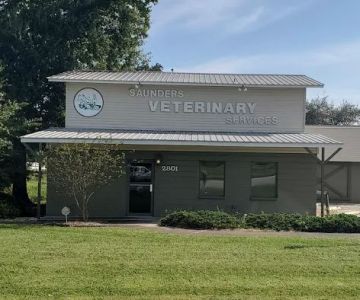
3. Gaining Experience through Internships and Volunteering
Hands-on experience plays a vital role in understanding the realities of veterinary work. Volunteering at animal shelters, clinics, or farms allows aspiring vets to build practical skills and demonstrate commitment. These experiences often solidify a person’s passion for the field and make veterinary school applications more competitive.
For example, I spent several summers volunteering at a local animal hospital, learning how to assist veterinarians and care for animals. This firsthand exposure not only deepened my knowledge but also helped me develop empathy and communication skills crucial for veterinary practice.
4. Veterinary School Admissions and Preparation
Admission to veterinary school is highly competitive. Most schools require the Graduate Record Examination (GRE) or similar tests alongside transcripts, letters of recommendation, and personal statements. Preparing for these elements takes time and dedication.
Veterinary schools emphasize both academic excellence and relevant experience. To stand out, applicants should highlight their unique experiences and motivations. During my application process, I focused on demonstrating my long-term commitment to veterinary medicine and my diverse clinical experiences.
5. Clinical Education and Licensing Requirements
Veterinary school itself typically takes four years, combining classroom learning with clinical rotations. Students study animal anatomy, pharmacology, surgery, and diagnostics, while gaining real-world experience through internships.
After graduation, passing the North American Veterinary Licensing Examination (NAVLE) is mandatory to practice. Some veterinarians pursue state-specific licenses or certifications for specialties, which require additional training.
6. Career Opportunities and Specializations
Once licensed, veterinarians can choose diverse career paths. Many work in private clinics or hospitals, while others join research institutions, government agencies, or wildlife conservation programs.
Specializations like surgery, dermatology, or exotic animal care require further certification but offer rewarding expertise areas. Personally, I found a passion for small animal surgery, which combines technical skill with compassionate care.
7. Personal Story and Advice for Aspiring Vets
Reflecting on how I become a veterinarian, persistence and passion were my greatest assets. Balancing rigorous academics with hands-on experience challenged me but also affirmed my choice. One memorable case involved helping a dog recover from a complex surgery, which was a powerful reminder of the difference veterinarians make.
My advice to anyone asking “how i become a veterinarian” is to seek diverse experiences, stay curious, and never lose sight of your passion for animal health. Networking with professionals and joining veterinary organizations can also provide invaluable support.
8. Next Steps for Pursuing Veterinary Career
If you’re inspired by how I become a veterinarian, consider exploring accredited veterinary programs, volunteer opportunities, and preparatory courses. Investing in quality textbooks, study aids, and veterinary tools can also prepare you better for school and practice.
For those ready to take the next step, trusted educational resources and supplies are available to support your journey. Committing to continuous learning and gaining practical skills will set you on a rewarding path toward becoming a skilled veterinarian.








