
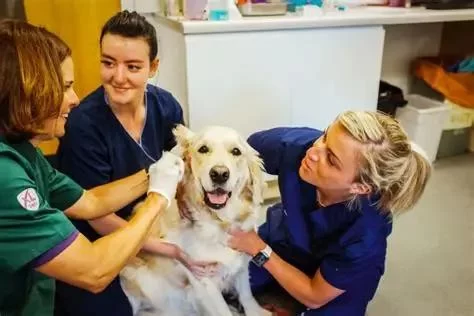
How Veterinary Medicine Has Evolved: From Barnyards to High-Tech Clinics
- early-days-of-animal-care-a-look-into-the-past
- diagnostics-and-digital-revolution-in-veterinary-practice
- changing-approach-to-prevention-and-wellness
- modern-surgeries-and-pain-management-evolution
- real-life-impact-how-innovation-saved-bella-the-lab
- what-these-changes-mean-for-you-and-your-pet
1. Early Days of Animal Care: A Look into the Past
To understand how veterinary medicine has changed over the years, we must look back at a time when treatment often meant guesswork, herbal remedies, and a tough love approach. In the early 1900s, most veterinarians were large-animal specialists, treating livestock in barns and fields. There were no X-rays, no blood tests, and very little standardization.
Fast forward to today, and it's hard to believe how far we’ve come. Treatments now are backed by science, and our understanding of animal anatomy, psychology, and physiology has exploded. The leap from farm calls on horseback to robotic surgery rooms is nothing short of astounding.

2. Diagnostics and the Digital Revolution in Veterinary Practice
2.1 From Thermometers to 3D Imaging
In decades past, a sick animal might have been diagnosed purely by touch and observation. Today’s vets use advanced diagnostics like ultrasound, MRI, and digital radiography to see inside the body in seconds. Cloud-based medical records allow for fast collaboration between clinics across states—or even countries.

2.2 AI and Telemedicine
Artificial intelligence now assists in diagnosing skin conditions, reviewing scans, and even predicting disease risks. During the COVID-19 pandemic, telemedicine became essential. Pet owners today can connect with a licensed vet from their living room—something unimaginable just 10 years ago.
3. Changing Approach to Prevention and Wellness
3.1 Focus Shifting from Treatment to Prevention
Another major evolution in veterinary care is the shift toward proactive rather than reactive treatment. Preventive dental cleanings, genetic screenings, weight management plans—all are now part of routine wellness exams. Pet insurance is also gaining popularity, allowing families to invest in more consistent preventative care.
3.2 Holistic Medicine Joins the Conversation
More pet parents are exploring acupuncture, chiropractic care, and herbal supplements under licensed veterinary supervision. The blending of Eastern and Western approaches is making modern veterinary care more personalized than ever before.
4. Modern Surgeries and Pain Management Evolution
4.1 Minimally Invasive Techniques
Laparoscopic and arthroscopic surgeries have made recovery times faster and outcomes better. Compared to the larger incisions and longer recovery periods of past decades, today’s surgical techniques are safer and more efficient.
4.2 Smarter Pain Control
Modern pain management protocols, including multimodal pain therapy and localized nerve blocks, offer pets real relief during recovery. Veterinary anesthesia is now as precise and monitored as human surgeries, reducing risks significantly.
5. Real-Life Impact: How Innovation Saved Bella the Lab
Take the case of Bella, a 6-year-old Labrador Retriever from Denver. After collapsing during a hike, she was rushed to an emergency clinic. Thanks to portable ultrasound and in-house blood testing, she was diagnosed with a ruptured spleen within 20 minutes. Immediate surgery, performed using minimally invasive methods, saved her life.
Her owners shared their gratitude online, noting how they didn’t even realize such advanced tools existed in vet medicine. Bella was home within two days—sore but safe. Cases like this illustrate why understanding how veterinary medicine has changed over the years isn't just fascinating—it could one day save your pet’s life.
6. What These Changes Mean for You and Your Pet
6.1 More Options, Better Outcomes
From nutrition to diagnostics, from at-home monitoring to surgical care, your pet has access to better health services than ever before. Whether you’re managing chronic arthritis or catching early signs of cancer, modern veterinary care offers precision and compassion.
6.2 Choosing the Right Products and Providers
With so many innovations available, it’s important to partner with providers who understand the value of these advancements. When exploring products for your pet’s health—from smart collars to vet-approved supplements—choose brands that stay informed and responsive to current veterinary science.
We invite you to explore top-rated tools and solutions trusted by modern veterinary professionals. Whether it’s wellness tracking, advanced mobility support, or targeted nutrition, your pet deserves the best. Don’t wait—discover what’s new and effective today. Because now you know how veterinary medicine has changed over the years—and it’s never been more exciting to be a pet parent.








