
How Do You Become a Veterinary Technician in the U.S.?
- step1-earn-diploma-volunteer
- step2-complete-accredited-vet-tech-program
- step3-master-hands-on-skills
- step4-pass-vtne-and-get-credentialed
- step5-career-paths-and-advancement
- real-stories-and-your-next-step
1. Step 1: Earn Your High School Diploma or GED & Gain Experience
Your journey to become a veterinary technician begins with a high school diploma or GED, focusing on biology, chemistry, and anatomy. Volunteering at animal shelters or vet clinics gives you real exposure and a stellar recommendation. Many successful vet techs started as volunteers, discovering their passion before enrolling in formal education. :contentReference[oaicite:4]{index=4}

2. Step 2: Complete an AVMA‑Accredited Veterinary Technician Program
Most veterinary technician roles require a 2-year associate degree from an AVMA-accredited program. Some pursue a 4-year bachelor’s to become veterinary technologists, opening doors to advanced roles. Accredited programs ensure eligibility to sit for the national credentialing exam (VTNE). :contentReference[oaicite:5]{index=5}
Schools like Penn Foster also offer online AVMA‑approved vet tech programs combining coursework and externships, ideal if you need flexibility. :contentReference[oaicite:6]{index=6}

3. Step 3: Master Hands‑on Clinical Skills During Externships
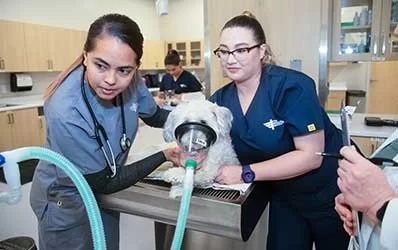
Education isn’t just textbooks—externships are vital. You’ll learn animal restraint, drawing blood, placing catheters, administering anesthesia, supporting surgeries and more. Real Clinic exposure builds confidence and real-world competence. :contentReference[oaicite:7]{index=7}
4. Step 4: Pass the VTNE Exam and Get Credentialed
After graduating, you must pass the Veterinary Technician National Exam (VTNE). Once successful, you apply for state credentialing—becoming a Certified (CVT), Registered (RVT), or Licensed Veterinary Technician (LVT)—depending on protocols in your state. Most credentials require renewal every two years. :contentReference[oaicite:8]{index=8}
5. Step 5: Explore Career Paths and Advancement Options
Once credentialed, your options expand. Traditional roles are in veterinary clinics and hospitals, but many vet techs also work in zoos, research labs, non-profits, government agencies, or even teaching. :contentReference[oaicite:9]{index=9}
If you’re passionate about growth, NABTA offers VTS® certification in specialties like dentistry, emergency & critical care, anesthesia, and zoological medicine. Once certified, you can command higher pay and leadership roles. :contentReference[oaicite:10]{index=10}
6. Real Stories and Your Next Step to Becoming a Veterinary Technician
Consider the case of Emily, who completed an online accredited vet tech course while working full-time. After passing the VTNE, she secured a full-time position at a veterinary hospital. Her story proves that persistence and smart choices can make a dream real—even with a busy life. :contentReference[oaicite:11]{index=11}
Expert vet techs recommend resources like resume clinics, practice exams, and mentorship programs. For supplies, continuing education, or specialty certification materials, check out trusted vendors aligned with industry standards.
If you're asking “how do you become a veterinary technician” and ready to turn your love for animals into a career, now is the time. Start by comparing accredited programs, set your study schedule, and plan your VTNE preparation. Step into a respected and in-demand profession—you’ll be rewarded with purpose, skills, and a steady career in animal care.








