
- 1-Understanding-the-Role-of-a-Veterinary-Technician
- 2-Education-and-Training-Requirements
- 3-Certification-and-Licensing-Process
- 4-Essential-Skills-for-Veterinary-Technicians
- 5-Real-World-Veterinary-Technician-Experience
- 6-Taking-the-Next-Step-in-Your-Veterinary-Tech-Career
1. Understanding the Role of a Veterinary Technician
When asking "how do I become a veterinary technician," it’s important to first understand what the role entails. Veterinary technicians support veterinarians by performing clinical tasks such as assisting in surgeries, conducting lab tests, administering medications, and providing care to animals. This role requires a blend of technical knowledge and compassion for animal welfare.
2. Education and Training Requirements
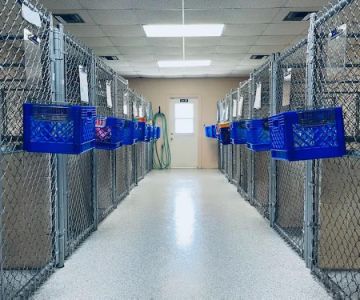
The typical pathway to becoming a veterinary technician involves earning an associate degree in veterinary technology from an accredited program. These programs combine classroom instruction in animal anatomy, pharmacology, and clinical practices with hands-on experience in labs or animal clinics.
Choosing a reputable school ensures you receive the comprehensive training necessary to succeed in this demanding field.

3. Certification and Licensing Process
After completing education, aspiring veterinary technicians must pass the Veterinary Technician National Exam (VTNE) to become certified. Many states also require a license to practice legally. Certification demonstrates your professional competence and commitment to ethical veterinary care.
4. Essential Skills for Veterinary Technicians
Besides technical skills, becoming a successful vet tech demands strong communication abilities, attention to detail, and emotional resilience. Working closely with animals and their owners requires patience and empathy, especially in stressful situations.
Developing these soft skills alongside technical knowledge will enhance your career prospects and job satisfaction.
5. Real-World Veterinary Technician Experience
Take inspiration from Sarah, a certified veterinary technician, who shares that hands-on experience during internships shaped her confidence and expertise. Her journey highlights how practical learning environments are vital to mastering the role and building lasting client relationships.
6. Taking the Next Step in Your Veterinary Tech Career
If you are ready to answer "how do I become a veterinary technician," start by researching accredited programs and certification requirements. Investing in quality education and professional development opens doors to rewarding roles in veterinary hospitals, research, and animal care facilities.
Explore trusted resources and educational tools at Fred Miller Lawyer to support your veterinary technician journey. Empower yourself with the knowledge and connections to launch a fulfilling career dedicated to animal health and wellbeing.








