
How Can You Become a Veterinarian: A Step-by-Step Guide to a Rewarding Career
- 1-understanding-the-veterinarian-role
- 2-educational-requirements-for-becoming-a-veterinarian
- 3-essential-skills-and-experience
- 4-navigating-veterinary-school-and-licensing
- 5-career-path-and-continuing-growth
1. Understanding the Veterinarian Role
Becoming a veterinarian means dedicating your life to the health and welfare of animals. Veterinarians diagnose illnesses, perform surgeries, provide vaccinations, and often educate pet owners on care. This role requires compassion, scientific knowledge, and strong problem-solving skills.
Before pursuing this career, it's important to understand the responsibilities and daily tasks vets face, from small pets to large livestock.
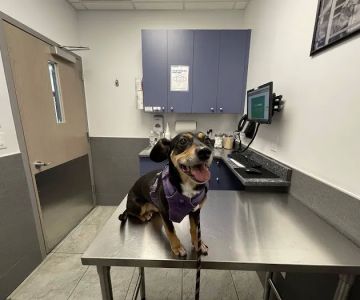
1.1 Why Choose Veterinary Medicine?
Many are drawn to this profession by a deep love for animals and the desire to make a positive impact on their lives. It is also a career that offers diversity, working environments ranging from clinics to research labs, and opportunities to specialize in various fields.

2. Educational Requirements for Becoming a Veterinarian
The path to becoming a veterinarian is academically challenging and requires dedication:
2.1 Undergraduate Studies
Most candidates complete a bachelor's degree with a focus on biology, chemistry, or animal sciences. Coursework in anatomy, physiology, and microbiology builds a solid foundation.
2.2 Veterinary School Admission
Admission to veterinary school is competitive, requiring strong academic records, letters of recommendation, and often experience working with animals.
2.3 Veterinary Degree Program
Veterinary school typically lasts four years, combining classroom instruction with hands-on clinical training in animal care and medical procedures.
3. Essential Skills and Experience
Beyond education, gaining practical experience and honing skills is critical:
3.1 Internships and Volunteering
Hands-on work at clinics, farms, or shelters helps build confidence and familiarity with veterinary environments.
3.2 Communication and Empathy
Vets must explain complex medical information clearly and compassionately to pet owners.
3.3 Problem-Solving and Adaptability
Each case is unique, requiring vets to think critically and adjust treatments as needed.
4. Navigating Veterinary School and Licensing
After completing veterinary school, graduates must pass licensing exams to practice legally. This process ensures they meet professional standards in knowledge and ethics.
Continuing education is often required to stay current with medical advances and new techniques.
5. Career Path and Continuing Growth
Veterinarians can choose various career paths including clinical practice, research, public health, or specialized fields such as surgery or dermatology. Many vets pursue further certifications to deepen expertise.
Take, for example, Dr. Emily, who started with a general practice but found her passion in exotic animal care after gaining experience and additional training. Her journey highlights the dynamic and rewarding nature of this career.
If you're inspired and ready to start your journey on how can you become a veterinarian, explore educational resources and professional products designed to support veterinary students and professionals. For quality supplies and expert guidance, visit VetCare Supplies, your trusted partner in veterinary education and practice.








