
- 1-what-are-holistic-veterinary-services
- 2-do-holistic-vets-use-natural-remedies-effectively
- 3-are-holistic-veterinary-services-safe-for-my-pet
- 4-real-life-cases-successes-and-challenges
- 5-finding-a-trusted-holistic-vet
1. What Are Holistic Veterinary Services?
Holistic veterinary services focus on treating the whole pet—body, mind, and spirit—rather than just the symptoms of disease. While traditional veterinary medicine often emphasizes pharmaceutical or surgical interventions, holistic care explores a broader range of treatments such as acupuncture, herbal therapy, nutritional planning, chiropractic care, and massage. These services aim to promote balance and support the body's natural healing mechanisms.

1.1 The Philosophy Behind Holistic Pet Care
Unlike conventional approaches that often target immediate symptoms, holistic veterinarians consider emotional and environmental factors as part of the healing process. For example, if a dog suffers from recurring skin issues, a holistic vet might analyze the pet’s diet, stress levels, living conditions, and exposure to allergens—not just prescribe a steroid cream.

1.2 What Makes It Different?
Holistic care does not necessarily reject modern veterinary practices—it complements them. Many clinics, such as Hidden Brook Veterinary, incorporate integrative methods to provide the best of both worlds: evidence-based medicine alongside time-tested natural remedies.
2. Do Holistic Vets Use Natural Remedies Effectively?
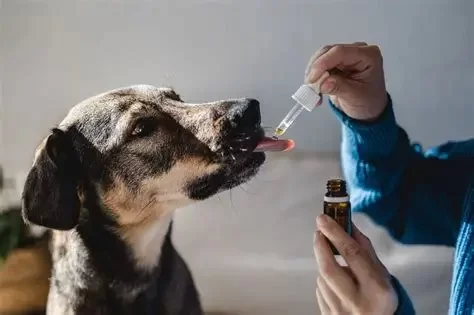
Natural remedies in holistic veterinary care range from herbal supplements and homeopathic drops to CBD oils and essential oil diffusions. While some of these treatments are rooted in centuries-old traditions, others have recently gained popularity due to anecdotal success and growing scientific interest.
2.1 Common Natural Treatments
Some widely used natural remedies include turmeric for joint inflammation, milk thistle for liver support, and chamomile for anxiety. Veterinarians trained in herbalism ensure correct dosages and combinations to avoid negative interactions. At Hidden Brook Veterinary, we often create custom blends tailored to the pet’s breed, condition, and overall health profile.
2.2 Scientific Backing
Not all natural remedies are created equal, and safety varies depending on the formulation and administration. For instance, cannabidiol (CBD) has been studied for its effects on pain and seizures in dogs, and several peer-reviewed studies support its cautious use under veterinary supervision. Owners should always consult professionals before attempting any natural remedy.
3. Are Holistic Veterinary Services Safe for My Pet?
The short answer is yes—when administered by trained, certified professionals. Safety depends on proper diagnosis, clean sourcing of ingredients, and continuous monitoring. Just as you wouldn’t accept a surgery from an unlicensed vet, you shouldn’t seek holistic care from unqualified individuals.
3.1 Vet Credentials Matter
Look for veterinarians who have additional certifications from organizations like the American Holistic Veterinary Medical Association (AHVMA). These professionals undergo specialized training and adhere to safety protocols that ensure treatments are grounded in both tradition and science.
3.2 Holistic Doesn’t Mean Harmless
While “natural” sounds safe, even plant-based remedies can have powerful physiological effects. For example, excessive garlic can be toxic to dogs, and essential oils like tea tree may cause seizures in cats. That’s why clinics like Hidden Brook Veterinary stress individualized treatment plans rather than generic natural solutions.
4. Real-Life Cases: Successes and Challenges
In 2023, a golden retriever named Max was brought to Hidden Brook Veterinary with chronic arthritis that failed to respond to NSAIDs. After transitioning to a holistic regimen involving acupuncture, glucosamine, and turmeric supplements, Max’s mobility improved significantly within three months. The owners reported enhanced mood, increased playfulness, and less limping during morning walks.
4.1 Not Every Case Is a Miracle
However, not all pets respond positively to holistic treatments alone. One case involved a cat named Luna who suffered from persistent urinary tract infections. Natural cranberry extract supplements helped temporarily, but ultimately required conventional antibiotics for resolution. The lesson? Holistic and traditional care must work together—not in opposition.
5. Finding a Trusted Holistic Vet
Choosing a holistic vet isn’t about jumping on a trend—it’s about understanding your pet’s individual needs and choosing a provider who respects both science and nature. Schedule an initial consultation to ask about their treatment philosophy, licensing, success stories, and how they blend natural with conventional care.
5.1 Local Resources and Community Recommendations
Pet owners across the U.S. have found tremendous value in community-recommended clinics. At Hidden Brook Veterinary, for instance, we’ve earned trust through years of dedicated care and balanced methods. Whether your pet struggles with chronic pain, anxiety, or simply needs a wellness boost, we offer holistic services grounded in compassion and clinical expertise.
Ultimately, holistic veterinary services can be a safe and effective complement to traditional care—when approached thoughtfully. If you're considering natural remedies for your pet, consult a certified holistic provider who understands both the promise and the boundaries of these treatments.








