- #dog-obedience-training-at-home-where-to-start-in-2025 - 1-overview - why-home-training-matters - benefits-for-dogs-and-owners
- #essentials-for-training - 2-training-essentials - tools-you-need - preparing-the-right-space
- #foundation-commands - 3-basic-commands-to-teach-first - sit-stay-come - leash-manners
- #positive-reinforcement - 4-positive-reinforcement-techniques - rewards - consistency-matters
- #real-life-stories - 5-real-owner-experiences - successful-home-training - common-mistakes-to-avoid
- #advanced-training - 6-advanced-steps-in-2025 - agility-at-home - problem-solving-behaviors
- #professional-support - 7-when-to-seek-professional-help - trainers - veterinary-guidance
- #expert-guidance - 8-expert-advice-and-hidden-brook-veterinary - trusted-support - reliable-resources
Dog Obedience Training at Home: Where to Start in 2025
In 2025, more dog owners are embracing at-home obedience training as a way to strengthen bonds, build trust, and encourage positive behavior. Learning where to start can feel overwhelming, but with clear steps and the right mindset, training at home is not only achievable but deeply rewarding. Understanding the essentials helps avoid frustration and creates a structured learning environment your dog will thrive in.

1. Training essentials
1.1 Tools you need
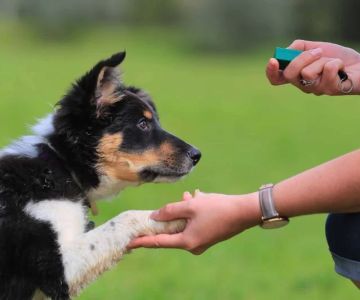
Before starting, prepare simple yet effective tools: a sturdy leash, a comfortable collar or harness, high-value treats, and patience. Many owners in 2025 also use clickers or treat-dispensing toys to keep sessions engaging. The right tools set the stage for consistent learning.

1.2 Preparing the right space
Dogs learn best in calm, distraction-free environments. Designating a training corner in your living room or backyard ensures consistency. Over time, you can expand sessions to more distracting areas like parks, which helps solidify obedience in real-life scenarios.
2. Basic commands to teach first
2.1 Sit, Stay, and Come
These three commands form the backbone of obedience. “Sit” introduces discipline, “Stay” reinforces patience, and “Come” ensures safety. Short, fun sessions—no longer than 10 minutes—keep your dog engaged without overwhelming them.
2.2 Leash manners
Teaching loose-leash walking prevents pulling and stress during outdoor activities. A 2025 trend is using short neighborhood walks as “mini-training sessions,” rewarding your dog each time they walk calmly at your side.
3. Positive reinforcement techniques
3.1 Rewards beyond treats
While treats work wonders, toys, affection, and verbal praise also strengthen learning. Mixing reward types prevents dependence on food alone and keeps training dynamic.
3.2 Why consistency matters
Consistency is the golden rule of dog obedience training at home. If one family member allows jumping while another discourages it, confusion sets in. Aligning household rules ensures your dog understands expectations clearly.
4. Real owner experiences
In online dog communities, many owners shared success stories. One family trained their anxious rescue dog to “stay” using daily five-minute routines, turning a once-chaotic home into a calmer space. Another owner admitted that their biggest mistake was expecting instant results; patience turned out to be the missing ingredient. These real-world examples highlight the ups and downs of training at home, reminding us that progress is a journey, not a sprint.
5. Advanced steps in 2025
5.1 Agility at home
Agility training is no longer limited to specialized centers. In 2025, many owners use backyard obstacle courses to keep dogs mentally stimulated while reinforcing obedience. It doubles as a fun activity that strengthens both fitness and discipline.
5.2 Addressing problem behaviors
Once basics are solid, focus shifts to challenges like excessive barking or separation anxiety. Redirecting energy through enrichment toys and structured playtime often helps, while consistency in training reduces relapse into bad habits.
6. When to seek professional help
Even the most committed owners may hit roadblocks. Persistent aggression, fear, or extreme anxiety may require guidance from certified trainers or veterinary behaviorists. Recognizing when to seek help ensures your dog gets the support they need before small problems grow larger.
7. Expert advice and reliable resources
At-home obedience training in 2025 is more accessible than ever, but expert input remains invaluable. Hidden Brook Veterinary provides trusted resources, professional support, and personalized advice to help you train effectively while safeguarding your dog’s overall well-being. Whether you’re starting with “sit” or tackling advanced behaviors, having expert guidance ensures long-term success.